16 Cardboard Craft Ideas for Classroom Projects

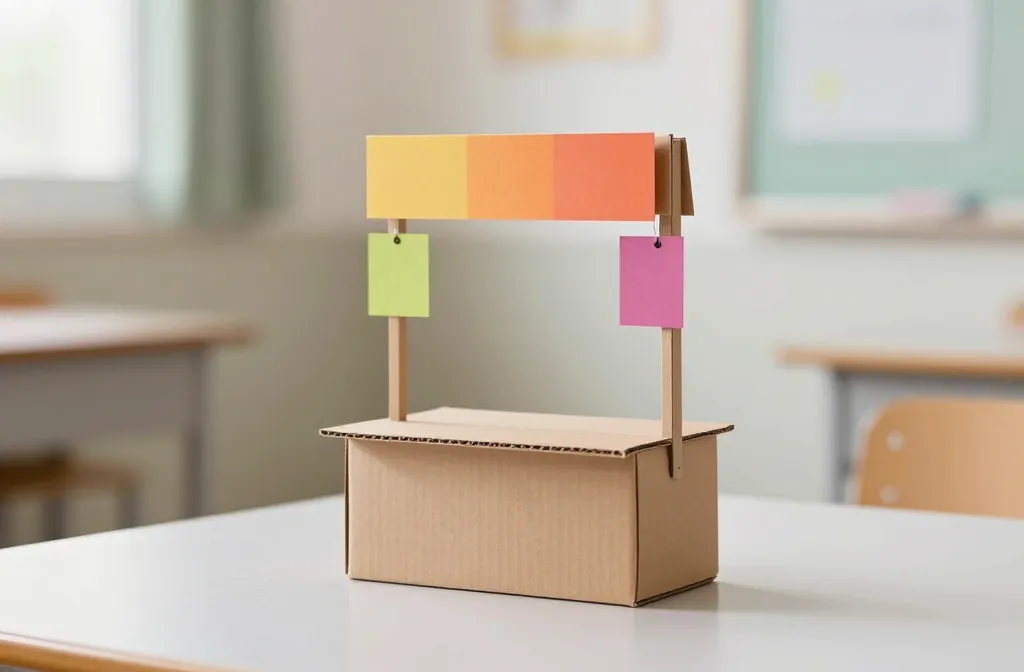
Students love hands on projects, but classrooms can look bare with limited resources. A few clever cardboard ideas address common pain points: budget limits, clutter, and waning interest mid block. This guide gives you 16 concrete, ready to make ideas that keep kids engaged and look good on display. Each idea solves a practical classroom need, from quick setup to easy cleanup, while staying affordable and sturdy. Use these in science fairs, reading corners, or craft centers this week.
All ideas are designed to be copyable today with common supplies and quick assembly. A few twists on color or sizing adapt them to different grades. Ready to try one after lunch? Let’s dive into the ideas you can pull off this week with minimal setup.
1. Reusable Cardboard Market Stall
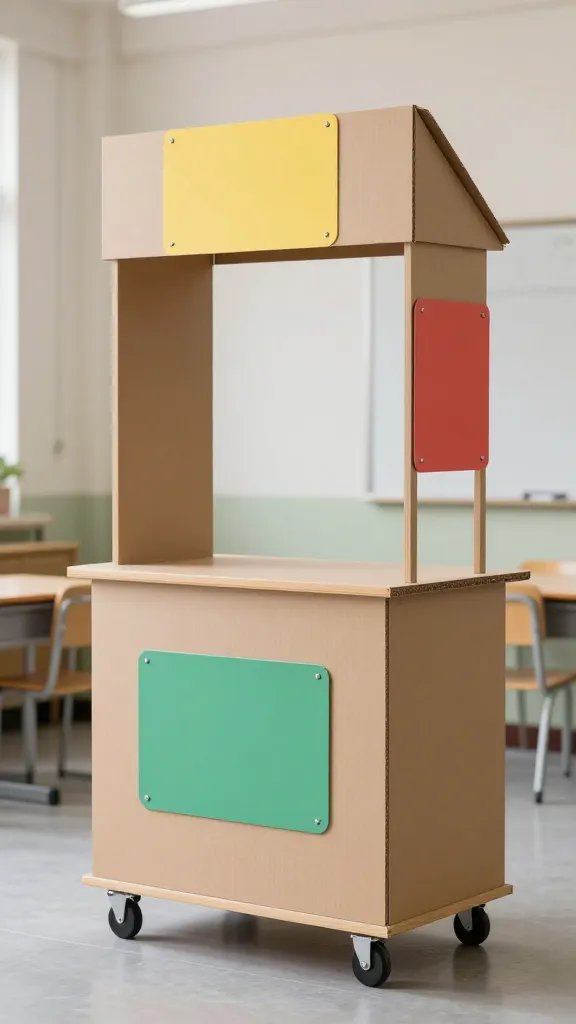
A cardboard market stall teaches math, reading, and social studies in one interactive display. It sits on a cart for easy transport and storage, so you can roll it out for a market day or a character study. The frame stays sturdy with low effort, and it folds flat for quick cleanup. Use colored paper signs to label stations or topics.
Safety note: Use masking tape to secure edges and avoid sharp corners. A quick wipe with a damp cloth keeps it tidy after use.
Copy the look: Paint and print small price tags on clipboards to stage the market scene and spark discussion.
2. Stackable Shape Racks
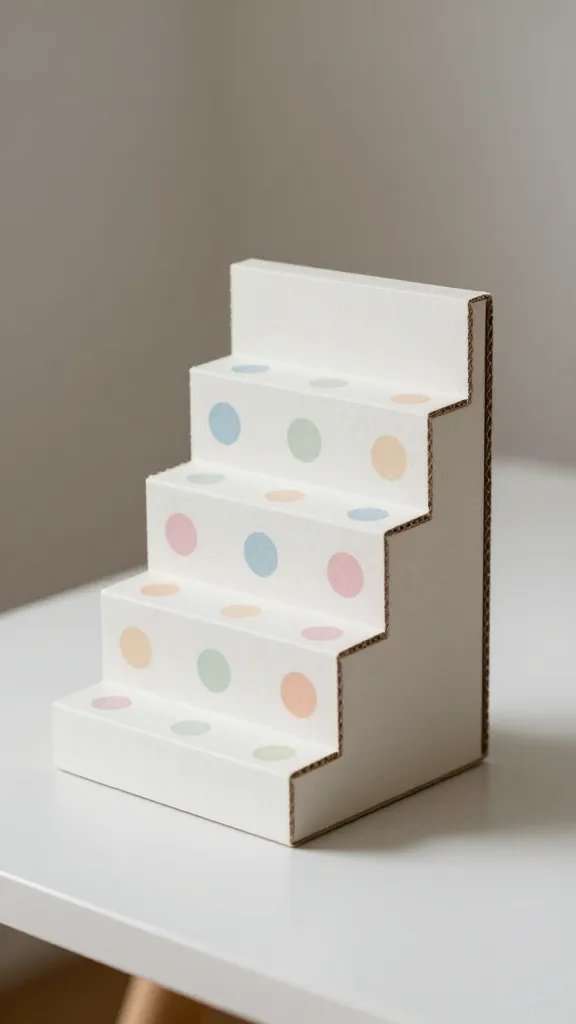
Turn a few scraps of cardboard into tiered racks to sort math manipulatives or word cards. Cut shallow steps to create levels. Stack two or three pieces for a sturdy display that fits on a student desk. Label each level with a color dot for easy sorting, and leave room to slide in small cards or tiles. This keeps materials off the floor and reduces losses during free choice time.
Use what you have: Reuse cereal boxes for the base and cut corrugated strips for stiffness. A light spray of matte sealer helps keep colors from smearing after handling.
3. Paper Portrait Gallery Backdrop
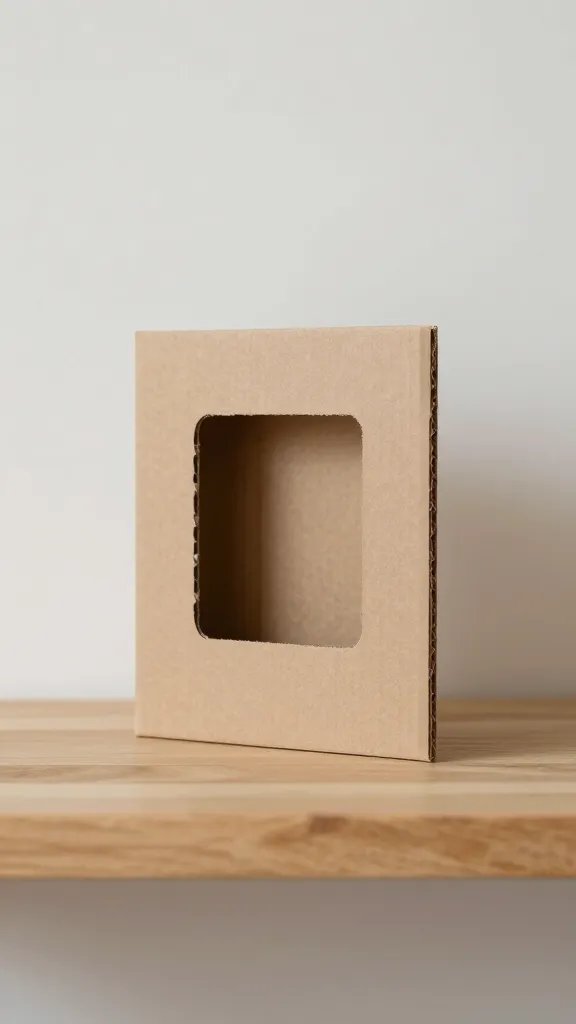
Give your hallway or reading corner a mini gallery using a long strip of cardboard as a base and small portrait frames cut from thinner cardboard. Students can design self portraits or study figures from literature, then slide their art into the frames. The backdrop helps define a space and creates a photo worthy wall for class projects. It’s affordable and easy to relocate after a unit ends.
Best for: Upper elementary classrooms needing a focal wall that doubles as an assessment showcase.
4. Cardboard Castle Corner
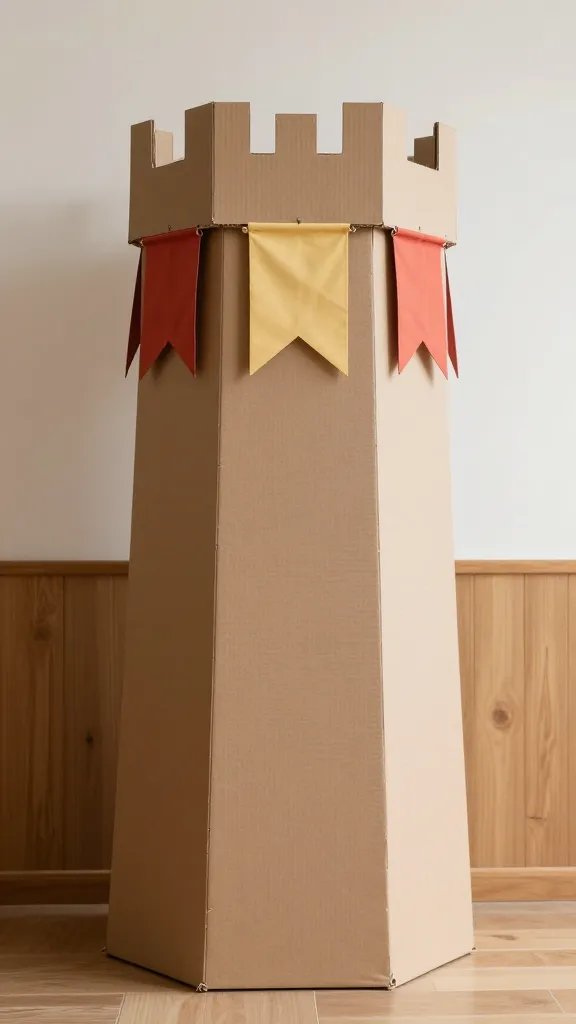
Transform a plain corner into a storytelling castle with simple cardboard towers and a drawbridge. Build a low wall with a baseboard and prop battlements on top. Kids create banners to hang along the ramparts and practice old stories or legends in a dramatic reading corner. The structure is light and collapses flat when not in use, saving space in small rooms.
Mess control: Add a washable rug beneath and a waterproof table underlay to catch markers and glue.
5. Alphabet Train on a Stick
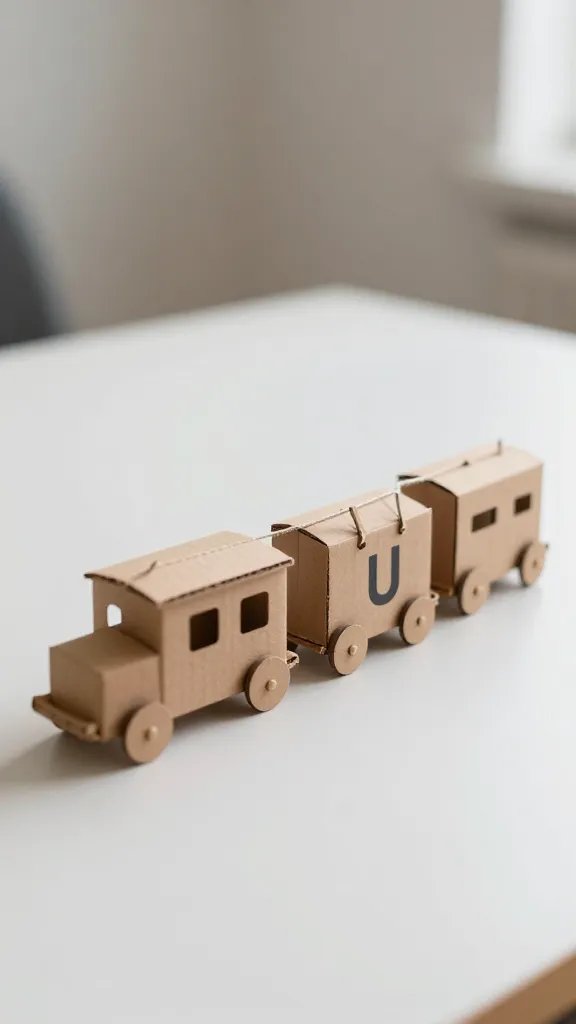
Cut a long strip of cardboard for a train track and attach 26 small circular cards with letters. Punch a small hole in each letter card and Dad-clip them to a string so students can rearrange for letter sounds or spelling games. It’s a fast literacy station that can be built in under an hour and stored in a tote when the lesson ends. Clip art pieces personalize each car.
Color note: Use contrasting colors for vowels and consonants to help early readers differentiate sounds.
6. Weather Station Wheel
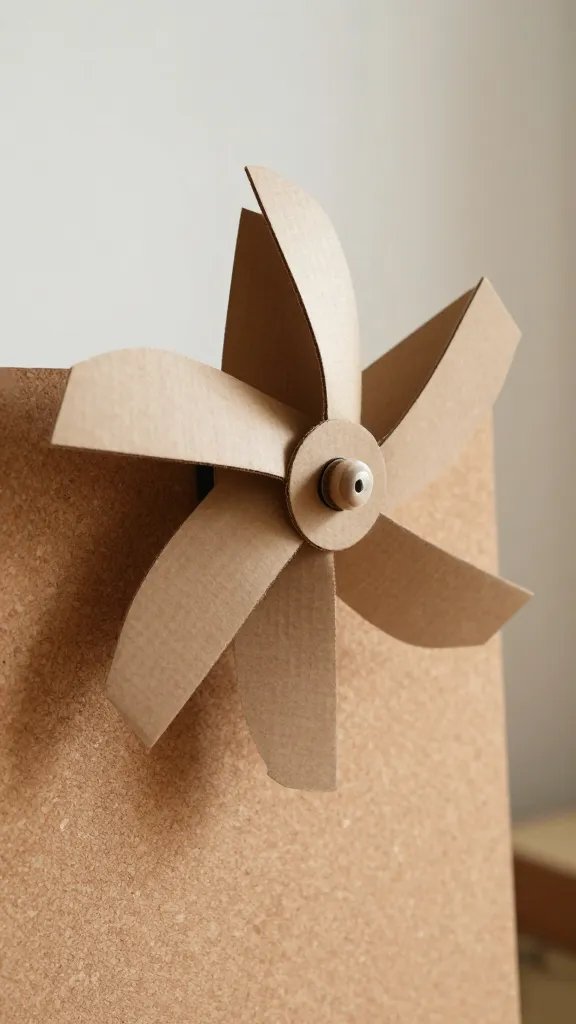
Make a large cardboard wheel that spins to show sunny, cloudy, rainy, and snowy weather. Attach one or two movable flaps for temperature and wind or precipitation notes. The wheel serves as a daily check in and a quick science prompt, with an easy swap for seasons. It’s compact and durable for classroom walls or a science center shelf.
Placement note: Mount with a simple pushpin on a cork board so it can be rotated daily without damage to walls.
7. Story Map Pallet
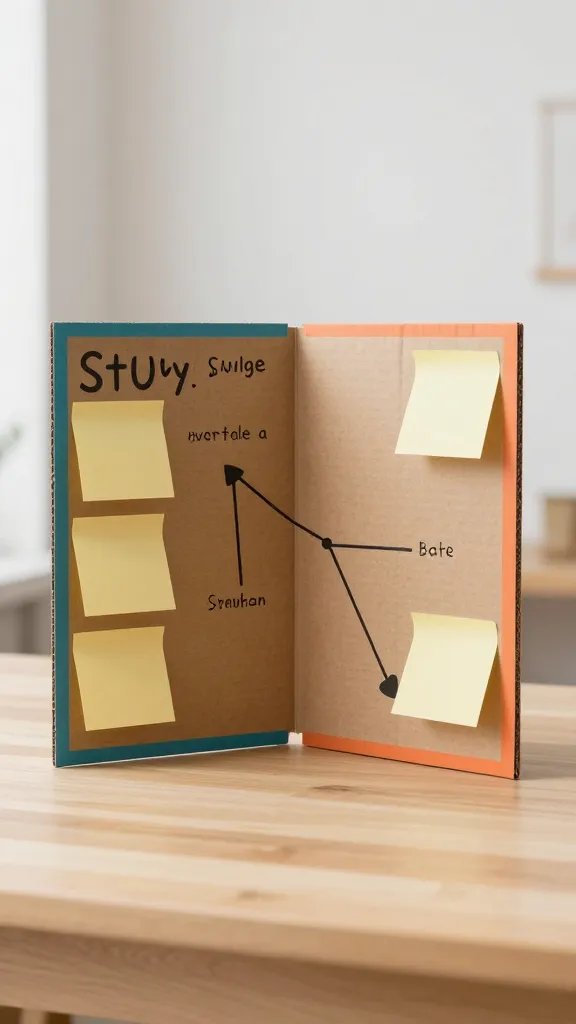
Use a lightweight piece of cardboard as a story map with labeled sections for setting, characters, problem, and solution. Students place sticky notes or small cards in the slots as they narrate. It’s a tactile way to plan a story in writer’s workshop and doubles as a display piece when finished. A simple border drawn with colored markers frames the map and helps focus attention.
What to avoid: Too many small pieces that get lost. Keep to 4 to 6 main story beats for younger readers.
8. Cardboard Kaleidoscope Wall
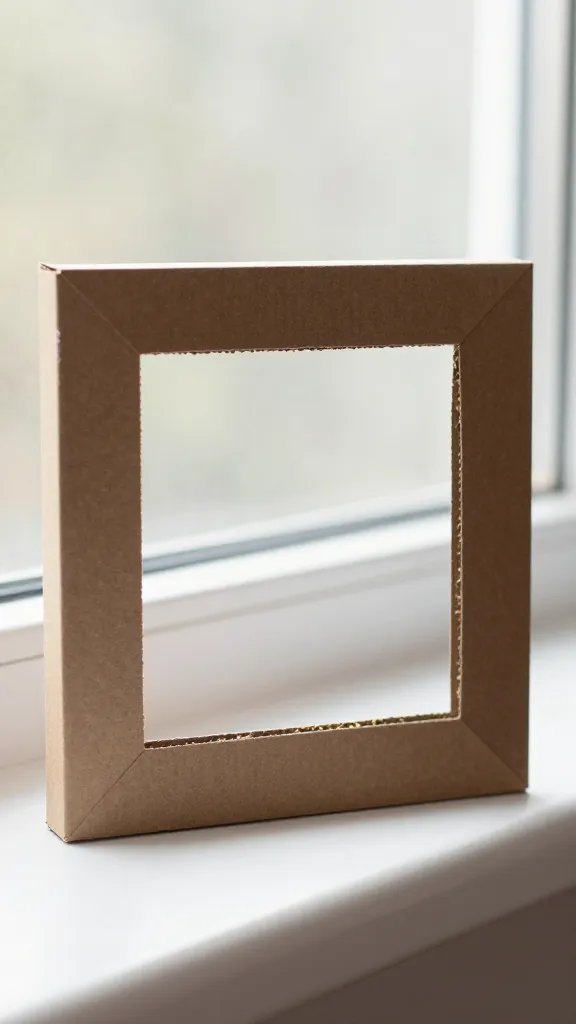
Cut a large rectangle and edge it with a border of folded cardboard triangles to mimic a kaleidoscope frame. Drop in small, reflective scraps or colored paper behind a transparent sheet to catch light. When attached to a sunny wall or window, the display shifts with the sun and adds color to the room without extra lighting. Students can swap colors weekly for a living art piece.
Best for: A bright, high visibility display in a science or art rotation.
9. Globe Swap Stand
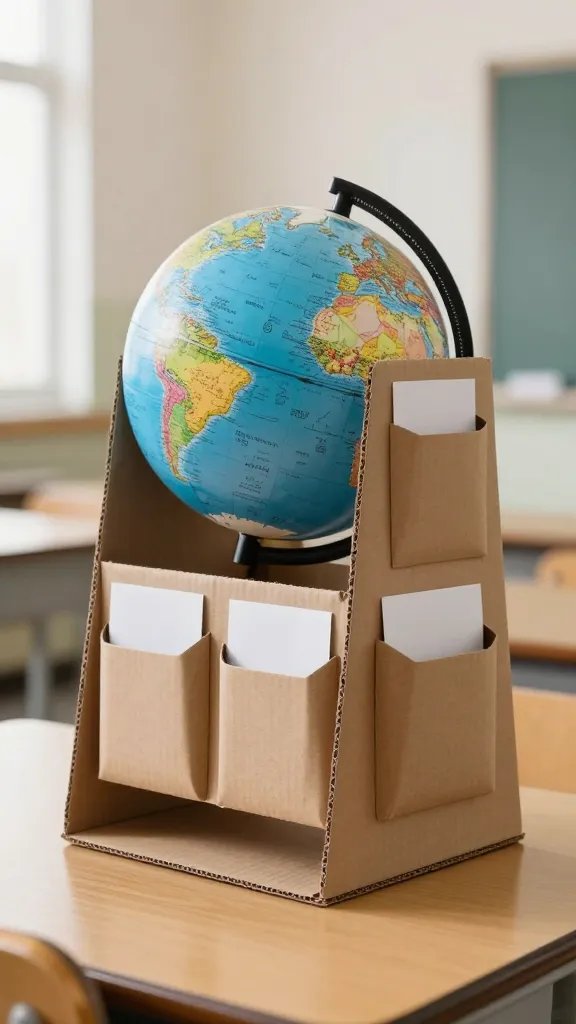
Build a small stand from cardboard to hold a swap globe or classroom map. Staple or tape a few cards with country names or capitals around the rim. Students rotate the globe or map as they learn geography, then tuck the cards into a labeled pocket when the lesson ends. It’s compact, portable, and reduces the need for big, fragile globe displays.
Dollar store swap: Use a cheap map cut from a poster board as a replacement when needed, and store in a tote for quick use.
10. Cardboard Color Charts
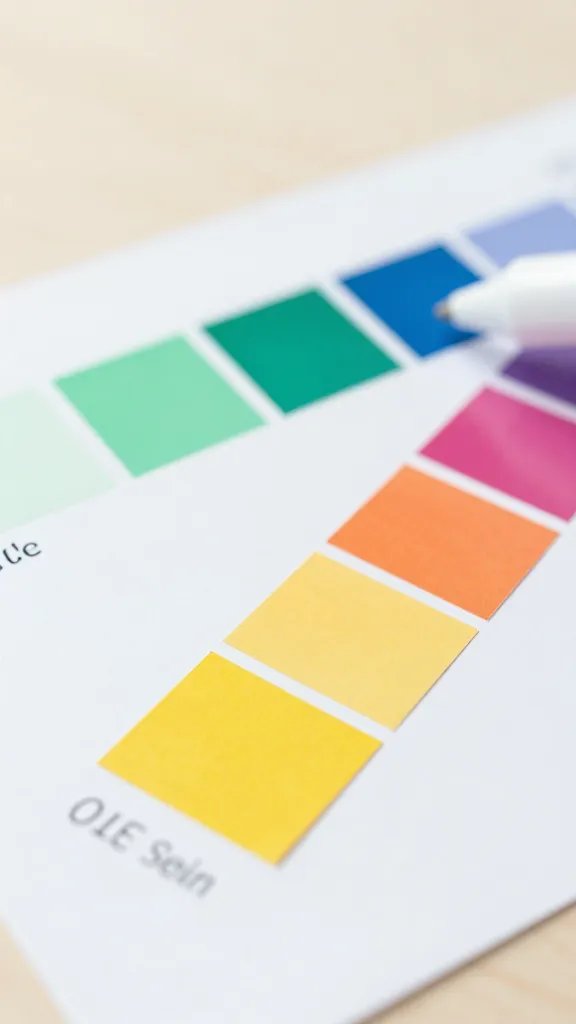
Craft color swatches from rectangular pieces of cardboard with color samples written on them. Mount to a larger piece of cardboard with a border to create a large color wheel or chart for a unit on mixing colors. This setup is perfect for small group color activities and can move between centers without damage. Keep the swatches attached with a simple brad so they flip like a mini book.
Warning: Avoid small parts that could be a choking risk for younger kids; keep the design simple for early grades.
11. Mask Making Studio
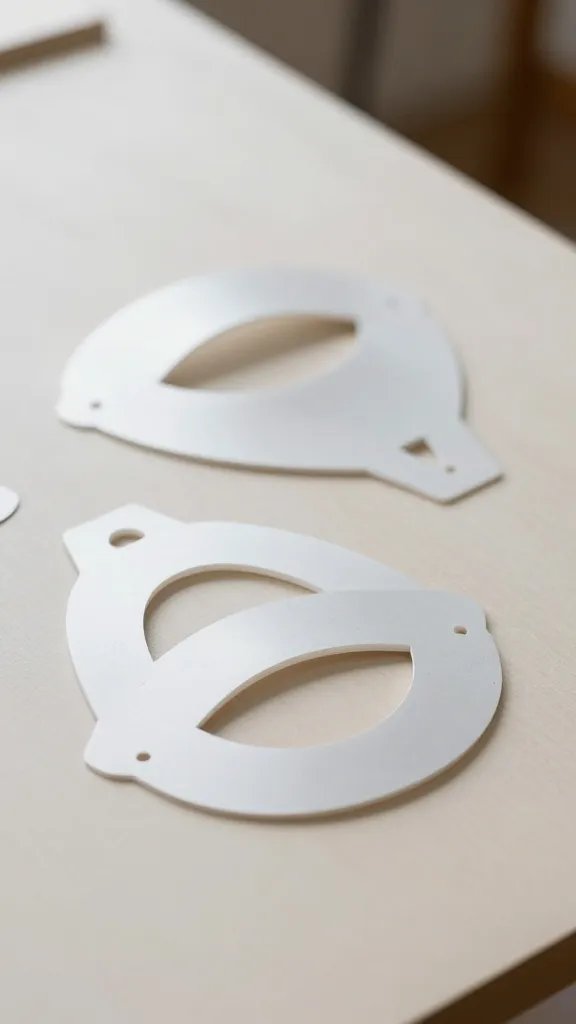
Turn a sheet of cardboard into a mask template with cutouts for eyes and a handle. Students cut out shapes and decorate with markers, paper scraps, and glue. The masks can be used in a class play, a writing prompt, or a photo booth at a unit celebration. Keep a small bin of staples, string, and staples for the kids who want to add a handle or a mouth piece.
Make it ahead: Precut eye holes and handle slits to save time on craft day.
12. Letter Tile Tray
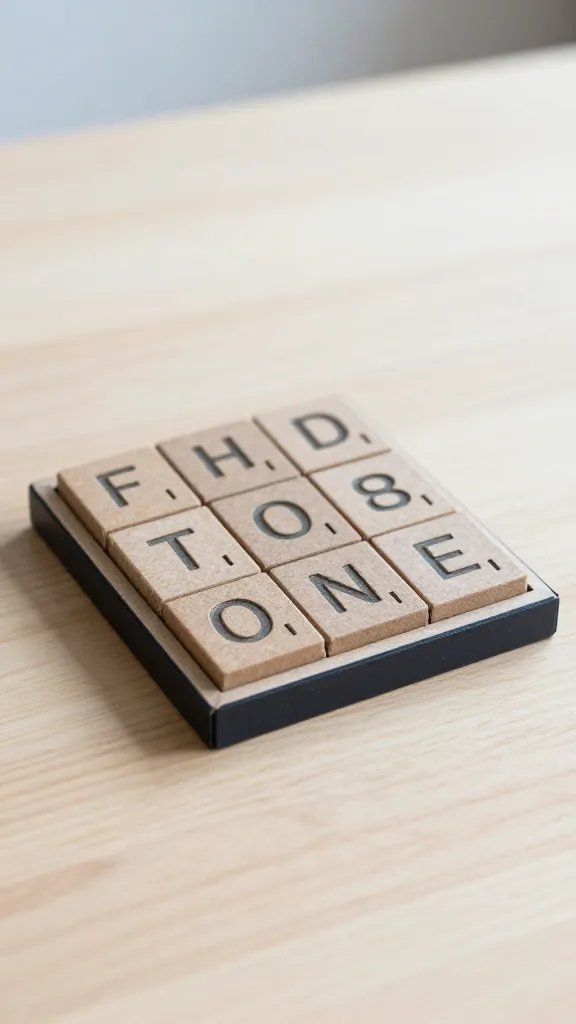
Cut a shallow tray from a large piece of cardboard and paint it with a border. Add a few sets of cardboard tiles cut into letters. Students spell words or solve simple phonics challenges by moving tiles around the tray. It’s a budget friendly way to build literacy centers and can travel between tables easily. A shallow lip keeps tiles from sliding off during setup.
Storage tip: Keep spare tiles in a labeled Zip bag in the supply cabinet for quick swaps between lessons.
13. STEM Bridge Challenge
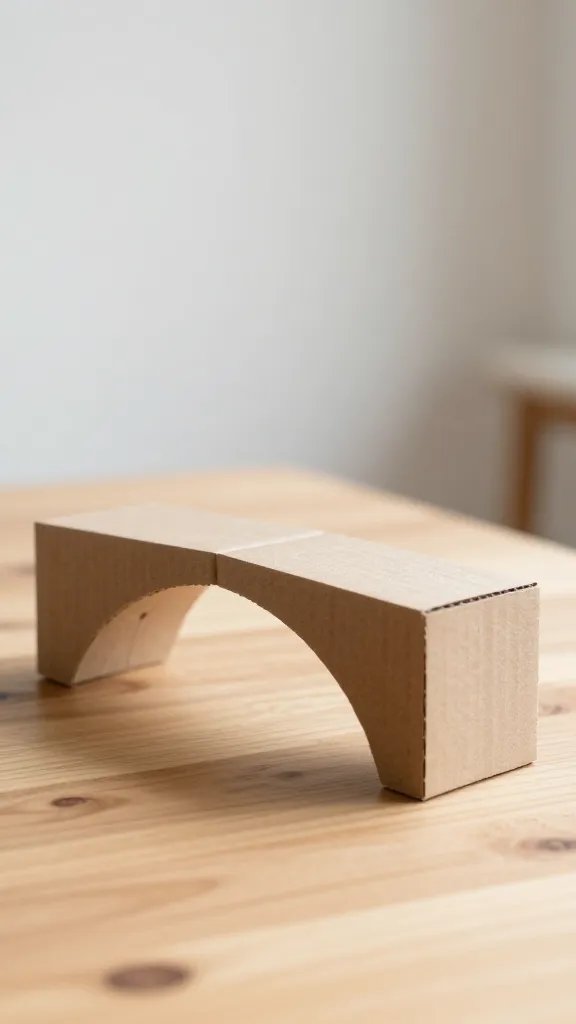
Create a simple cardboard bridge with a few scored folds to hold a small weight. Students design supports from scraps and test how much weight the bridge can bear. This tiny construction project teaches planning, measurement, and teamwork without expensive materials. It lays flat for storage and can be reassembled into a different shape next unit.
Safety note: Avoid using sharp blades; teachers should cut the score marks with a craft knife and supervise all handling.
14. Cardboard Timeline Roll
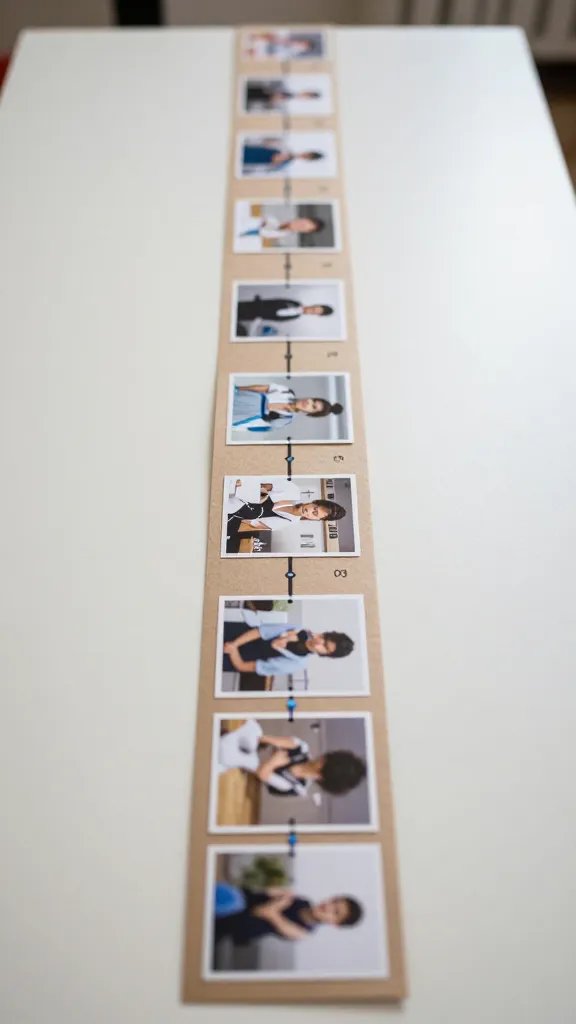
Unroll a long strip of cardboard to lay out a timeline for a unit. Mark spaces with dates or events, and attach photos or small cards to illustrate each moment. Roll it up when not in use to save wall space and easily bring it to the next classroom. It doubles as a visual reference during lessons and a quick display piece for students to review independently.
Best for: A social studies or history block where students reference events while learning.
15. Nature Texture Gallery
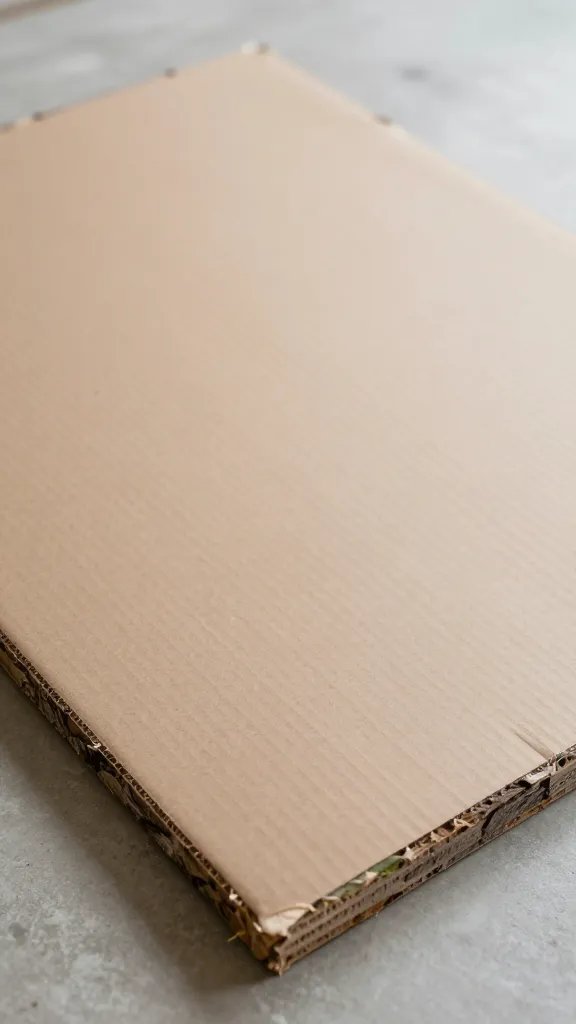
Wrap a large cardboard panel with natural textures—leaves, bark, fabric scraps—secured with glue. Students create small rubbings or tracings from nature objects and display them around the board. This idea brings tactile learning into a space that usually relies on printed worksheets. It’s quiet, low noise, and easy to reset for the next unit.
Cleanup tip: Keep a damp cloth handy for removing glue from hands and surfaces after a session.
16. DIY Quiet Reading Booth
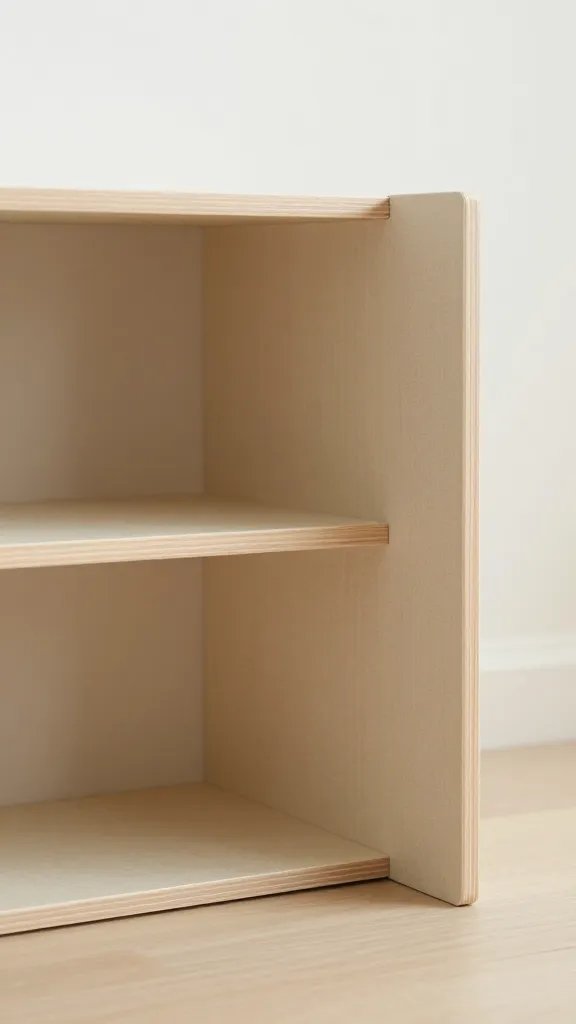
Construct a lightweight cardboard booth using two upright panels and a top cap, creating a small cave for reading. Line the inside with a soft fabric or a curtain to muffle noise and create a cozy corner. Add a simple bookshelf made from cardboard strips to hold a few favorite titles. This space helps students focus during independent reading without needing a full room makeover.
Make it easier: Use masking tape to assemble and removable hook and loop fasteners to secure fabric panels for quick teardown.
Copy the look: Add a tiny paper lantern and a read aloud card to invite students to join the space.
Conclusion
These 16 cardboard craft ideas for classroom projects offer practical, ready to execute options that fit tight budgets and busy weeks. Each one is designed to engage students, stay sturdy, and store away neatly when not in use. Keep a small stash of scraps and a roll of tape handy, and you’ll have a flexible toolkit for centers, displays, and special lessons. Save this for the next birthday that sneaks up on you.