
17 Craft Ideas for Elementary School Classrooms

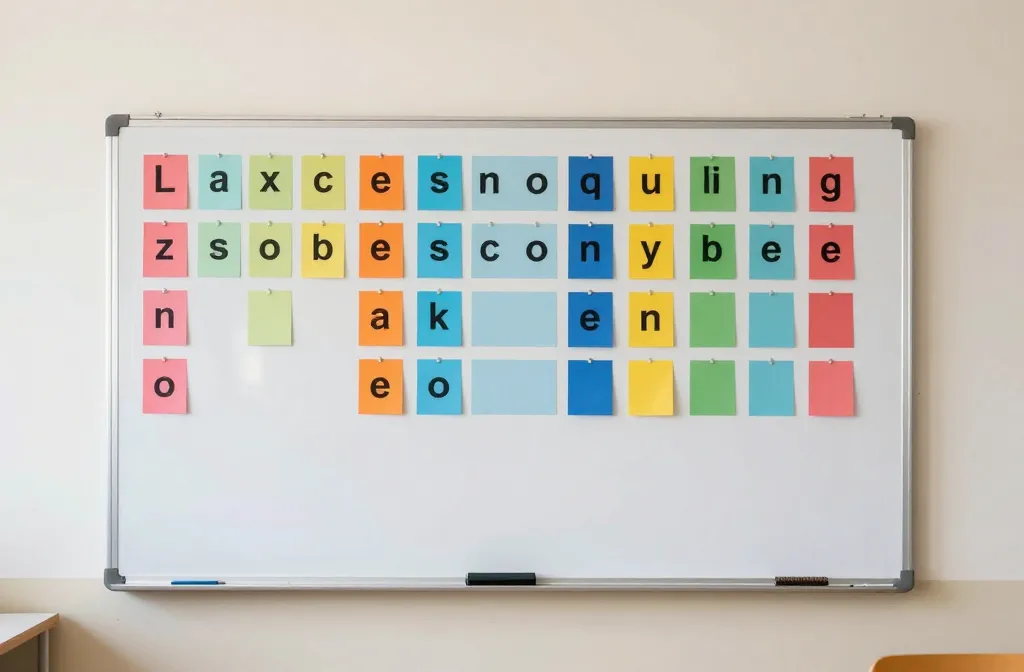
Teachers juggle a dozen quick wins at once. The real challenge is turning a blank wall and a tight budget into something that kids actually enjoy making and keep. These 17 ideas fix common classroom setup pains, from dull corners to lost attention between lessons. Each plan is practical, with plain supplies and a sensible timeline that a grateful aide or parent volunteer can handle. Use the ideas in any order that fits your calendar, and tweak colors to match the school theme.
Whether you need a quick display, short hands on activity, or a durable classroom decoration, there’s something here you can start today. Each idea stays focused on the kids and the space, not a big shopping spree. Read through and pick the tasks that will actually stay up long enough to be useful, not just look cute.
1. Magnetic Word Wall Cards
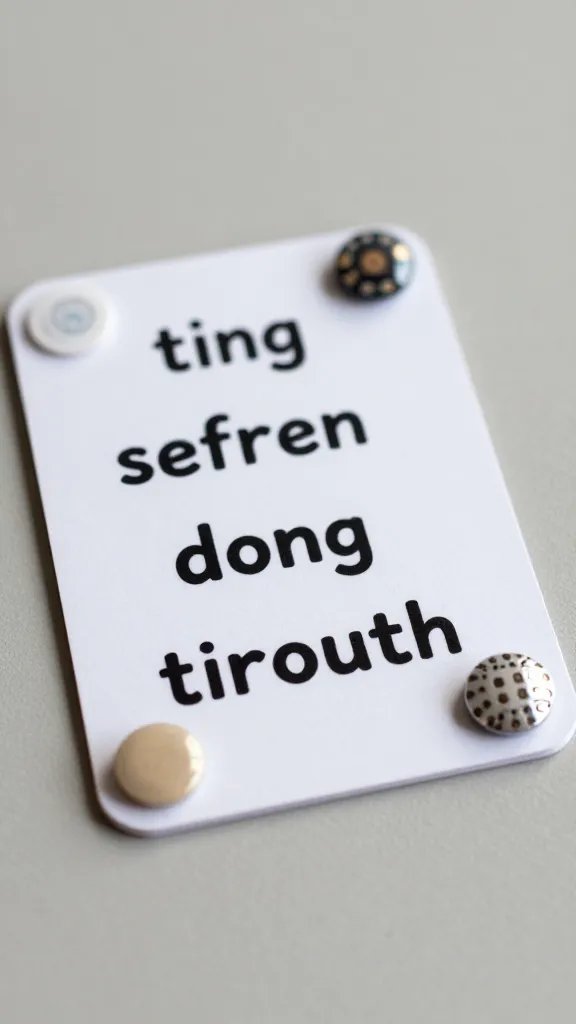
A plain white board can lose focus fast when kids drift to chats rather than words. Create a rotating set of magnetic cards with sight words, math terms, and daily prompts. Print on sturdy matte cardstock, laminate, and add circular magnets on the back. The magnets let you swap quickly between lessons or author prompts. Time to complete: about 45 minutes for a starter set; ongoing updates take 5 minutes between classes.
Why it works: Keeps literacy and math language visible, so kids can reference terms during independent work. Use what you have: round magnets from the thrift store, leftover laminate, and a cheap magnetic sheet.
2. Clip Card Gallery Behind the Door
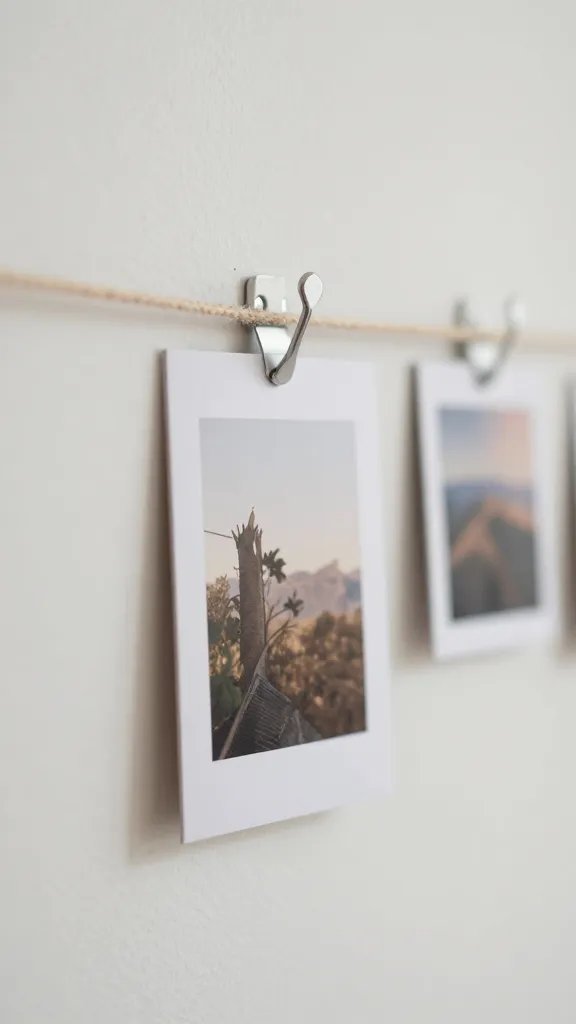
Blank hallway spaces become learning hubs when you swap in a rotating clip card gallery. Cut art cards from sturdy card stock, punch small holes at the top, and clip them to a length of twine hung with removable hooks. Each week feature a different student art or a new science fact. This is a mini gallery that takes under an hour to assemble and can be updated every week with almost zero effort.
Placement note: Hang at eye level for most students so they can admire and discuss. Use a simple color code to group subjects or themes.
3. Chalkboard Scratch Art Flags
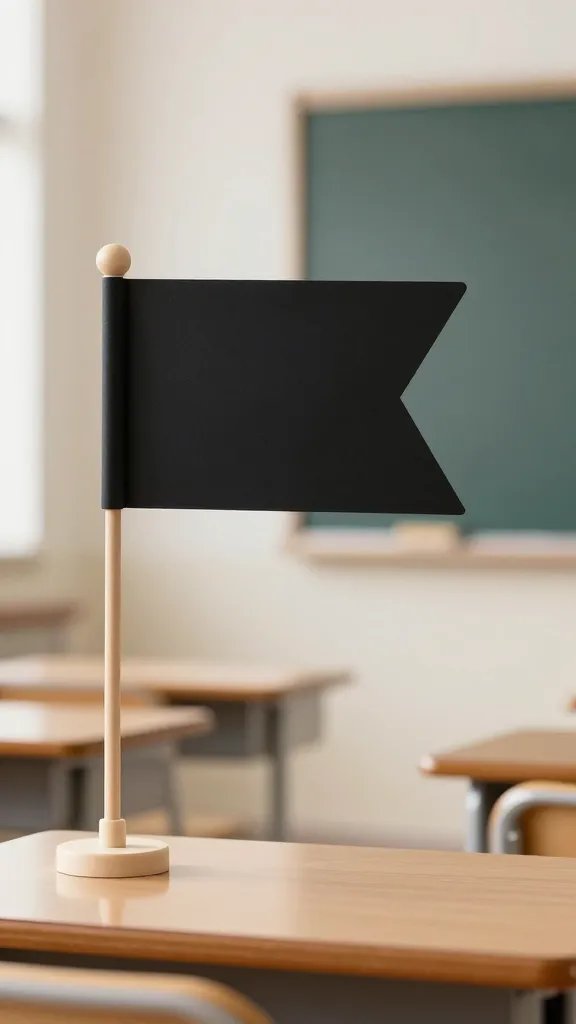
Turn a field of plain chalkboards into interactive flags that reveal student goals. Use painter tape to create small flag shapes, then let kids scratch away a dark coating to reveal bright colors underneath. It’s a quick refresh that requires little prep and sparks conversation about learning targets. Assemble in under an hour; reuse the same shapes for months with fresh colors.
What to avoid: Don’t run magnetic paint over all chalkboard surfaces; a small patch is enough to create interest without interfering with writing space.
4. Paper Plate Class Portrait Wall
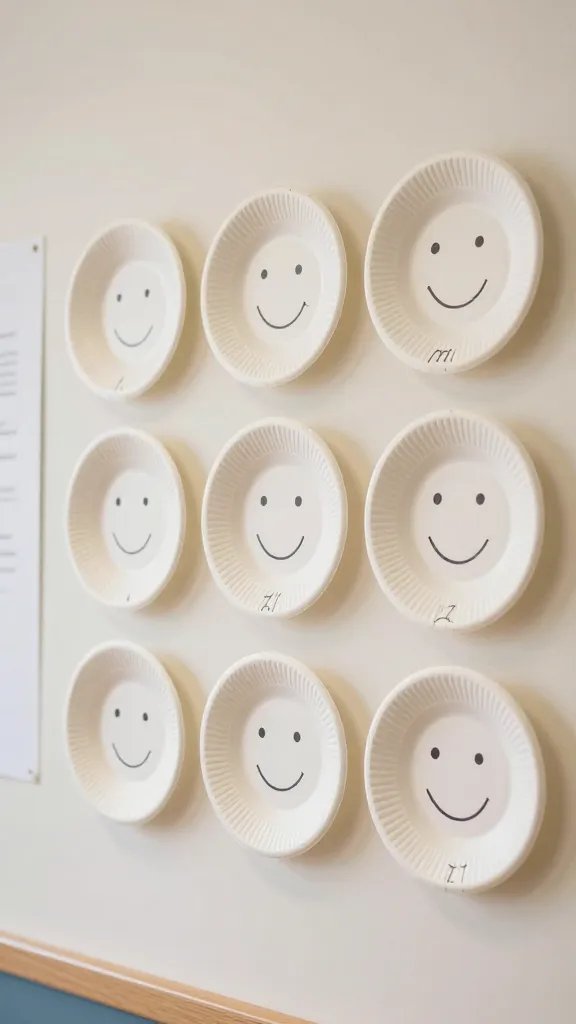
Make a smiling class portrait wall by stapling or taping paper plates in a grid and adding simple facial features with markers. Kids can decorate their own circle with a name tag and a tiny drawing. It looks cheerful and reduces the need for a formal class photo. Time to complete: one long art period plus a quick cleanup, about 90 minutes total.
Copy the look: Add a printable background banner with the school year to anchor the display.
5. Quiet Corner Shadow Boxes
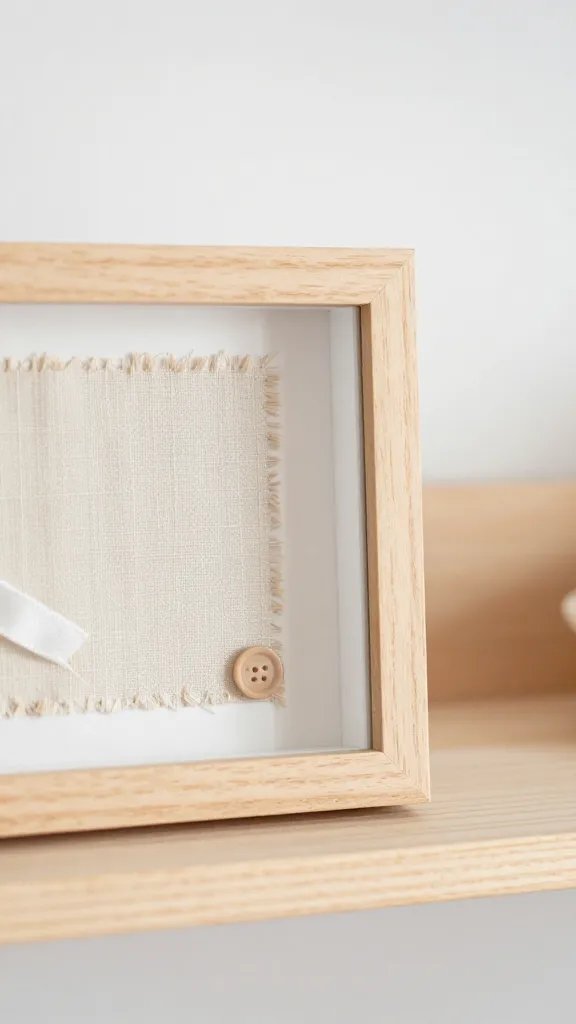
Transform a bare corner into a mini calm zone with 4 small shadow boxes. Fill each with tactile items like fabric scraps, buttons, ribbons, and safe trinkets. Label each box with a simple theme: textures, colors, shapes, and sounds. Students explore with hands, then rotate through the four boxes in small groups. Setup takes about 60 minutes; swap contents monthly.
Why it looks store bought: The orderly arrangement makes a high impact with minimal clutter and a clear path for small group work.
6. Pom Pom Color Path
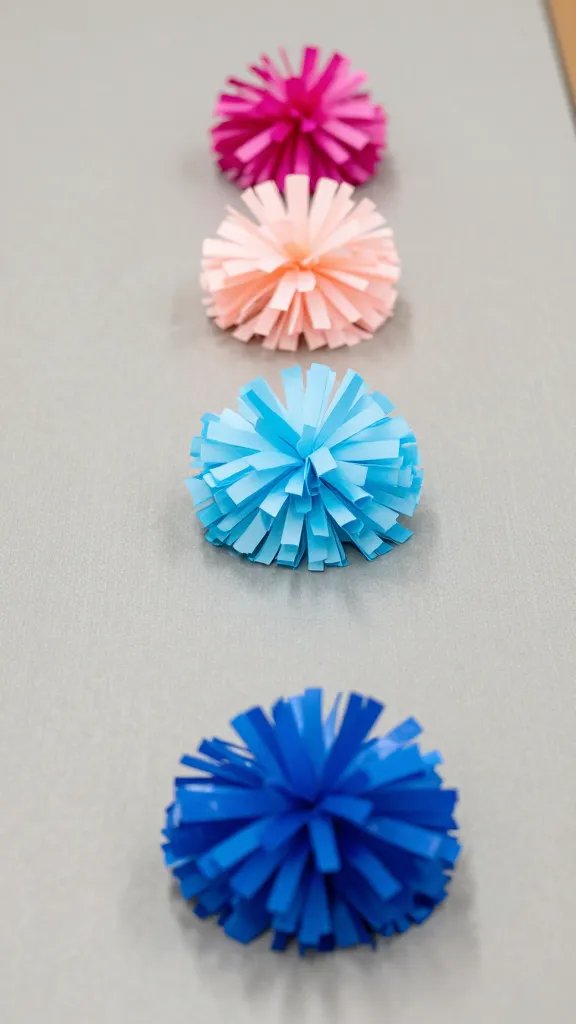
Create a color coded path along the floor using large pom poms. Lay them in a sequence that matches a color gradient or a math color chart. Kids march along the path during warmups or transition times. It’s inexpensive, easy to maintain, and solves the problem of noisy, aimless hallway chatter between classes. Setup is quick, about 20 minutes for a 6 foot path; extend as needed.
Little hands tip: Use a low-temp glue to secure pom poms to a mat—avoid gluing directly to the floor for easy removal later.
7. Reusable Ribbon Banner for Weekly Themes
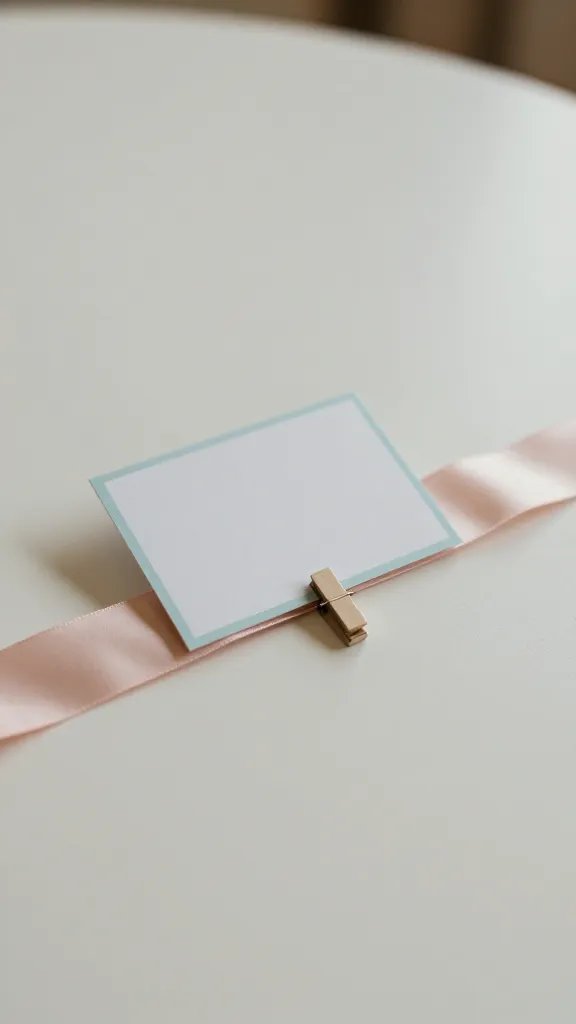
Boost the classroom mood with a long ribbon banner that you swap weekly. Cut 6 inch wide fabric ribbons, punch holes in a tabletop cardboard strip, and thread with a simple ribbon tie. Print a new theme word (like “Reading”) on a small card and clip to the banner each week. It takes about 40 minutes to assemble and can be reused across many units.
What to use: Leftover fabric scraps or old curtain samples work well if you don’t want to buy new.
8. DIY Paper Bingo Markers
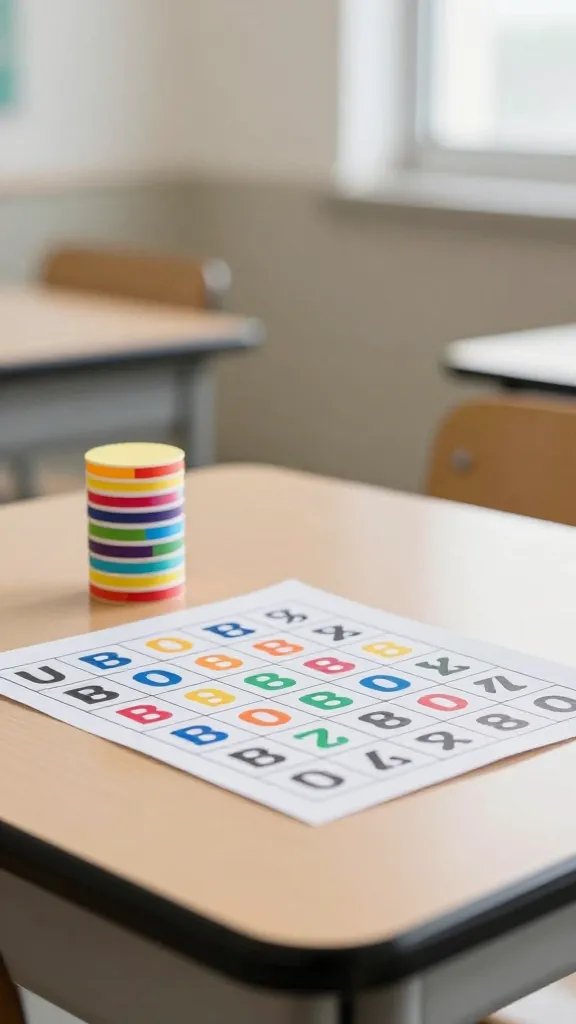
Make a stack of colorful paper bingo markers from folded cardstock. Cut small circles, glue them to card faces, and add student initials. Use for quick math drills or vocabulary checks. Store markers in a clear jar within reach of the board so students can grab their color and chase the target. Draft time is 30 minutes; you’ll reuse these for weeks of quick checks.
Safety note: Avoid small parts that could be choking hazards for younger kids; supervise glue use and keep markers on a table.
9. Texture Tray Centerpieces
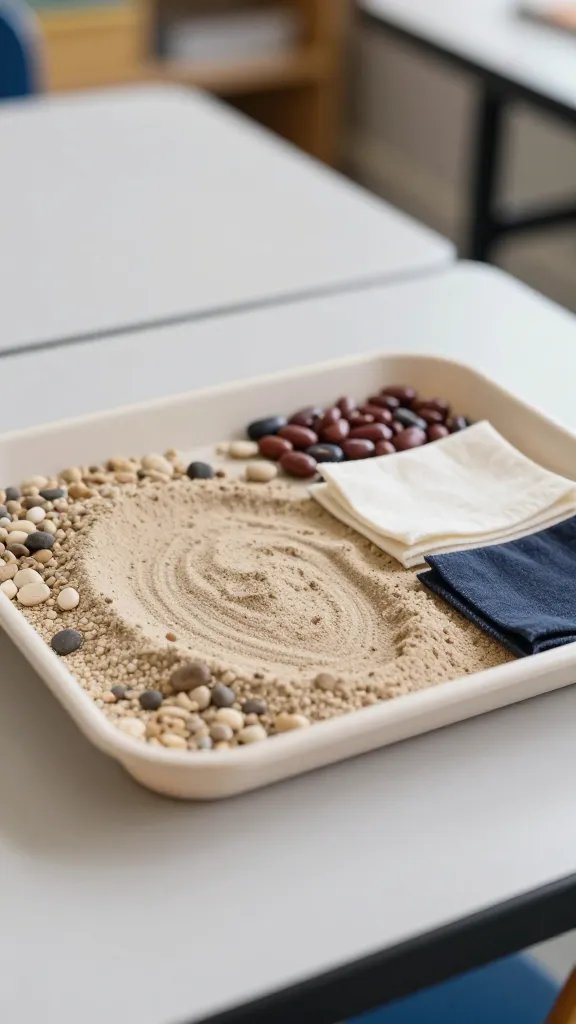
Fill shallow trays with different textures: sand, pebbles, beans, fabric swatches. Place one tray on each group table as a sensory break between tasks. Students explore textures and discuss descriptions, which ties into language arts. Assembly takes about 15 minutes per tray; rotate textures monthly to keep interest high.
Theme swap: Use seasonal items like autumn leaves or spring seeds for a quick refresh.
10. DIY Greeting Card Station
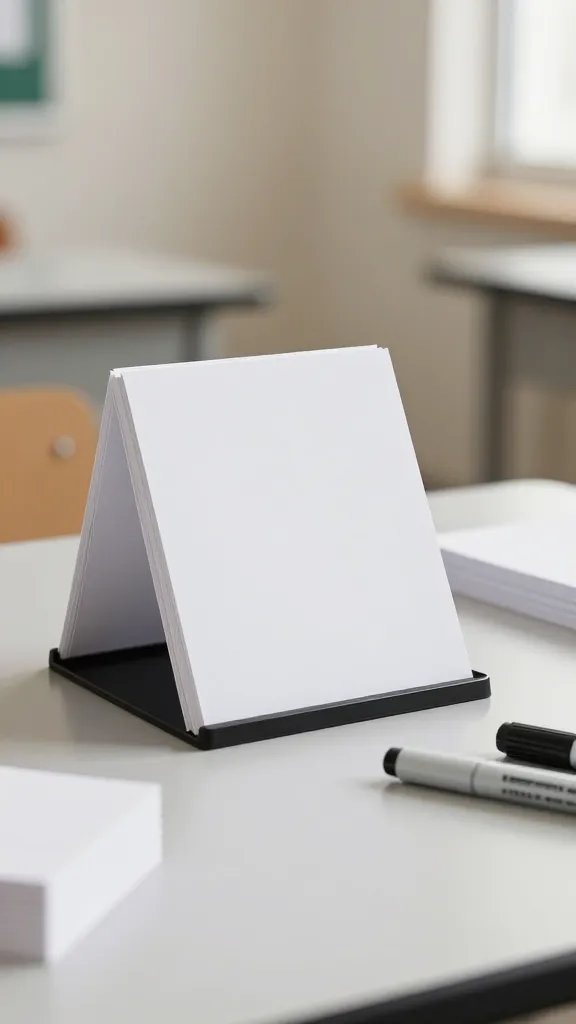
Set up a small card making station with pre folded cards, markers, and decorative stickers. Each student writes a short note to a classmate or staff member. It gives a sense of community and creates a ready-to-use set of thank you notes for events. Time to set up: 20 minutes, plus 10 minutes for the activity itself.
Use what you have: Recycled cardboard for card bases and leftover stickers keep costs low.
11. Button Mosaic Name Tags
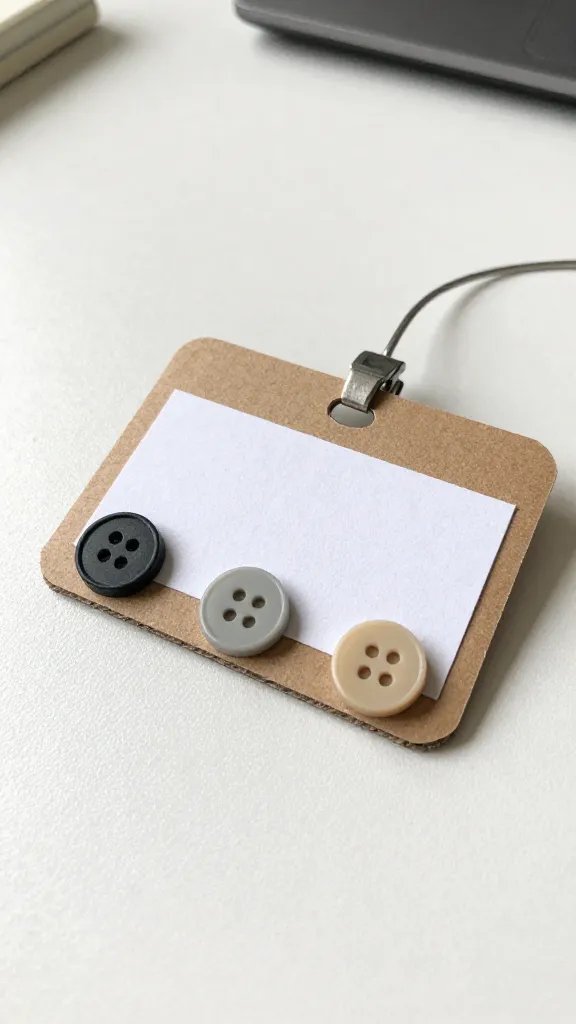
Provide a sheet of cardboard plus a bag of assorted buttons. Students place buttons to spell their names or initials, then glue them down. It’s a tactile, kid friendly craft that doubles as durable name tags for desks. Setup is simple—about 30 minutes—and the tags last all year with light glue touch ups.
Mess control: Use a tray for buttons and a damp cloth nearby to wipe fingers between names.
12. Mini Habitat Dioramas
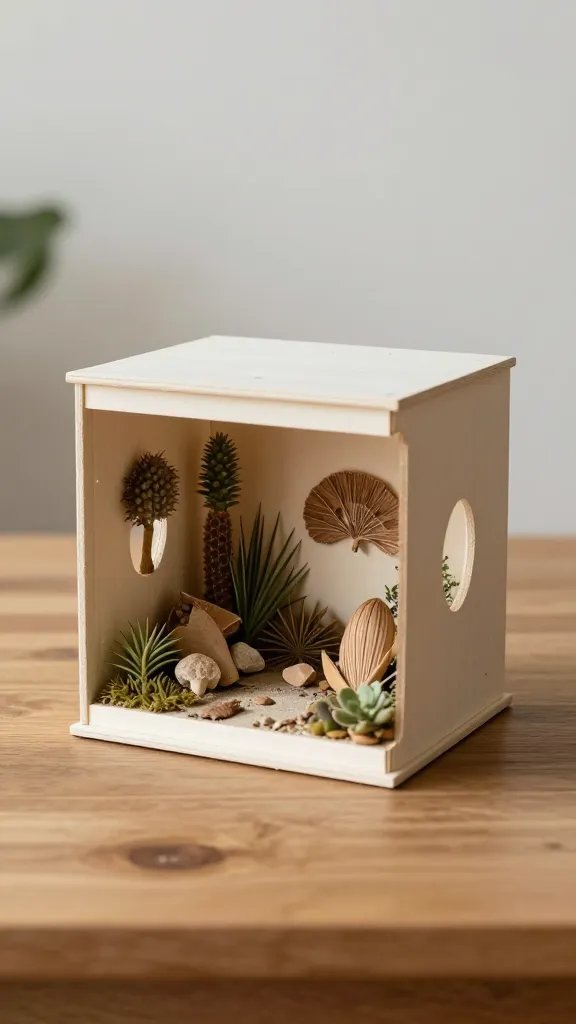
Give students shoebox lids or small plastic containers to create tiny habitats using natural materials, painted paper, and tiny plastic figures. Each group presents a quick two sentence description. It’s a compact, low mess project that fuels science talks. Time to assemble: about 90 minutes, with minimal cleanup after class.
Best for: A science unit or nature exploration block; store finished dioramas on a shelf for displays.
13. Floating Paper Boats in a Jar
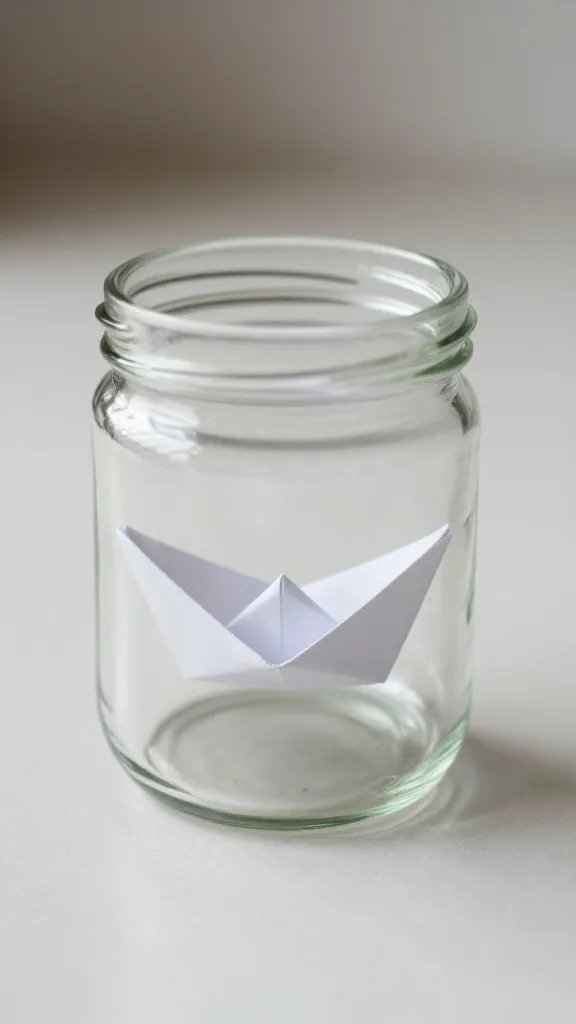
Roll paper boats and set them afloat in labeled jars with a little water and a drop of food coloring. Use this as a math measurement exercise—count boats, compare distances, estimate volume. It’s a cheap display that doubles as a hands on activity. Setup takes 20 minutes and can be stored in a cabinet between uses.
Safety note: Empty jars should be rinsed and supervised to avoid spills during transitions.
14. Favorite Quote Wall Clips
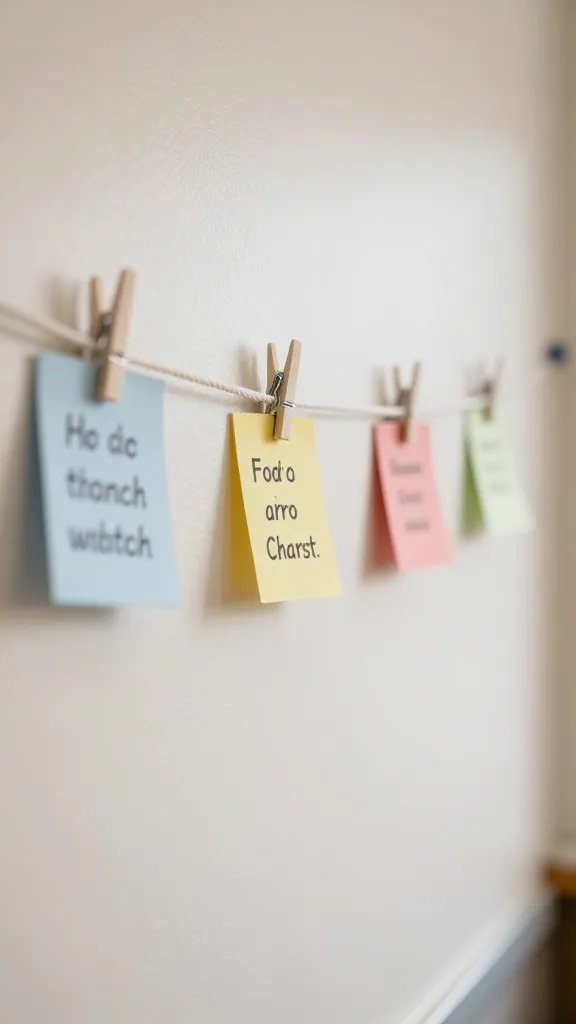
Clip simple teaching quotes to a string with clothespins. Students can add their own favorite lines throughout the year. It reinforces classroom norms and provides a quick inspiration break. Time to assemble: 25 minutes; update weekly during a quick refocus moment.
Color note: Use colors that match your theme so the wall looks intentional, not random.
15. Sewn Quick Felt Fortune Cookies
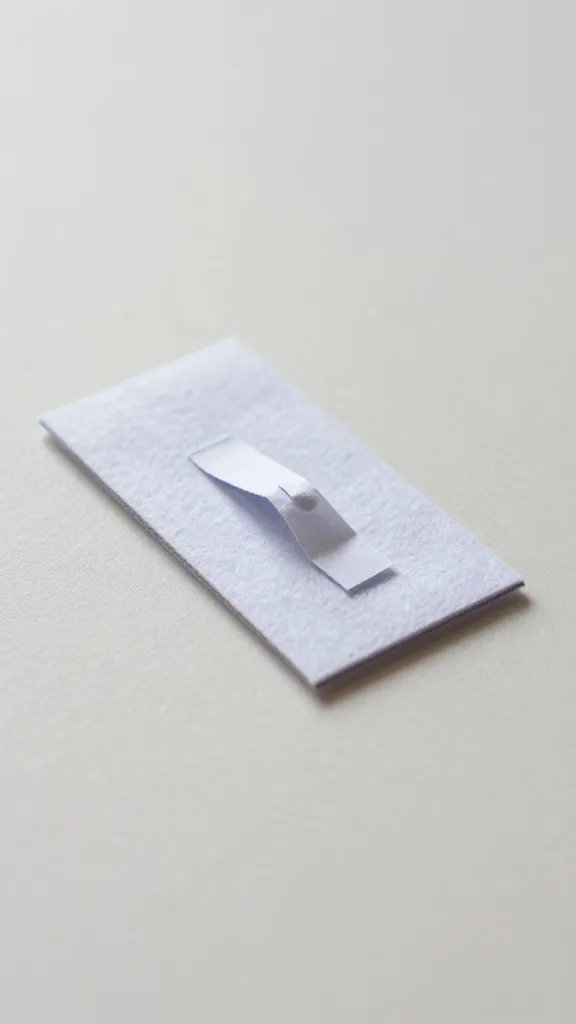
Cut small felt rectangles, fold with a dab of glue, and seal with a tiny paper fortune inside. Kids can open them to reveal a daily kinder message or a math challenge. It’s a tiny project that yields a big smile and a ready to reuse display piece. Assembly about 45 minutes for a class set; store flat in a labeled bin.
Safety note: Watch for loose beads if you include decorative accents; skip small pieces for younger kids.
16. Weather Window Journal
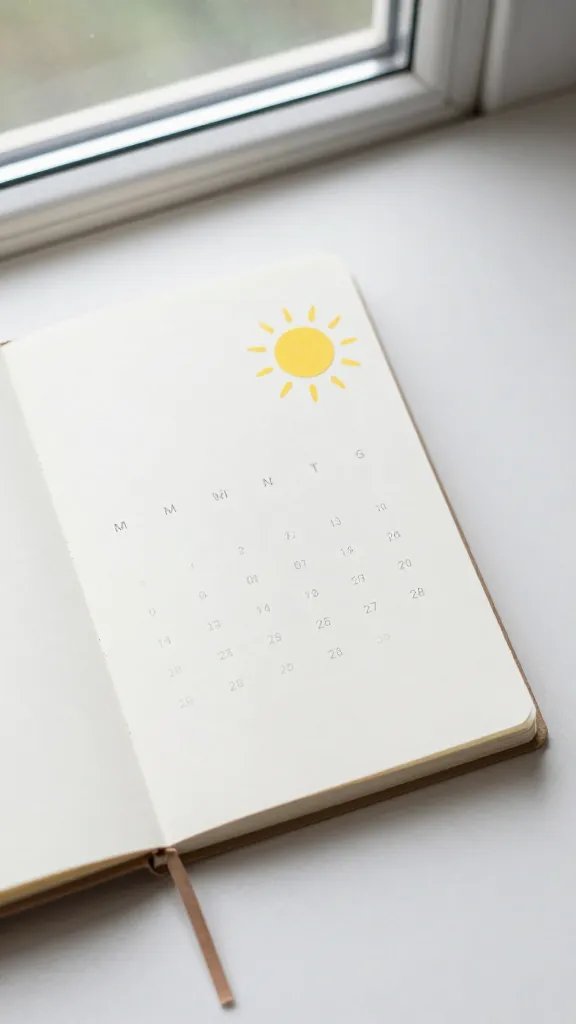
Turn a small section of the window into a rotating weather station: draw a calendar, add a sun or cloud cutout, and have kids mark weather each day with a sticker dot. It’s a simple, visible data project that stretches writing and math. Setup around 30 minutes; refresh daily with a fresh page and new stickers.
Best for: A daily science check that students can contribute to with minimal supervision.
17. Balloon Backdrop Banner
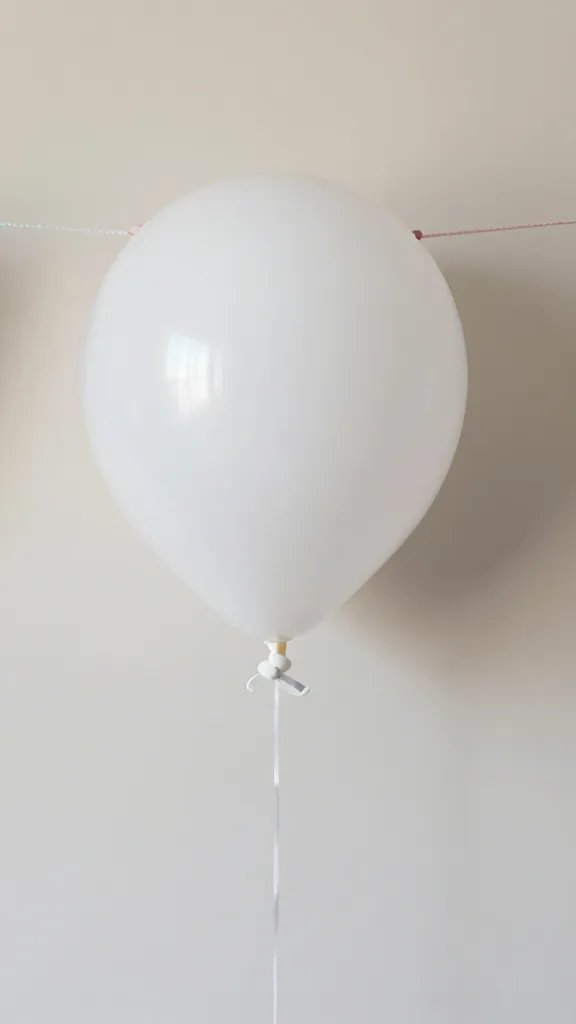
Set up a light balloon banner behind the reading corner or science station. Use air filled balloons in two colors tied on a long string with painter’s tape at the ends. It creates a focal point without dominating a small room and takes about 20 minutes to assemble. Keep balloons away from heat sources and kids under six require supervision during inflation.
Copy the look: Pair with a label card that introduces the week’s theme to tie the space together.
Conclusion
Small, smart projects can shift a classroom from quiet to engaged without draining your time or budget. Use these ideas to spark a quick setup, a fresh rotation, or a lasting display that stays useful week after week. Save this for the next birthday that sneaks up on you.