
12 Simple Ways to Teach the Ten Commandments to Kids at Home

Teaching big ideas to kids can feel like herding cats and pulling focus. The Ten Commandments present a gentle challenge: keep it practical, keep it short, and make it feel real in daily life. This list gives you quick, concrete activities you can do in a week or weekend without special gear. Each idea is designed to fit a small home, with kids who need a bit of hands on and a lot of encouragement. Use these as bite sized sessions, not a one hour lecture. The commandment messages should feel like everyday rules you actually live by.
We’ll cover crafts, quick games, and simple setups you can pull together now. The goal is to teach the core idea in a way kids can remember, repeat, and apply. The keyword can pop in naturally, helping you save or repurpose ideas later. Ready to pin a dozen tiny lessons that stick? Let’s get to the hands on steps.
1. Daily Rule Cards

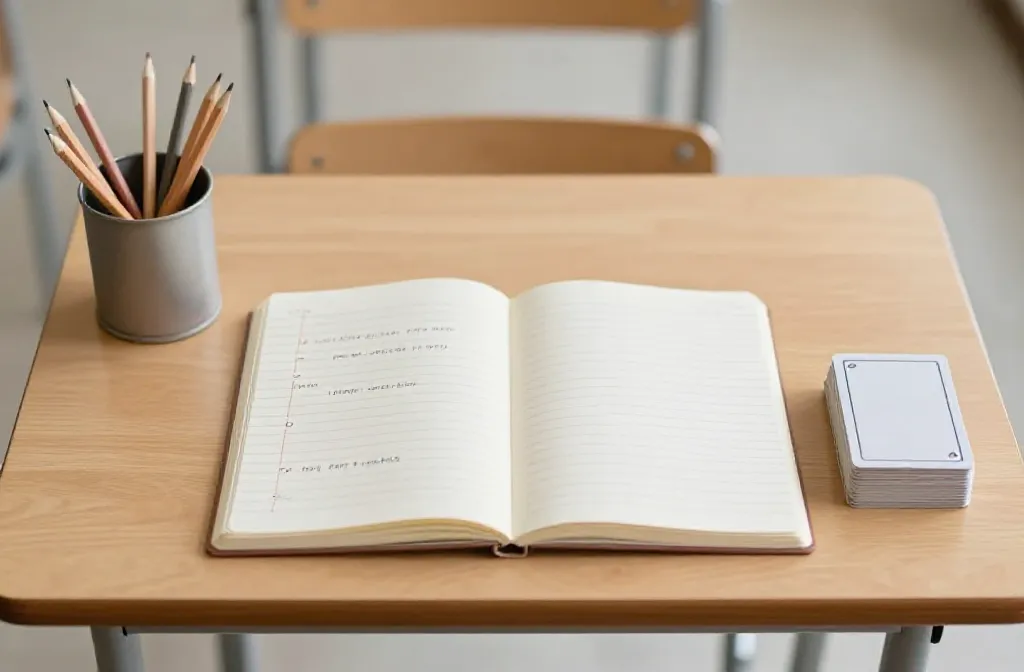
Make a small deck of sturdy cards, each featuring one commandment and a kid friendly paraphrase. Print out simple phrases, or write them with markers on blank cards. Laminate or cover with clear tape so they last through daily life. Each morning, choose one card to discuss for two minutes, then look for a real moment today to practice it. This keeps the lesson short and relevant, and it travels well to a kitchen table or car ride.
Copyable today: Materials: index cards or scrap cardboard, markers, tape or laminator; Time: 10 minutes to prep, 2 minutes daily.
2. Commandment Sticker Chart

Turn behavior goals into a friendly chart kids can monitor themselves. Create a simple grid with the ten commandments as rows and days of the week as columns. When a child demonstrates a commandment, they receive a sticker. At week’s end, celebrate with a small reward like a favorite treat or extra story night. Keep the focus on praise and progress, not punishment, and rotate the chart to cover new lessons each week.
Why it works: Visual reminders and regular feedback help kids connect action with principle. Best for: Families with a chart loving mindset.
3. Build a Ten Commandments Banner

Craft a tiny wall banner that lists the commandments in large letters. Use kraft paper, colored markers, and a ribbon for hanging. Add a small illustration for each commandment so kids can associate the idea with a picture. Hang it in a neutral space where family members pass by—kitchen, hallway, or entryway—so the lessons stay visible and easy to reference during daily routines.
Use what you have: Paper, markers, string, and tape; Time: 45 minutes to cut and decorate.
4. Commandment Story Sticks

Create a set of wooden craft sticks with a single word or picture on each one that hints at a commandment. Use simple drawings or printouts laminated and glued to sticks. When a kid faces a choice, they draw a stick to guide their decision. Keep the rules light and give an example story to model the decision, like sharing a snack or telling the truth about a mistake.
What to avoid: Too many sticks can overwhelm; start with four and add more later. Copy the look: Use washi tape to decorate sticks for a friendlier vibe.
5. Commandment Obstacle Course

Turn a simple hallway into a mini obstacle course that teaches a commandment through action. For example, a “Don’t steal” course could have a race where players must pass a token back and forth, emphasizing sharing. Narrate the commandment aloud as they move through each station. This is a playful, kinetic way to imprint the idea without a long discussion, and cleanup is quick with a central basket for all props.
Time needed: 25–30 minutes; Safety note: use soft props and adult supervision for any tricky stations.
6. Quiet Reflection Cards

Give kids a small card with a question about a commandment to answer in a few sentences. You can keep a stack near the reading chair and ask one question at bedtime. Prompts like “What would you do if you saw a friend being unkind?” help kids apply the commandment to real situations. Keep it light, short, and personal so responses stay honest without pressure.
Little hands tip: Use colored pencils so responses are easy to read and preserve the moment.
7. Commandment Recipe Jar

Fill a jar with recipe cards that pair a commandment with a quick, kid friendly action, like “Tell the truth even when it’s hard” paired with “practice saying I’m sorry.” Each day, a child picks a card and commits to a tiny act tied to that commandment. The jars sit at the table or on a shelf, a constant, gentle cue to live the rule, not just recite it.
Make it ahead: Print or write 20 small cards ahead of time and include a few blank cards for personal notes.
8. Family Challenge Nights

Schedule a 20 minute weekly challenge where the whole family picks one commandment to practice in a fun way. Activities can be a quick board game about honesty or a cooperative puzzle that requires sharing. The goal is shared practice, not perfection, and you can swap the challenge each week so no one feels singled out.
Hosting tip: Keep challenges light and end with a quick thank you circle so kids feel seen.
9. Commandment Craft Jar

Let kids decorate a jar with the ten commandments listed around the rim. Then add small slips of paper with simple actions that demonstrate each commandment. When the jar is full, pull one slip a day and perform the act together as a family. This makes the commandments actionable and part of your normal rhythm, not a one off lesson.
Safety note: supervise hot glue or sharp scissors during jar decorating and ensure all slips are age appropriate.
10. Suited for Small Spaces: Chalkboard Wall Lesson

Use a reusable chalkboard or dinner placemat to write one commandment per week. Have kids illustrate a scene that shows it in action. This is a great fit for apartments or tiny homes where you want a quick, wipeable reference that doesn’t clutter shelves. The weekly rotation keeps interest high and saves you from repeating the same activity every day.
Best for: Weeknight families who rotate topics and love a quick visual cue.
11. Theme Dinner Night

Pick a commandment and plan a small dinner around its message. For example, “Love your neighbor” becomes a shared plate where family passes dishes to each other and comments on kindness. Keep the menu simple, like veggie kabobs and dip cups, and invite kids to help set the table with a note about the commandment. The meal becomes a memory anchor linked to the principle.
What to swap: If the meal feels heavy, do a simple snack version and a ten minute chat about the idea afterwards.
12. Progressive Poster Cutouts

Create a large poster with all ten commandments. Cut out each commandment as a separate piece and place them on a magnetic board or tape them to a wall. Each time a child demonstrates a commandment, move the corresponding cutout to a “lived” section. When all ten have moved, celebrate with a small family ceremony and archive the board for future lessons. It’s a visual, dynamic reminder that grows as they grow.
Why it works: Movement and progress visuals help kids internalize the idea in a tangible way.
These twelve ideas weave simple craft, quick setup, and real life practice into daily moments. They’re designed to be kid friendly and family friendly, with small steps that fit into busy weeks. Use one approach at a time, or mix several in a single weekend. And if a plan needs tweaking for your space, that’s totally okay. Save these for the next birthday that sneaks up on you.