
14 Craft Ideas for Kids With Sensory Issues

Parents sourcing calm, hands on activities for kids with sensory needs often hit a wall: too much noise, too many textures, or a setup that just keeps unraveling. These ideas are built to be easy to pull together, budget friendly, and gentle on overwhelmed moments. Each craft or setup targets a specific sensory hurdle and gives you a clear, simple path to execution. You’ll find options that work in small spaces, in a rush, and with kids who want to do things themselves but still need soft, predictable steps. Let’s dive in and pick the best fit for this week.
These ideas are written to be copyable today, with plain supplies and quick timelines. Use variations of color, texture, or tools to suit your space and guest list. The goal is tactile variety without chaos. The list below is arranged so you can skim and grab the first four that fit your time window and budget.
1. Fidget Tactile Bags
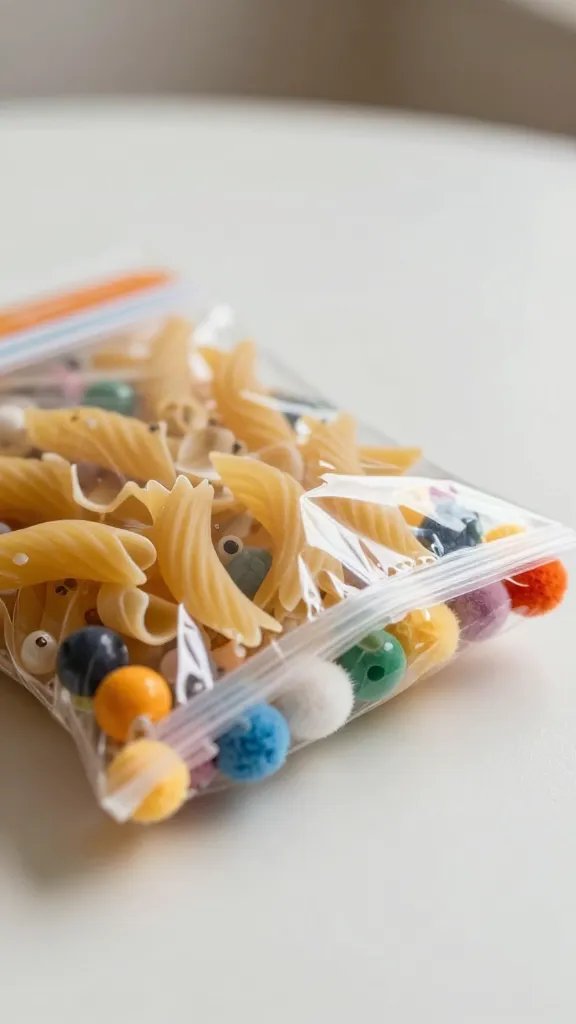
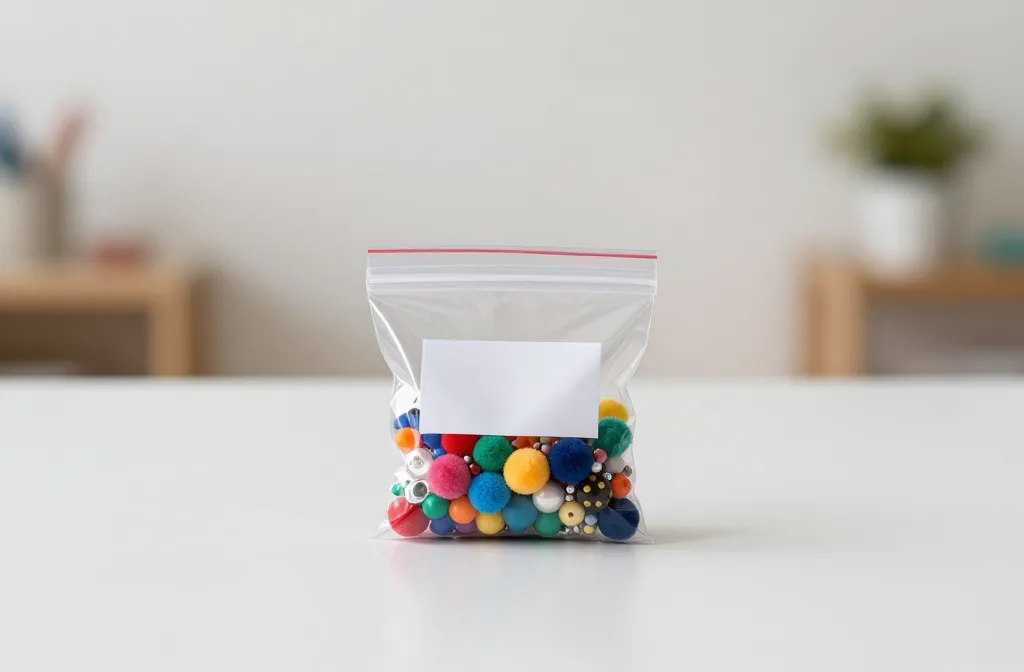
A calm, self contained station that keeps little hands busy without loud noises. Fill zip bags with items like dried pasta, sand, pom poms, and a few loose beads. Seal well and tape the zipper closed for safety. Kids can squish, slide, and shuffle the contents to explore texture and pressure. This works well as a solo activity or a quiet corner at a party. It also travels nicely if you need to move stations between rooms. Time: about 20 minutes to assemble per bag.
What to avoid: small parts that detach; supervise when beads are involved.
2. Sensory Snakes on a Stick
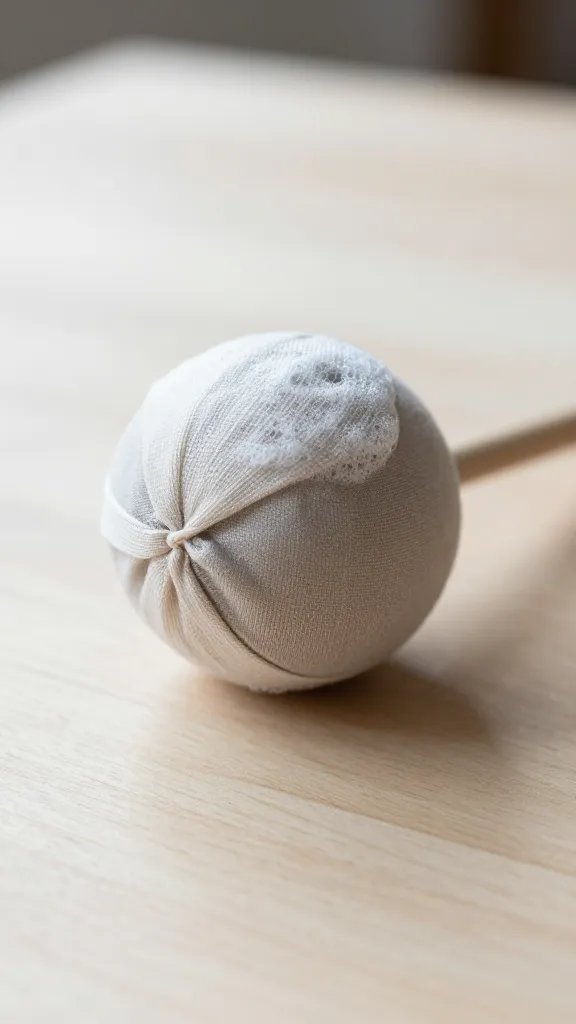
Take a foam ball, wrap it in a soft fabric, and attach to a smooth wooden dowel. The result is a gentle, safe DIY “snake” that kids can press and roll without noise. Use two fabrics for a two tone look and add a small tag with a simple color name or texture descriptor. This can extend into a quick color matching game or a story prompt. Prep takes about 15 minutes; materials are easy to source from a craft bin.
Safety note: choose fabric with no loose threads and supervise any stapling or hot glue step.
3. Quiet Corner Sensory Wall
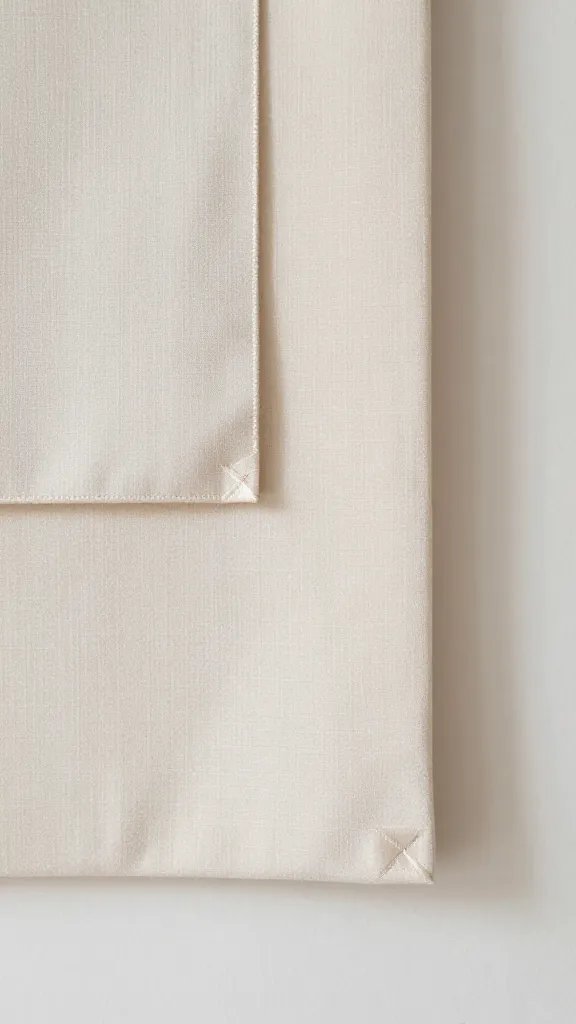
Transform a small wall into a calm zone with a low profile fabric panel, a handful of textured swatches, and a cork board for soft notes. Attach fabric squares with clothespins, then lay out swatches in a gentle color progression. Add a few tactile elements like a soft ribbon bow or a satin ribbon strip. The goal is a distraction-free focal point where kids can explore at their own pace. Time to assemble: 30–45 minutes, plus a day of hanging to allow fabric to settle.
Placement note: mount at kid height on a secure wall anchor.
4. Felt Sticker Storyboard
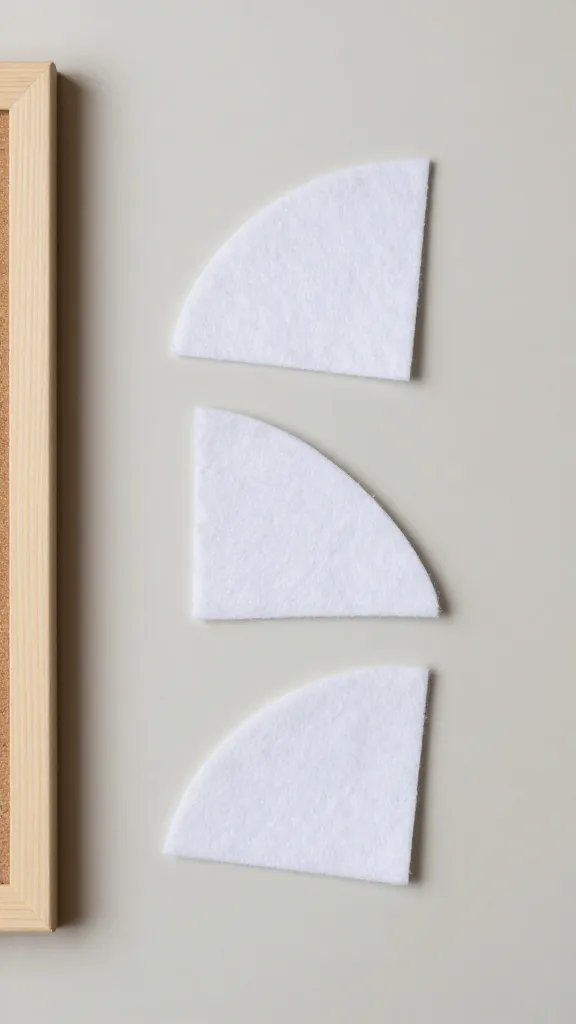
A felt board with simple characters and shapes invites storytelling without small choking hazards. Cut felt into a handful of figures (people, trees, houses) and mount a felt backdrop to a stiff board. Provide a few felt accessories to create miniature scenes. Kids can rearrange stories without needing a lot of moving parts, keeping focus and reducing overwhelm. Plan 25–35 minutes for cutting and grouping the pieces.
Kid friendly: use larger shapes and fewer tiny parts to keep it accessible for little hands.
5. Texture Tray Exploration
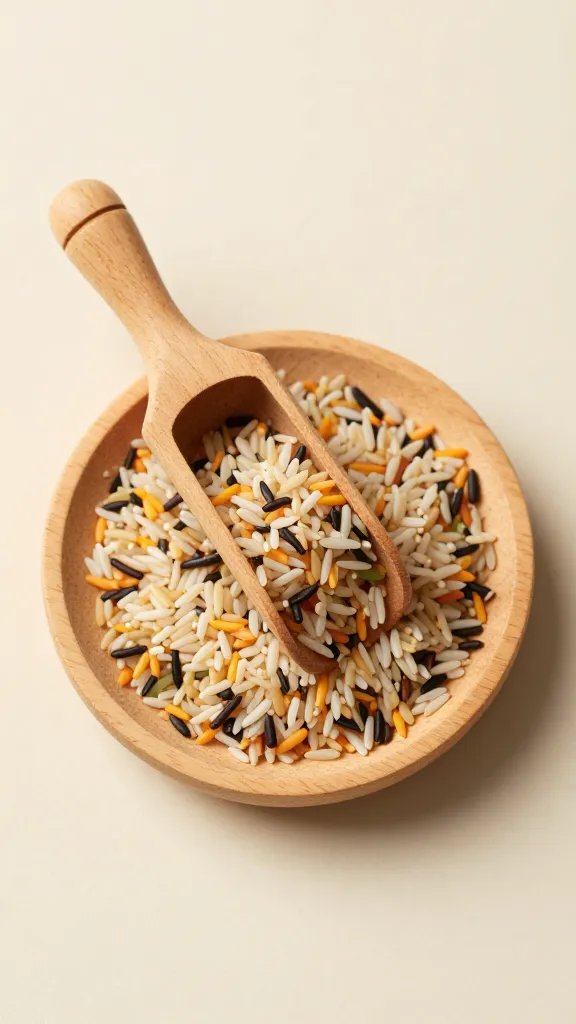
Set up a shallow tray with an assortment of safe textures: velvet, yarn, bubble wrap, fabric swatches, and rice or beans for scooping. Provide a few simple tools like a small scoop or spoon and a tray liner to cut mess. The aim is slow, repetitive exploration that centers the senses. It travels well between rooms or a kitchen table with a towel underneath. Time to assemble: 20 minutes.
Cleanup tip: line the tray with a disposable mat or placemat to simplify post play cleanup.
6. Glow in the Dark Sticker Grid
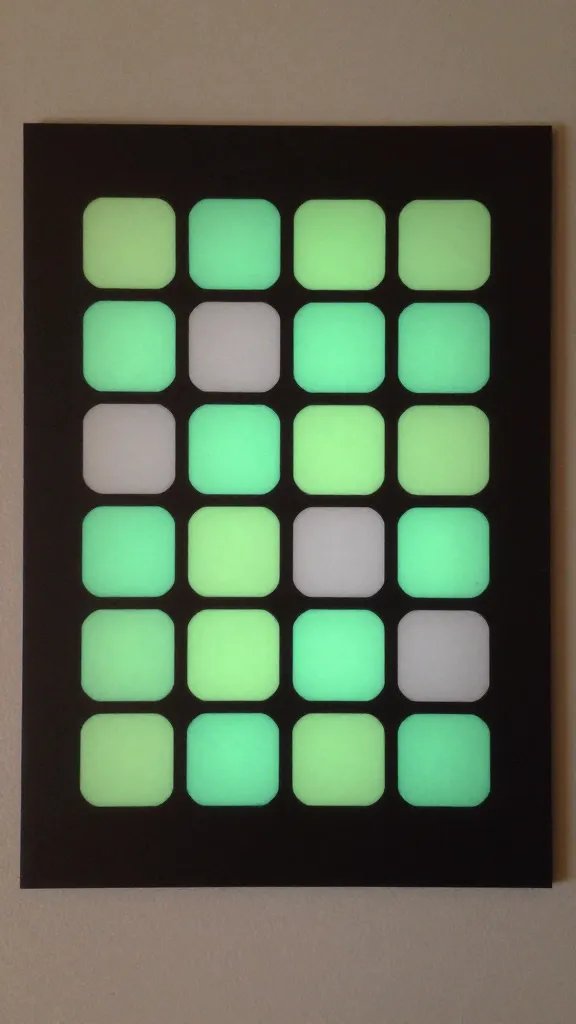
Choose a dark poster board and supply a sheet of large, soft stickers. Kids create a grid pattern with blocks of color that glow faintly under room light. The glow effect is gentle, not loud, and the grid helps with focus. This project is quick: 15–20 minutes to place the stickers and another 5 to show the glow. A light hand with the backing paper keeps pieces from curling.
What to remember: avoid tiny stickers that are hard to handle for small hands.
7. Balloon Scented Cloud Mobiles
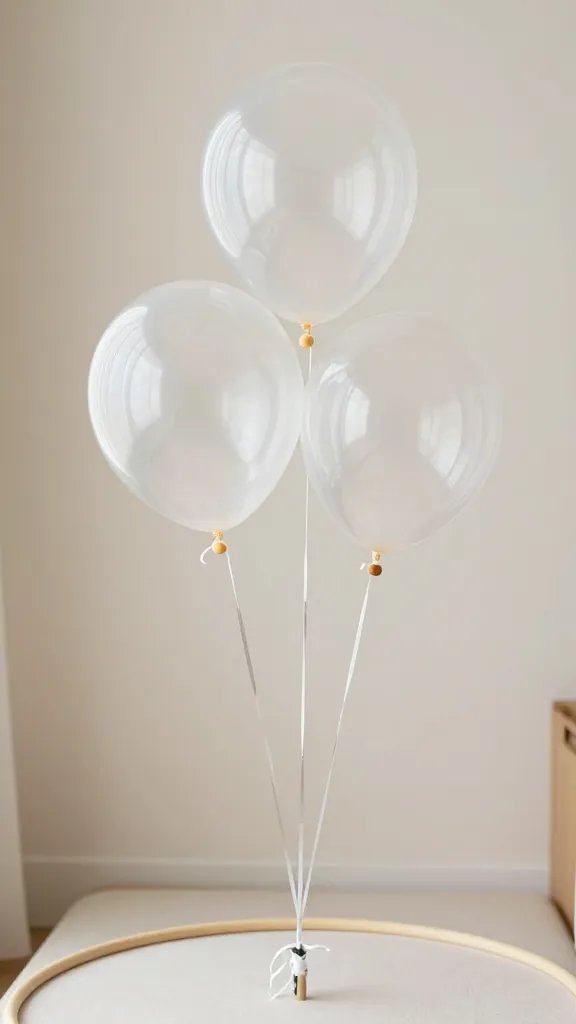
Fill a few clear balloons with a faint air scent (vanilla or lemon) and tie them to a branch or a lightweight hoop with soft strings. The result is a floating, scented sculpture that feels gentle and non congestive. Keep the size small to avoid overpowering a space. Assemble in about 15 minutes and hang as a soft feature above a cozy play nook.
Safety note: never tie balloons to strings where kids can pull and swallow.
8. Sand and Water Table Remix
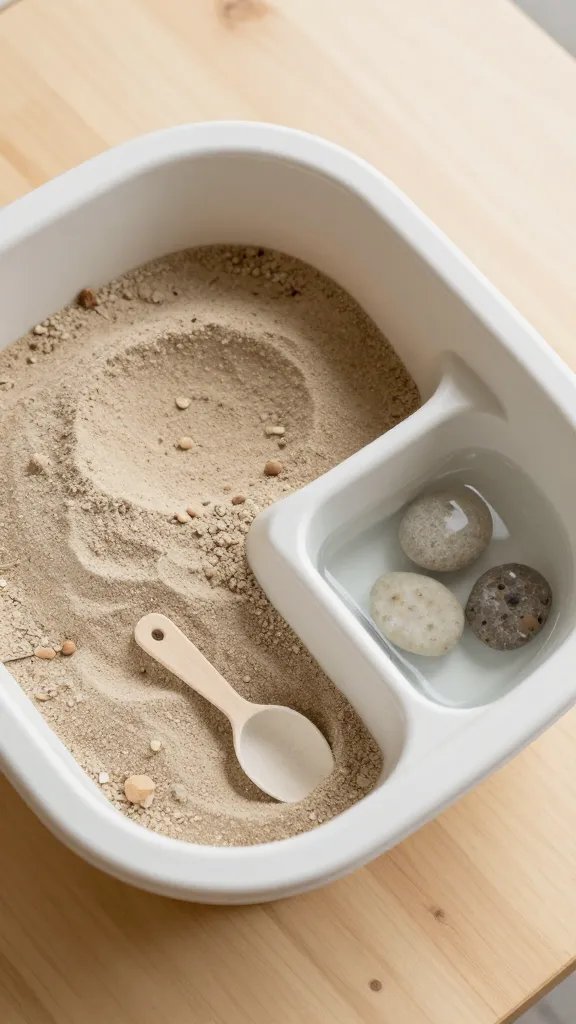
Turn a shallow bin into a small sensory station with two compartments: one with dry sand and one with water. Provide scoops, cups, and a few small, smooth stones. Keep the water level modest to avoid splashes and noise, and use a towel under the bin for quick cleanup. This setup is modular, so you can move it around or stash it away when not in use. Time to assemble 10–15 minutes.
Cleanup tip: a damp cloth and a small squeegee keep the border tidy.
9. Soft Object Matching Game
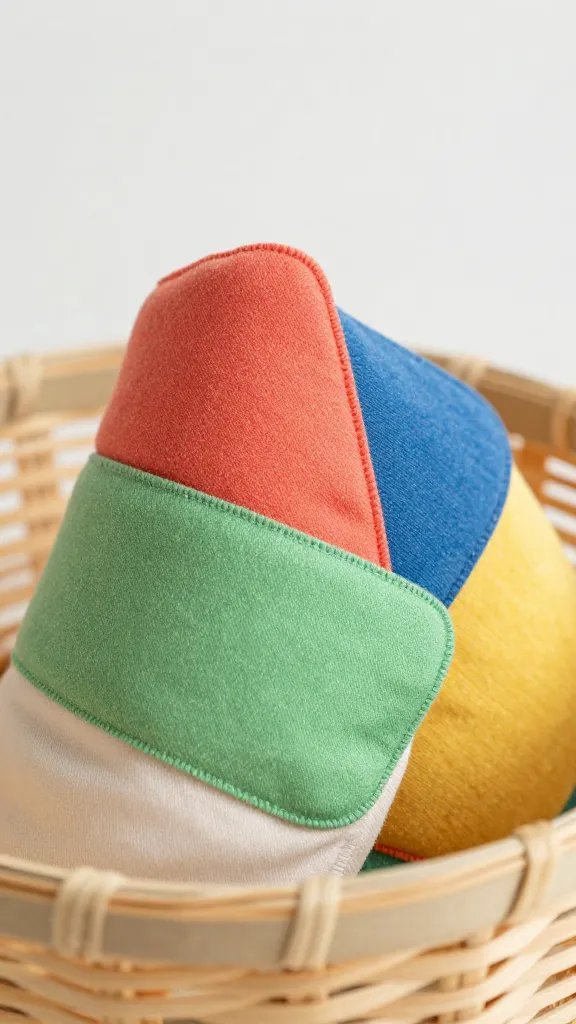
Choose a handful of soft, colorful fabric shapes. Hide duplicates in a shallow basket and invite kids to match pairs by texture or color. The game can be played solo or with a partner, and it scales easily for a crowd. Prepare 12–20 minutes to cut, label with simple texture names, and set out. A calm timer helps pacing and reduces noise.
Use what you have: scraps from old clothing or washable fabric remnants work well.
10. Acoustic Mini Banner Workshop
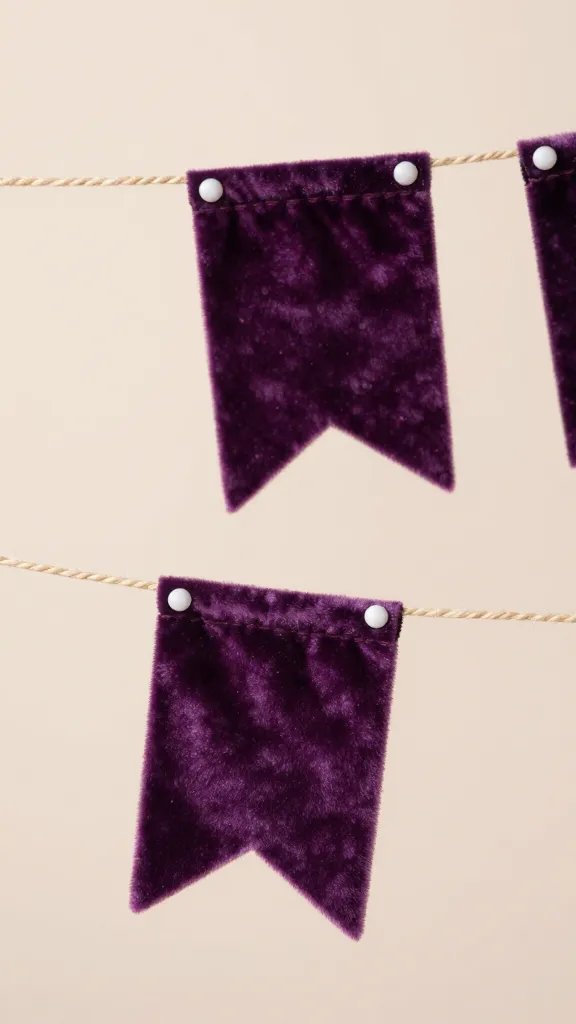
Cut several short fabric flags and thread them onto twine with fabric glue or a simple knot. Instead of loud banners, choose soft colors and textures like velvet, felt, or satin. Let kids press and place each flag with a tiny dot of glue. This banner takes about 20–30 minutes and results in a quiet, photogenic backdrop for snacks or a play corner.
Make it ahead: pre-cut flags and provide the twine so kids can focus on placement.
11. Quiet Quill Rollers
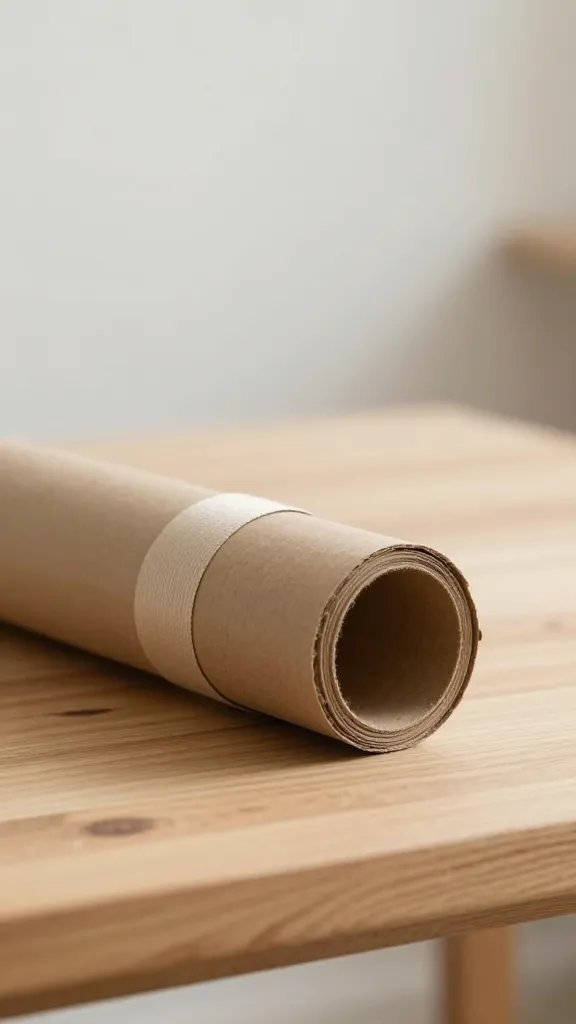
Give kids a cardboard tube, a small amount of ribbon or tissue, and a few glue dots to wrap and decorate. They roll the tube along a sheet of paper to create a soft, linear pattern. Keep the pace gentle and let kids decide the rhythm. This project asks for minimal supervision and yields a printable paper sheet for later crafts or wrapping. Time: 15–20 minutes.
Best for: calm, focused activity in a small space.
12. Texture Cork Board Art
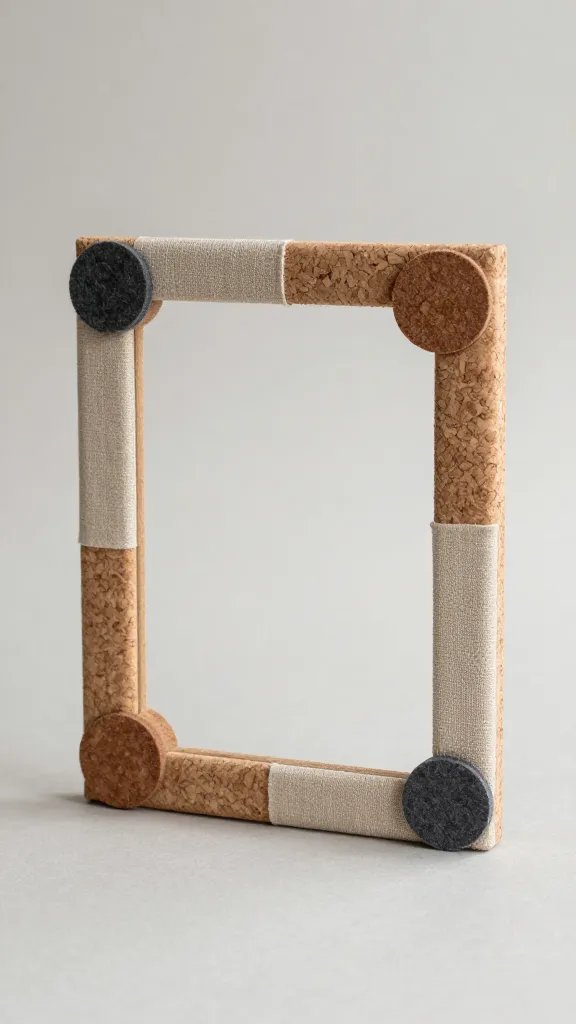
Glue a few cork tiles to a frame and allow kids to press fabric patches, buttons (large and secure), and soft felt circles onto the cork. The result is a tactile mosaic kids can proudly hang. Keep the layout simple and suggest a color palette to avoid sensory overload. Assembly takes about 25–35 minutes plus dry time for glue.
Safety note: avoid small parts; buttons should be large enough not to pose a choking risk.
13. Paper Plate Soundless Mobiles
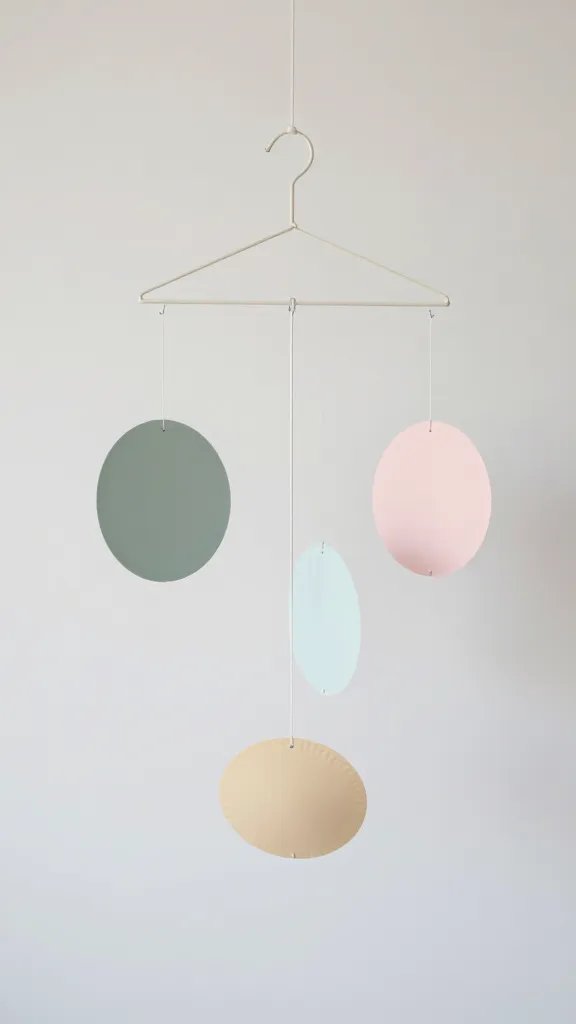
Cut shapes from sturdy colored paper and attach them to a lightweight hanger with string. Use only fluttery shapes that make soft, quiet movements in the breeze. The project is visually gentle and avoids loud components. It’s quick—about 15–20 minutes to assemble—and ends in a mobile that moves without sound.
Copy the look: layer two colors for depth without adding texture that might bother sensitive ears.
14. Calming Color Mixing Cards
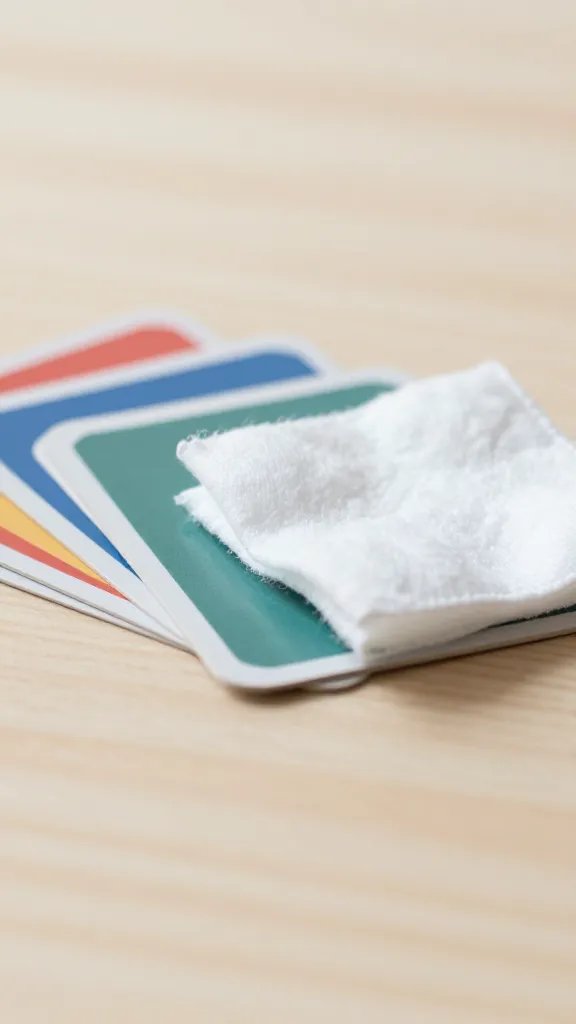
Cut cards from thick cardstock and label them with a color name. Provide small, damp cotton pads or tissue squares to blend colors on each card, creating soft swatches. This lowers visual clutter while teaching color and texture in a controlled way. Time to set up: 20 minutes, plus a quick demo to guide kids.
What to swap: if you don’t have paints, use color pencils and a blending cloth for a different texture.
Paying attention to little comforts at a party makes a big difference for kids with sensory issues. These ideas keep things calm, tactile, and doable in quick bursts. Save this list for the next small celebration, and tweak the textures and colors to fit your space and crowd. save this for the next birthday that sneaks up on you.