15 Educational Crafts for Kids

Parents want activities that keep little hands busy and minds curious, without turning the house into a glitter battlefield. The goal is crafts that teach simple skills, spark problem solving, and fit into a busy week. These ideas are designed to be doable with common supplies, and to finish with something a kid can be proud of. You’ll find clear steps, safety tips, and quick swaps so you can tailor each project to what you have on hand.
Below you’ll find educational crafts that work for a range of ages and attention spans, with options to scale up or down. Use them as quick after school projects, party ideas, or weekend learning bursts. Let’s dive in and get hands on with creativity that sticks.
1. Build a Weather Station Jar

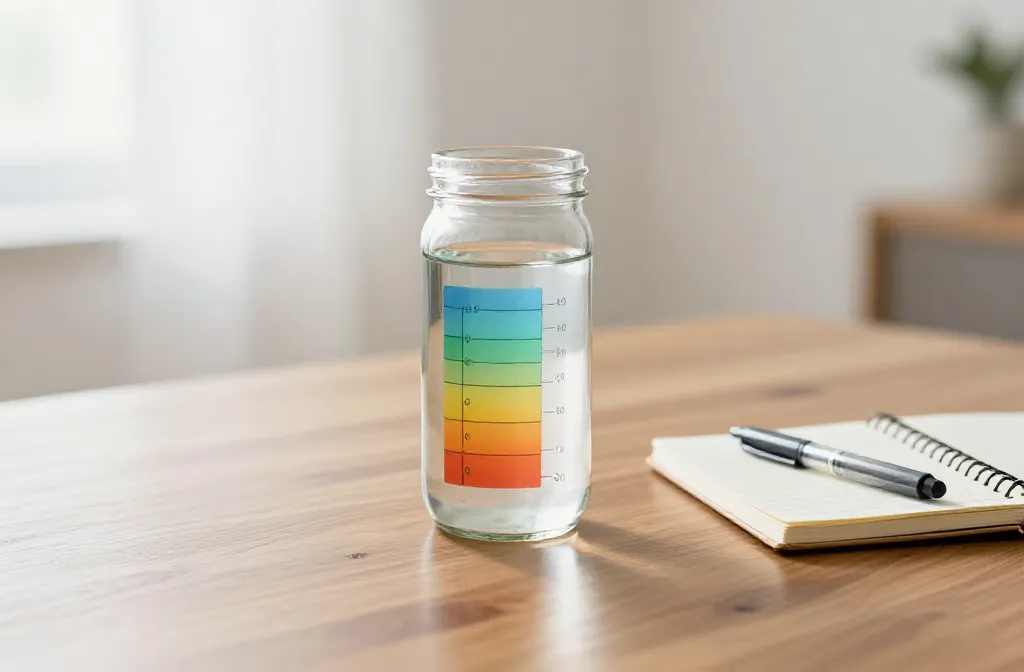
Kids learn basic science by observing seasonal changes in a simple jar. Fill a clear jar with water, add a drop of food coloring, and label sections for sunny, windy, rainy, and snowy indicators. Each day, the child notes what’s visible through the jar and compares it to yesterday.
What to include: a small notebook, a waterproof pen, a sticker to seal the label. Copy the look: use a jar with a wide mouth so adding accessories is easy. If you want to simplify, skip the weather icons and just track the color tint changes over time.
2. Alphabet Treasure Hunt Cards

Turn a simple deck of cards into a literacy hunt. Create 26 cards, each with a large letter and a clue that starts with that letter. Hide them around a room and let kids search to find and name the letter. This works well for pre readers who know the letter sounds.
Supply run: index cards, marker, printer if you want neat letters. Playtime note: hide clues in soft spaces so little hands aren’t frustrated. A quicker version uses five to ten letters for a shorter hunt.
3. Color Mixing With Ice Cube Art

Teach color theory with a simple, mess-light art activity. Freeze water in an ice tray with a drop of food coloring in each cube. As the ice melts on a sheet of paper, kids watch primary colors blend into secondary hues.
Kid friendly: place a tray under the paper to catch drips. Cleanup tip: a damp cloth near the art station makes quick clean up. If time is short, use only two primary colors for a quick peek at blending.
4. Shape Scavenger Sorting Game

Sort household items by shapes to build geometry sense. Provide a labeled tray for circles, squares, triangles, and rectangles. Kids hunt around the room or a defined area and place items into the correct bin. This builds categorization skills and spatial awareness.
What to avoid: small pieces that pose choking risks for younger kids. Best for: mixed age groups; older kids can lead the sorting rounds for younger siblings.
5. Paper Bag Puppets — Story Sequencing

Turn a grocery bag into a character and tell a short story through a sequence of poses. Draw or glue features, then lay out a simple storyboard with three to five panels. Kids narrate how the story moves from beginning to end as they swap puppet actions.
Make it ahead: pre-cut shapes and faces you can glue on; kids add the final touches. One small change: use sock puppets for older kids who want more expression.
6. Sink or Float Investigation Tray
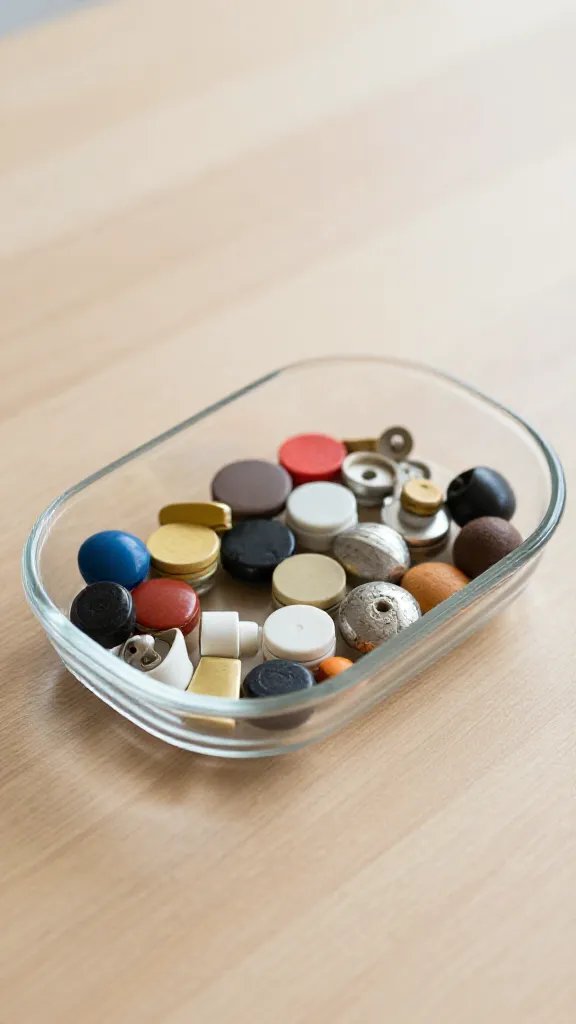
Explore density with a shallow tray of water and a collection of small objects. Have kids predict which items will float and which will sink, then test and sort by outcome. The activity strengthens observation and measurement thinking.
Time saver: pick ten easy items from around the house. Safety note: keep this to a table surface away from edges to avoid spills on electronics.
7. DIY Numbers and Letters Sensory Bag

Fill a clear resealable bag with hair gel or bubble solution and insert foam numbers and letters. Kids press and tilt the bag to trace shapes and spell words, creating a tactile connection to early literacy.
Use what you have: adapt with colorful beads or buttons sealed inside. Make it easier: start with three letters or digits and build up.
8. Leaf Rriction Printing

Turn nature into art with leaf prints. Collect leaves, flatten them, and brush the underside with safe paint. Press onto paper to reveal veined textures. Then label each print with its leaf type or season for a tiny science note.
Best for: outdoor start to a nature study. Keep it simple: only three leaf shapes for younger kids to recognize.
9. Shadow Tracing Fun

Set up a sunny window or lamp and trace the shadows of small toys onto paper. This introduces concepts of light, position, and scale as kids compare shadow sizes as the day changes.
Time tip: keep tracing sessions short and intersperse with quick discussion prompts like “why did the shadow move?”
10. Simple Plant Lab
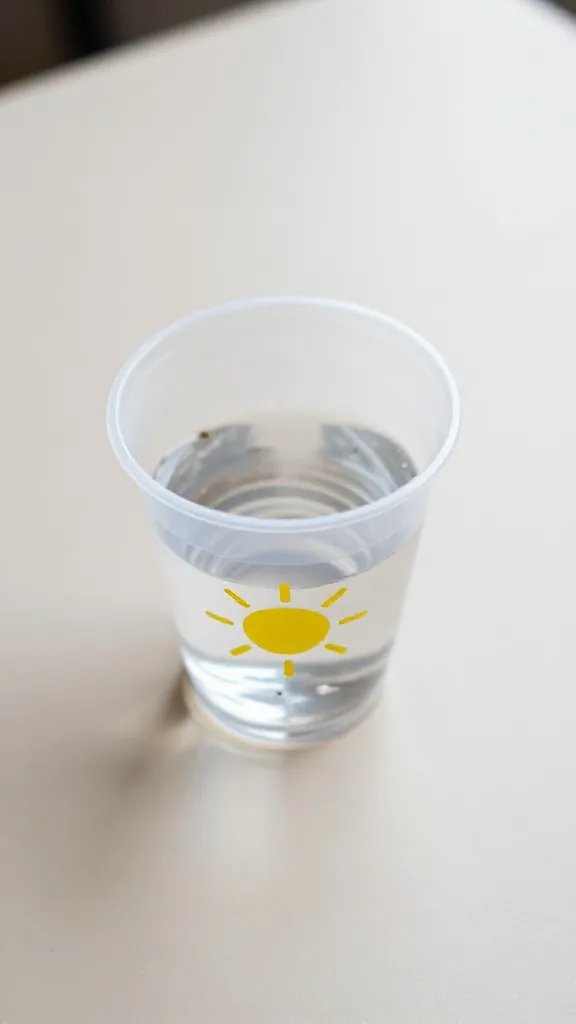
Plant a tiny seed in a plastic cup with labeled sides for sun, water, and soil. Track growth over a week, and discuss what plants need to thrive. A quick version uses a fast sprouting herb like basil or chives.
Safety note: let an adult plant seeds if the child is very young. Storage tip: reuse the cups as markers for future experiments.
11. DIY Time Capsule Binder

Create a mini binder with a few pages: photo of a current favorite toy, a drawing, a sentence about a goal, and a small keepsake. Seal it with a date and plan to reopen next year or at a milestone. It pairs creative memory making with reflection.
Make it ahead: print or cut pages in advance; kids add 1 new item per project. Better for: kids who enjoy journaling or drawing.
12. Kitchen Chemistry: Bubbles and Gels

Explore safe reactions using simple kitchen ingredients. Mix a small amount of dish soap with water and a pinch of baking soda and vinegar to observe fizzing. Use a tray and paper towels for a quick cleanup and a post activity reflection.
To keep it calm: limit the amount of liquid; this keeps the mess minimal. Skill focus: cause and effect, measurement basics, and observation.
13. Mini Recorders: Sound Shaker Craft

Teach sound and rhythm with a simple shaker. Fill a small, sealed container with dried beans or rice and decorate the exterior with tape, paper, and markers. Shake to hear the beat and discuss why different fillings create different sounds.
Safety note: avoid loose pieces that could come off. Better version: use a sealed bottle with a lid for younger kids.
14. Cardboard City Map
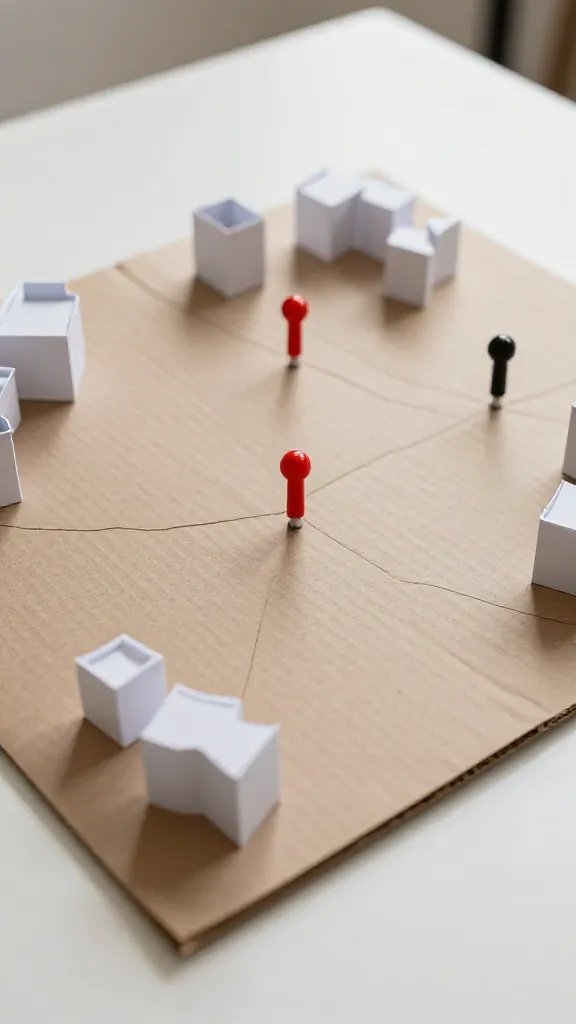
Give kids a sheet of cardboard and markers to design a small map showing roads, parks, and homes. Add paper cutouts to stand for buildings, then discuss map reading basics like symbols and directions.
What to swap: switch to a printable grid map if you need quick setup. Best for: a quiet afternoon or a birthday party literacy corner.
15. Sticker Storyboards

Provide sheets of themed stickers and a blank storyboard with five panels. Kids arrange stickers to tell a simple story sequence. This teaches sequencing, narrative thinking, and fine motor control as they peel and place tiny pieces.
Make it ahead: pre-punch the storyboard pages from a binder. Kid friendly: encourage older kids to write a caption under each panel.
Gather these ideas and pick a few that fit your week. Each craft is designed to be actionable, affordable, and educational, so kids stay engaged without chaos. Save this for the next birthday that sneaks up on you.