
How to Price Your Handmade Decor If You Want to Sell It

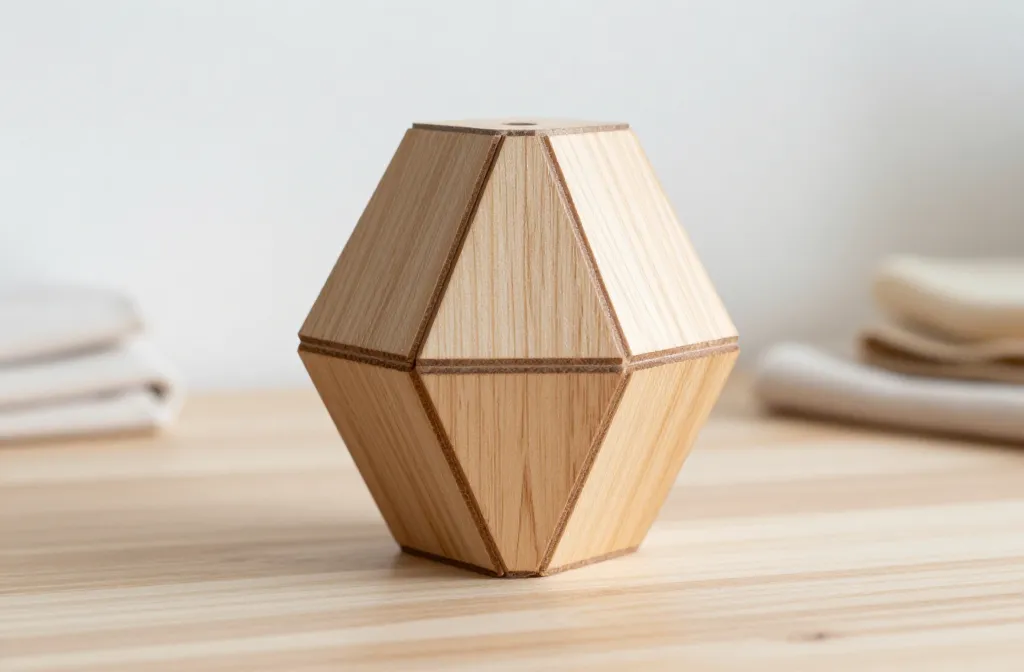
An unforgettable price tag can feel like magic. But it’s mostly math mixed with guts, grit, and a dash of smart intuition. Here’s how to price your handmade decor so you actually sell, without starving your creativity in the process.
1. Nail Your Costs (All the Way Down to the Glue)
You can’t price what you don’t know. Start by tallying every expense, big or small, that goes into a piece.
- Materials: beads, wood, fabric, paint—everything you touch.
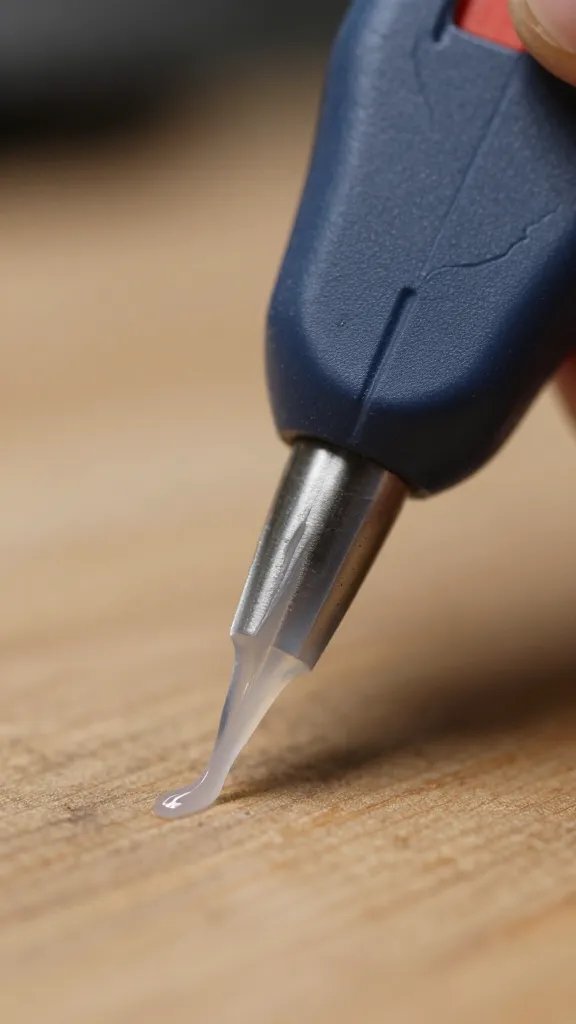
- Tools and depreciation: sanding blocks, blades, and the wear on your favorite glue gun.
- Overhead: electricity, workshop space, packaging materials, and shipping supplies.
- Labor: time is money, even if you enjoy the process. Track hours honestly.
- Business costs: fees, taxes, insurance, marketing, and a little cushion for growth.
Write it all down until you can reproduce the exact cost for a single piece. FYI, your costs will rise as you scale, so build in a buffer.
2. Choose a Pricing Method You Can Live With
There isn’t a universal magic formula. Pick one that fits your vibe and stick to it.
Option A: Cost-Plus (Simple and Honest)
Add up all costs per piece and tack on a profit margin.
- Target Margin: 30-50% is common for handmade decor.
- Formula: Cost per piece × (1 + Margin).
Pros: Easy to explain to customers. Cons: Can undervalue high-skill pieces or overprice items with low material costs.
Option B: Time-Based (Fair if you’re fast, brutal if you’re not)
Charge for the real hours you put in, plus materials.
- Hourly rate: decide what your time is worth.
- Minimums: set a base price to ensure you don’t undercut yourself on small pieces.
Pros: Rewards craftsmanship. Cons: Difficult to compare with mass-made items.
Option C: Tiered Pricing (Keeps things inclusive)
Price by complexity, size, or finish.
- Base piece + add-ons: finish, hardware upgrades, custom colors.
- Upgrade ladder: clearly show customers what they get at each level.
Pros: Flexibility and perceived value. Cons: Requires clear communication.
3. Understand Perceived Value (Yes, It’s Real)

Your price isn’t just a math problem: it’s what customers believe your piece is worth.
- Story matters: where the piece came from, the process, and the inspiration.
- Quality signals: flawless finishes, durable hardware, professional photography.
- Uniqueness: limited runs or one-of-a-kind pieces boost value.
Hint: highlight the craft behind the piece. People buy stories as much as they buy decor.
4. Consider Market Realities (Know Your Scene)
Prices aren’t decided in a vacuum. Check the current landscape.
- Competitors: what do similar pieces cost? What’s their quality like?
- Audience: who buys handmade decor in your niche? Are they bargain seekers or collectors?
- Platform quirks: Etsy, Instagram, local fairs—each has its own pricing culture.
Tip: price in a way that leaves room for promotions (not every piece should be a sale magnet) and a little wiggle room for negotiation.
5. Build in a Clear Pricing Story
Your price should tell a story without you saying a word.
- Transparent breakdown: a short, friendly note on why a piece costs what it does.
- Value cues: show close-ups of materials, a behind-the-scenes shot, or a short video of the making process.
- Packaging impact: beautiful, sustainable packaging can justify a higher price.
Pro move: couple price with a return policy that respects your time and effort. People love clarity.
6. Handles and Handoff: Packaging That Doesn’t Punish Your Profit
Packaging is part of the customer experience—and it affects your margins.
- Materials: sturdy boxes, protective wrap, tissue, and branding inserts.
- Shipping: calculate average weight and dimensions; consider flat-rate options if they fit.
- Branding: a little thank-you note or care guide adds value.
If packaging eats too much of your margin, optimize with cost-conscious choices or offer a “warehouse pickup” option for local buyers.
7. Test, Learn, Iterate (The Price Is Not Final, Ever)
Pricing is an ongoing experiment, not a one-and-done decision.
Subsection: A/B Pricing Experiments
Try two price points for similar items in the same week and compare demand.
- Higher price, lower volume? You might be leaving money on the table.
- Lower price, higher volume? You could be training buyers to expect discounts.
Subsection: Seasonal Shifts
Update pricing for peak seasons, holidays, or local craft fairs. A small bump can feel totally justified during busy times.
8. Communicate Your Boundaries (Yes, People Will Push)
Not every request deserves a discount, especially if it means devaluing your time.
- Discounts: reserve for bundles, local pickup, or loyal customers.
- Custom work: price customization separately so you don’t blur your baseline.
- Polite but firm: “This price reflects the materials, time, and care that go into it.”
Impressive pricing is also about confident delivery, not apologies.
9. FAQ: Common Pricing Dilemmas Answered
Q1: How do I price one-off pieces vs. repeat items?
For one-offs, lean into the scarcity premium and add a little more for the unique story. For repeats, you can apply a standard margin but use volume discounts to reward loyal buyers. The key is consistency so buyers feel they’re getting a fair deal every time.
Q2: Should I charge more for custom orders?
Yes, because you’re doing bespoke work: design approvals, revisions, and the risk that a custom piece might not sell. Present a clear custom quote that includes a design fee, material markups, and a final agreed price.
Q3: How do I handle international shipping pricing?
Calculate weight and dimensions, then use a reliable carrier rate. Build in a buffer for duties and taxes when needed. Offer a local pickup option to avoid the drama of international shipping altogether.
Q4: What if my pieces aren’t selling at my price?
Analyse the data: which items are close to your price ceiling? Are your product photos doing the work? Could you improve the story or offer a bundle? Sometimes small tweaks beat big price cuts.
Q5: How often should I revisit pricing?
At minimum, review quarterly or after a major change (new materials, bigger pieces, big platform fee changes). If you’re in a growth phase, monthly price checks can save your margins.
Q6: Do discounts ruin perceived value?
Discounts can backfire if overused. Use them strategically—seasonal bursts, end-of-season clearouts, or loyal customer rewards. Always communicate why the discount exists.
Conclusion
If you want to sell handmade decor without feeling like you’re selling your soul, price with honesty, strategy, and a touch of storytelling. Start by mapping every cost, pick a pricing method that fits your work, and be willing to tweak as you learn. Your future buyers don’t just buy a piece of decor—they invest in you, your process, and the vibe you bring to their space. So price with confidence, and keep making things you love.