
How to Make Homemade Decor Look Store Bought

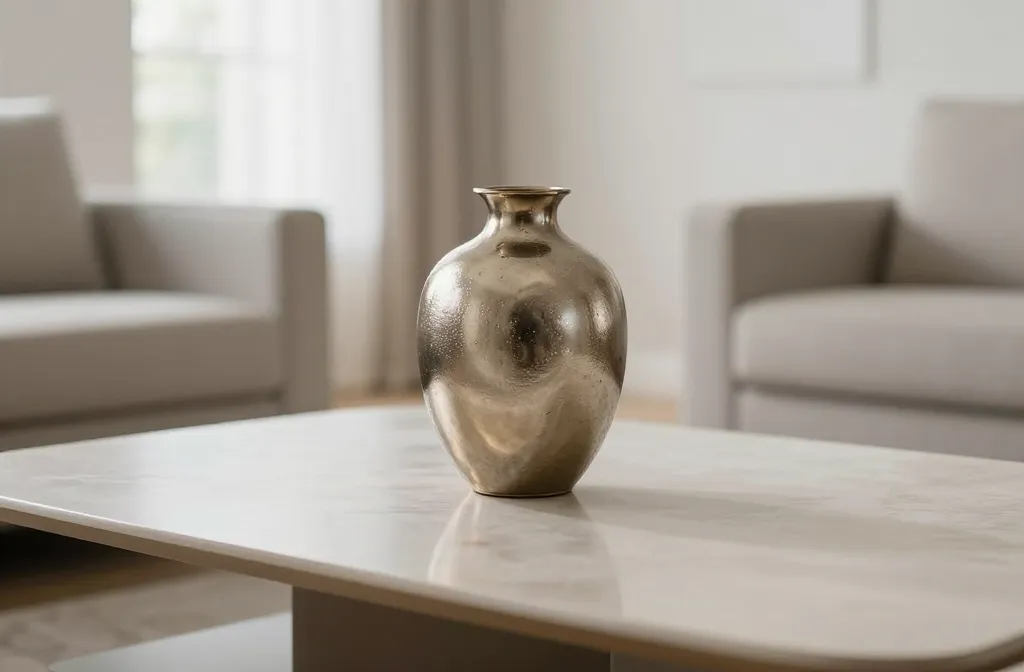
An enthusiastic, practical guide to making homemade decor look store bought without begging for mercy from your credit card. You’ll learn slick tricks, budget-friendly hacks, and a few sneaky details that separate “wow” from “meh.” Let’s turn your DIY projects into head-turning, photo-ready pieces—minus the sticker shock.
Set the stage: same vibe, smarter materials
– Choose faux that fools the eye: pick textures and finishes that look premium in person and online.
– Invest in a few repeatable elements: consistent color palettes, hardware styles, and finishes unify a room’s look.
– Don’t chase perfection—chase cohesion. A few well-chosen details beat a bunch of random stuff every time.
Nail the paint job: color, finish, and technique
Painting can make or break a DIY piece. Here’s how to get it right without turning into a paint disaster.
- Prep like a pro: clean, sand lightly, and prime when needed. FYI, properly prepped surfaces yield fewer flakes and longer life.
- Color strategy: pick on-trend hues that pair with your existing furniture. Don’t vary too wildly—too many colors scream “DIY in progress.”
- Finish matters: matte is chic, satin leans toward store-bought vibes, and gloss is for statement pieces. Test on a hidden spot first.
- Technique: thin coats, dry between layers, and use steady, long strokes. Insist on even coverage—no brushstrokes as a feature here.
Frame and glass magic
Sometimes the difference is in the frame or the glass. Swap out dated hardware, add a glass top with a beveled edge, or use mirror sheets to fake a high-end finish. Subtle acrylic legs can lift a project and look surprisingly luxe.
Textures that fool the eye: fabric, wicker, and surfaces
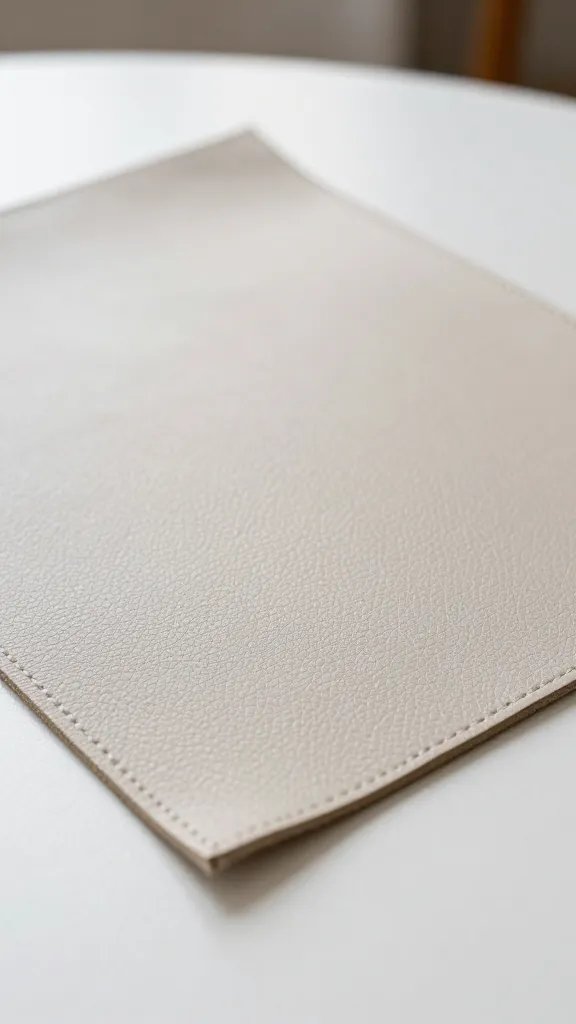
Texture sells the illusion of quality. Here’s how to layer textures without cluttering the space.
- Fabric accents: choose high-quality faux linen, velvet, or wool blends. Nail a clean seam and attention-grabbing trim.
- Wicker and rattan: mix new with vintage for that “lived-in” vibe that reads expensive.
- Surface finishes: faux marble, stone, or metallics can elevate a piece—just don’t overdo the shine.
Detailing that reads premium
Add tiny touches that scream “store bought” in a good way: perfectly aligned edges, matched grain in wood, and consistent spacing on hardware. Precision is your best friend here.
Hardware and fittings: the tiny things that matter
Hardware can drastically change the perceived value of a piece. Here’s how to choose wisely.
- Metal finishes: keep to one or two finishes in a room to avoid chaotic vibes.
- Size and scale: match drawer pulls and knobs to the size of the piece. Oversized or undersized hardware breaks the look.
- Quality cues: opt for heavier feel, smooth action, and secure mounting. It’s the small things that read “premium.”
Dialing in the joinery
Hidden details matter. Use good corner brackets, clean butt joints, and where possible, modern fasteners that vanish into the design. The furniture that lasts looks like it was bought, not built in a weekend.
Lighting: the unsung hero
Lighting changes everything. Good lighting can make even modest pieces look high-end.
- Use warm bulbs to mimic retail lighting; avoid harsh daylight tones indoors.
- Layer light: a mix of ambient, task, and accent lighting creates depth and highlights details.
- Fixtures with clean lines and metallic finishes pair well with DIY pieces for that “designer chic” finish.
Smart placements for maximum impact
Position pieces to catch natural light or to anchor a corner with a statement lamp. FYI, scale your shadows—proper lighting can add drama or soften rough edges.
Finishing touches: display, spacing, and storytelling
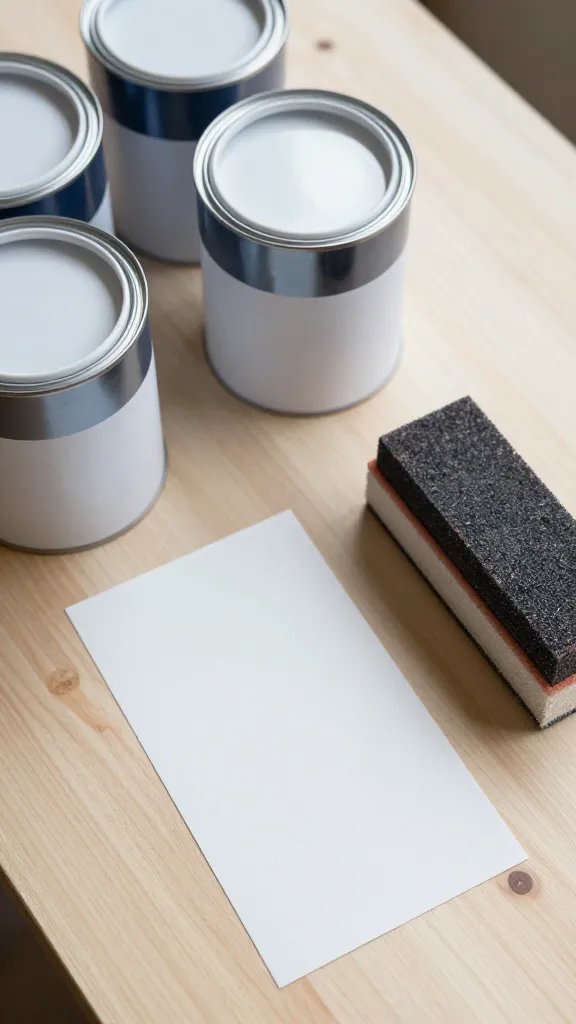
The final polish is how you present your decor so it feels store bought, not cobbled together.
- Staging matters: group items in odd numbers, mix heights, and leave breathing room. Shelves aren’t a museum—let pieces shine.
- Analog storytelling: pair a DIY ottoman with a curated book collection or plants to create a lived-in luxe vibe.
- Protect and preserve: a light sealant or wax can elevate texture and durability while keeping the sheen consistent.
Common pitfalls and quick fixes
We’ve all been there. Here are easy traps to avoid and how to fix them fast.
- Over-saturation: too many layers of paint or finish kill the look. Wipe back and re-seal if needed.
- Inconsistent color: test colors under the actual lighting of the room before committing.
- Visible seams: use filler and sand so seams vanish. Seamless is store-bought magic.
FAQ
How can I make paint look like a premium finish?
Choose high-quality paints, apply thin coats with a steady hand, and seal with a clear topcoat. Sand lightly between coats for smoothness, and don’t rush the process. The result should feel like real furniture paint, not spray-bomb chic.
What finishes read most expensive for DIY decor?
Matte and satin finishes with subtle texture, reinforced by upscale hardware and coordinated metals. Avoid glossy, over-polished looks unless it’s a deliberate mid-century statement.
Is it necessary to use real materials, or can faux work well?
Faux can work incredibly well if you pick convincing textures and colors. The key is scale, finish, and how you pair pieces with lighting and other decor. FYI, you can fool the eye without breaking the bank.
How do I ensure color consistency across multiple pieces?
Purchase enough of the same paint batch, test swatches in the space, and document the exact shade name and batch number. Then label each can and piece to keep the look cohesive.
What’s the best way to mix DIY pieces with store-bought ones?
Keep a unifying theme: same color family, consistent hardware, and similar metal tones. A few well-chosen store-bought pieces will anchor the room and make your DIYs look intentional, not accidental.
Any quick trick to make hardware pop?
Swap old hardware for fresh, modern pulls in a consistent finish. A tiny change with a big impact—trust me, your drawers will thank you.
Conclusion
If you’re chasing a store-bought vibe without the store-bought price, you’ve got this. Start with a tight palette, quality finishes, and thoughtful details. Don’t forget to step back, critique like a designer, and adjust until everything feels cohesive. You’ll be amazed how smart tweaks can elevate your DIY decor into the same league as retail finds. Happy crafting, and may your shelves finally look magazine-worthy.