
How to Make Taste Safe Craft Supplies for Babies

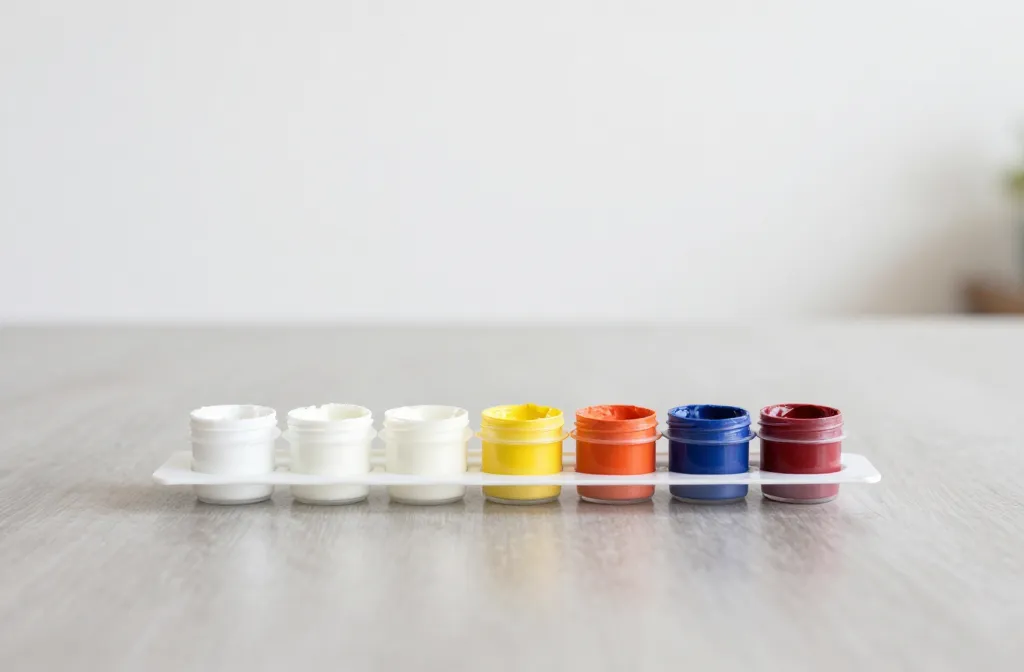
Craft time with babies should feel magical, not nerve-wracking. The goal: playful textures and colors without turning the kitchen into a chemistry lab. Below is a practical, friendly guide to taste-safe craft supplies that parents can actually trust.
What “Taste Safe” Really Means Here
Taste-safe means the materials are non-toxic, edible-ish, and forgiving if little hands decide to sample. It doesn’t mean a snack bar of doom—just smart substitutes that minimize risk. FYI, you’re choosing ingredients that clean easily, won’t stain permanently, and won’t irritate tiny palates.
Base Materials You Can Rely On
- Edible paints made from yogurt, fruit puree, or cream cheese with a splash of natural coloring like beet juice.
- Colorful doughs using flour, salt, water, and a touch of olive oil. Add natural flavorings like vanilla or cocoa powder in tiny amounts, if desired.
- Texture play with cooked pasta, oats, rice, or small-safe edible beads made from agar or gelatin studios—careful with choking hazards.
- Adhesives like honey optional (never for under 12 months) or clear yogurt “glue” for sticking food-safe papers and fabric scraps.
Safety First: Important Dos and Don’ts

- Always supervise during play. Babies explore with mouths, noses, and curious eyebrows—don’t wander off.
- Check for allergies before introducing new edible ingredients. If mom or dad is dairy-free, swap in coconut yogurt or oat yogurt.
- Avoid small parts that could be choking hazards. Keep beads, buttons, and tiny bits out of reach for crawlers and new walkers.
- Test textures on a small patch of skin first. If there’s redness or irritation, pause and reassess.
How to Patch-Test Safely
– Apply a tiny amount of the edible material on the baby’s forearm. Wait 12-24 hours for a reaction. If it’s calm and normal, you’re good to go. If it’s not, swap to a different ingredient. Simple as that.
Edible Colors: Natural Dyes That Actually Work
- Beet juice for pinks and reds. Strong color, mild taste—great for glaze and paint-like textures.
- Turmeric for warm yellows (use sparingly; it stains, but so do memories).
- Blue spirulina or butterfly pea flower tea concentrate for blues and purples. Use tiny amounts to avoid grassy notes.
- Blueberry puree or spinach purée for greens—add to doughs or paints for a natural palette.
Textures that Babes and Parents Both Approve
Texture is where the magic happens. Too-soft can be boring; too-sticky can cause a meltdown. Aim for a spectrum so babies can squish, smear, roll, and explore.
Soft & Squishy
- Rice paste with a drop of honey or maple syrup (for kids over 1 year). It stretches and molds nicely.
- Yogurt-based paints on edible paper (rice paper or dairy-free sheets).
Chalky but Safe Textures
- Oatmeal and flour doughs with fine salt to give a tiny grit that feels fun between fingers.
- Cooked pasta ribbons slathered with a light fruit puree “glue.”
Craft Substitutions That Save Your Sanity
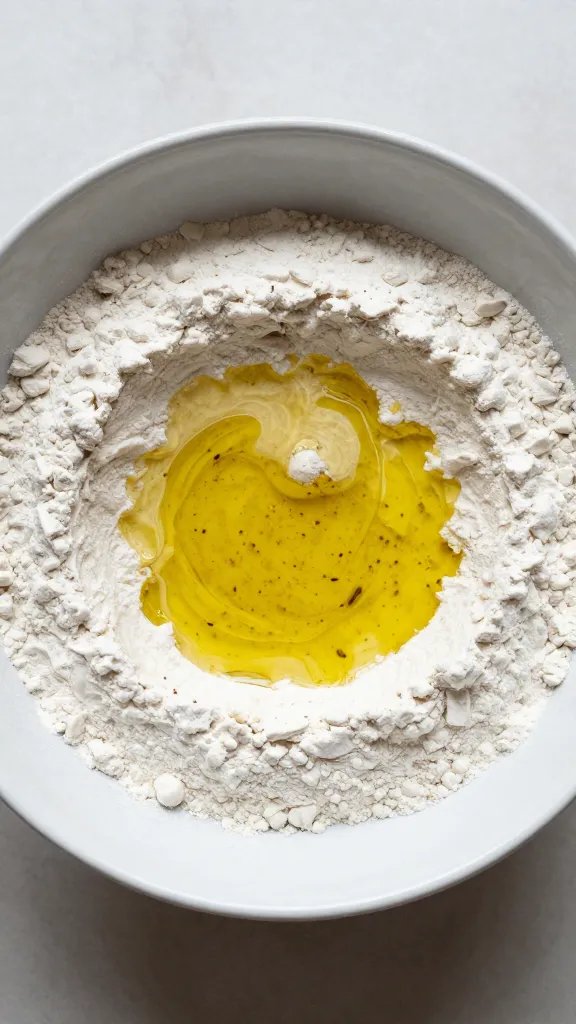
- Glue substitute with thick yogurt or cream cheese mixed with a pinch of cornstarch. It dries clear and washes out easier than you think.
- Gems and beads become edible sugar-coated cereal shapes or small fruit chunks for safe “treasures.”
- Brushes replaced by finger painting or soft pastry brushes dipped in yogurt or fruity glaze.
Deco Ideas: Visually Appealing and Taste-Safe
Presentation matters. When babies see bright colors and interesting textures, they lean in for a taste or two. Keep it playful, not precious.
Edible Paper and Stencils
- Use thin sheets of fruit leather or dried yogurt sheets as “paper” for stamping edible patterns.
- Stencils cut from fruit leather work great for fun shapes that babies can lick or nibble.
Safe Painting Techniques
- Dip fingers in yogurt mixed with a hint of pureed fruit and let baby “draw” on a clean silicone mat.
- Brush edible glaze across soft fruit skins to create glossy, stain-free art that cleans up fast.
Cleaning Up Without a Mutiny
- Prep a dedicated, easy-access cleaning station: a shallow tub, warm water, mild soap, and a few towels.
- Wash edible art items after play. Don’t reuse paint containers if they’ve housed raw ingredients that could harbor bacteria.
- Keep naps and snacks on a routine—less chaos means fewer messes and happier caregivers.
Smart Storage Tips for Busy Parents
- Store dry ingredients in clearly labeled jars. Make it effortless to grab and go.
- Freeze small portions of edible doughs to keep them fresh. Thaw before use to avoid awkward cold textures.
- Label color-pairings for quick setup: “pink-beet” or “green-spinach.”
FAQ
Is everything edible in these crafts truly safe for babies?
Not every item is meant for ingestion, especially for very young babies who explore with their mouths. Think of these supplies as taste-safe, not eat-all-you-can. Always supervise, and choose ingredients with no added salt, sugar, or choking hazards. If in doubt, skip the edible route and use non-toxic, baby-safe art supplies for the surface touches.
What age is appropriate for taste-safe crafts?
Generally, 6-12 months is a sweet spot for exploring textures with supervision. As babies grow, you can introduce more varied textures and light flavors. Always tailor to your child’s development and allergy profile. If your pediatrician has given specific guidance, follow that first.
How do I avoid staining while still making vibrant colors?
Natural dyes stain less aggressively than synthetic ones, but they can leave a mark. Test on a small area first and use edible papers or silicone mats to contain the colors. Wearing an old shirt or using a bib helps keep your outfits intact. FYI, stains fade with a gentle wash, usually within a day or two.
Can I reuse craft materials across activities?
Yes, with caution. Reuse dry materials like edible doughs and colorants after proper cleaning and safe storage. If a material touched raw food or has been in contact with saliva, discard and replace it to avoid bacterial growth. IMO, fresh is best for little explorers.
What if my baby chokes or bites off a larger piece?
Immediate action is crucial. If choking occurs, follow standard choking protocol and seek medical help. For bites or minor gagging, remove the item, offer water or milk (if age-appropriate), and monitor. If there’s any concern about breathing or prolonged distress, call emergency services. Better safe than sorry, right?
Conclusion
Craft play can be magical, safe, and deliciously imaginative all at once. With taste-safe ingredients, simple textures, and thoughtful cleanup, you’ll create memorable moments without the stress. IMO, the right approach is playful experimentation, a dash of natural color, and plenty of supervision. So gather your edible paints, doughs, and tiny treasures, and let your baby’s creativity run wild—within safe, tasty bounds.