
Cardboard vs Foam Board Which to Use for School Projects

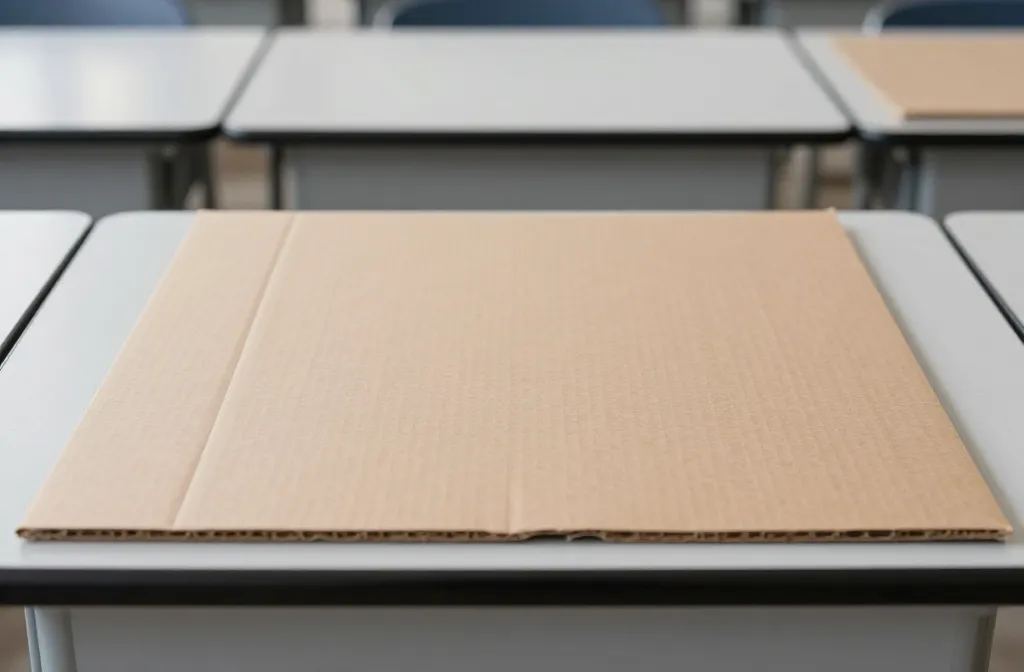
An instant showdown you can actually use in class tomorrow. Cardboard and foam board both want your project to shine, but only one will make your display pop without melting under a hot desk lamp. Let’s break down which material suits your vibe and why.
Why This Decision Matters More Than You Think
Choosing the right board sets the tone for your project. It affects durability, weight, and how you present your findings. Do you need fancy graphs or a sturdy model? Will you be carrying it across campus nonstop? Answering these questions upfront saves you from last-minute stress and a disappointed teacher.
What Cardboard Brings to the Table
Cardboard is the budget-friendly veteran of the classroom. It’s forgiving, easy to cut, and can be primed to look surprisingly polished with a little paint.
- Cost: Usually the cheapest option. FYI, you can raid the recycling bin and still look like you planned it for weeks.
- Ease of use: Scissors, a craft knife, and a hot glue gun make quick work of builds.
- Texture and finish: Natural, rustic, and you can evoke “handmade” charm with minimal effort.
- Durability: Moderate. It dents easily but absorbs impact well when reinforced with internal supports.
When cardboard shines in practice
Cardboard works wonders for paper-and-graphics displays, pop-up elements, or lightweight dioramas. If your project relies on folded structures or a DIY vibe, cardboard is your friend. Just don’t expect it to survive a backpack ambush unscathed.
Foam Board: The Light, Sturdy Contender
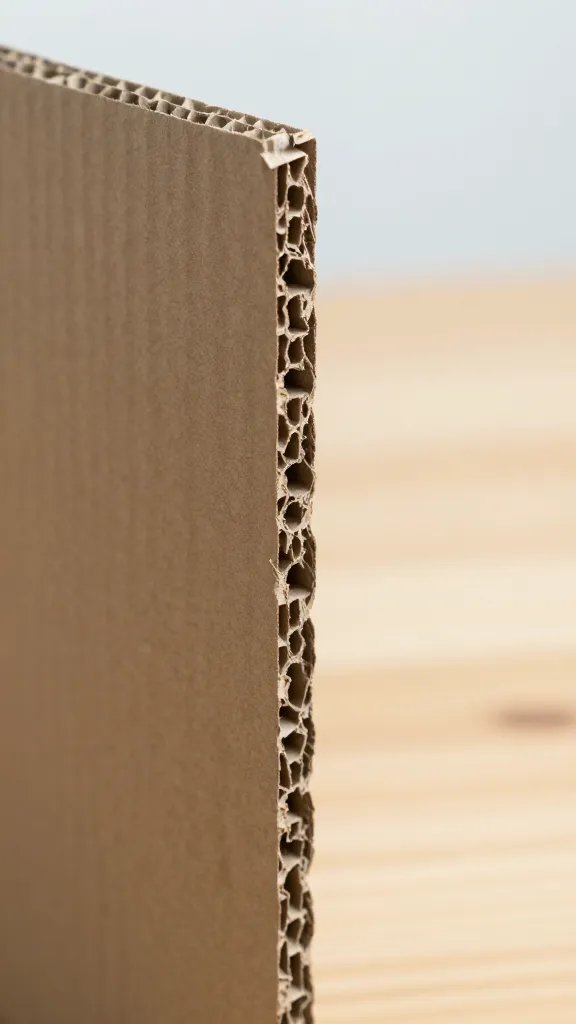
Foam board (often called foam core) is the sleek, professional option. It’s lightweight, rigid, and takes mounting materials like a champ.
- Weight: Feather-light, so your display won’t wreck your back.
- Rigidity: Keeps angles sharp and lines clean, which helps when you’re showing graphs or printed images.
- Finish: Smoother surface for painting, laminated photos, and crisp cuts.
- Durability: More resistant to bending than cardboard, but it can crack if you punch through it with too much force.
When foam board shines in practice
If you’re building a clean, professional-looking display with precise panels, foam board is the MVP. It handles mounting heavier elements and looks sleek under classroom lighting. Just don’t stack it too high—gravity will remind you who’s boss.
Practical Comparisons: Where the Rubber Meets the Road
Here’s a quick, no-nonsense breakdown to help you choose faster.
- <strongCost: Cardboard wins for zero-to-low budget gigs; foam board costs a bit more but pays off in sturdiness.
- <strongDurability: Foam board resists bending and holds up better in transit; cardboard dents but can be reinforced.
- <strongFinish: Foam board gives you crisp edges and a smooth surface; cardboard adds texture and warmth.
- <strongEase of modification: Cardboard is easy to cut and reshape; foam board needs sharper tools and careful handling.
- <strongEnvironmental impact: Cardboard recycles easily; foam board recycling varies by locale.
Cutting, Gluing, and Making It Last
Subpar cuts and sloppy glue jobs derail your project fast. Here are practical tips to stay on track.
- Tools you’ll actually use: Craft knife with a sharp blade, metal ruler, and a hot glue gun for speed. FYI, a straightedge helps you avoid wonky edges.
- Cutting tips: Score cardboard first to prevent tearing; for foam board, use a very sharp blade and a light touch to prevent chunks from breaking out.
- Adhesives: White glue works for cardboard; for foam board, use craft glue, double-sided tape, or spray adhesive depending on the element.
- Reinforcement: Internal supports (like corrugated strips) prevent sagging in large cardboard builds. Foam boards benefit from cross-bracing if you’re making a tall display.
Handling the Finish: Looks You Can Trust
Paint, paper, and printed photos land differently on each surface. Cardboard soaks up paint and can show brush strokes, which can be intentional or not. Foam board paints up cleanly, but lighter colors may reveal minor foam texture. If you want a print-heavy look, laminated photos stick nicely to foam board.
Project Type: Which Material Fits Your Idea?
Your project goals should guide your material choice.
- <strongDioramas and 3D models: Cardboard is forgiving for curves and layered textures. Add internal supports to keep it sturdy.
- <strongInfographics and posters with depth: Foam board shines with crisp edges and a professional finish.
- <strongInteractive displays: Cardboard’s pliability helps when you need moving parts; foam board can still support interactive elements with careful design.
Tips for Matching Material to the Audience
Think about who will see your project and where it will live.
- <strongTeacher perspective: Clean lines and neat edges often score bonus points. Foam board wins on “presentation” credentials.
- <strongClassmate interaction: If your display invites viewers to poke, prod, or lift parts, cardboard’s durability and lighter weight may be better.
- <strongStorage and transport: Foam board stays flat longer and resists warping in humidity, but cardboard can be cushioned and stored flat with a little planning.
Storage Pro-Tips
Roll up cardboard displays carefully in a large tube, and store flat under a bed if possible. For foam board, keep it standing upright or stacked with protective sheets to avoid dents.
FAQ
Is cardboard better for beginners?
Yes, cardboard is friendlier if you’re just starting. It’s forgiving, cheap, and easy to shape with basic tools. You can always level up later with foam board.
Can I mix both materials in one project?
Absolutely. A hybrid approach often works best: use foam board for the main, rigid panels and cardboard for decorative accents or lightweight shelves. It combines the strengths of both worlds.
How do I prevent sagging in a large cardboard display?
Reinforce with internal supports like thin cardboard ribbing or lightweight wooden dowels. Keep the weight distributed evenly and avoid long, unsupported spans.
What about eco-friendliness?
Cardboard is widely recyclable and biodegradable. Foam board recycling varies by location, and some foams aren’t accepted curbside. If possible, reuse scraps and minimize waste.
Which looks more professional?
Foam board generally reads as more polished due to its smooth surface and sharp edges. You can still achieve a clean, professional look with cardboard, especially with careful finishing.
Conclusion
So, cardboard or foam board—what’s the verdict? It boils down to your project’s needs, your budget, and how much you care about speed versus polish. If you want effortless, flexible builds with a warm, handmade vibe, cardboard is your go-to. If you crave crisp lines, a sleek finish, and durability under friendly classroom chaos, foam board is your best bet. Either way, plan a quick sketch, gather your tools, and choose the path that helps your idea shine. IMO, the smartest move is to start with a quick prototype in cardboard, then upgrade the key parts to foam board for a professional punch. FYI, your future self (and your teacher) will thank you.