
How Much to Charge for Handmade Crafts as a Teen

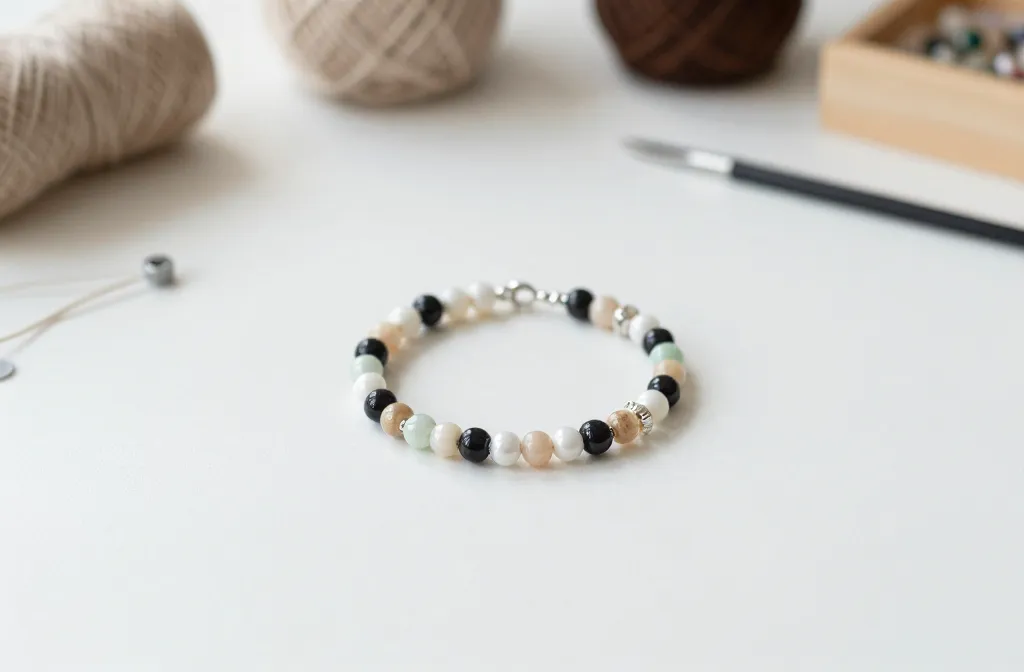
An aspiring teen crafter wonders: how much should I actually charge for my handmade stuff? You’re not just tossing prices into the void; you’re setting the vibe for your whole shop. Let’s break down how to price like a pro without losing your mind.
What your costs actually look like
Pricing starts with knowing your numbers. It’s tempting to slap a random sticker price on a bracelet and call it a day, but that’s a gamble. Start with the basics:
- Materials: beads, yarn, paints, glue — tally every single thing you used.
- Tools and wear: thread snips, scissors, glue sticks, brushes. Don’t forget to account for wear and replacement.
- Labor: how long did it take you? Time is money, even if it’s your hobby.
- Overhead: shipping supplies, packaging, website fees, and even electricity if you’re turning on a heater or lights for crafts at night.
- Profit margin: aim for something that actually feels worth your effort.
FYI, you don’t need to charge like a boutique right away. Start simple, then refine as you learn what your audience will pay.
Choosing a pricing method that actually works
There are a few solid routes for figuring out a fair price. Pick the one that fits your style and stick with it.
Cost-plus pricing
This is the classic approach: add a markup on top of your total costs. A common target is 2x to 3x your cost, then adjust based on demand. It’s straightforward: calculate materials and labor, then multiply by your chosen rate. Simple, right?
Hour-based pricing
If you love timing yourself, do an hourly rate. Decide what you’re comfortable earning per hour (even if you’re still learning). Then multiply by the hours you spent. Be honest about how long things actually take, not how long you wish they took.
Market-based pricing
Check what others are charging for similar items. If your work is similar quality to nearby sellers, you can price in the same ballpark. If you’re selling online and shipping internationally, you might price a little differently to account for audience differences.
How to price different crafts without going crazy
Different projects have different vibes and costs. Break it down so you don’t get sticker shock later.
Small, quick items
Tiny earrings, buttons, or keychains should still cover materials and small amounts of time. Consider a base price plus a tiny labor charge. You don’t have to go all out with elaborate pricing—just be consistent.
Medium projects
Bracelets, simple paintings, or tote bags usually take more time and materials. Use your cost-plus or hourly method, and add a small premium for uniqueness. Your fans will pay for the “made by a teen” charm too.
Complex or custom pieces
If you’re taking on custom orders or highly detailed work, price for the additional time and risks. A custom piece might require a higher markup or a dedicated hourly rate. Communicate the value clearly to buyers.
Packaging, shipping, and presentation matter
People buy with their eyes and their wallets. How you present your item can dramatically affect what you can charge.
- Sustainable packaging looks good and feels thoughtful.
- Clear, friendly product descriptions help justify the price.
- Transparent shipping costs save you from refund headaches.
- Photographs that show scale, materials, and the “handmade” vibe go a long way.
Shipping strategies you’ll actually stick with
Consider flat-rate shipping for simple items or calculated shipping for heavier or bulkier things. If you offer free shipping, bake the cost into your item price so you don’t get a nasty surprise at checkout.
Discounts, bundles, and how they affect value
Discounts can drive sales, but misuse can cheapen your brand. Use them strategically.
Bundling and sets
Offer sets (like a matching bracelet and earrings) at a small discount to increase perceived value while moving more inventory.
Introductory offers
New shops sometimes run limited-time sales to attract first-time buyers. Make sure you still cover costs and don’t train customers to expect constant markdowns.
Student-friendly deals
A “student discount” can be cute and effective, but be sure you’ve priced for it. If your margins survive, go for it with clear terms.
Where to price right now: tips for teen sellers
Your peers are both your market and your feedback loop. Here are ways to stay in touch with reality without losing your spark.
- Ask friends and family what they’d pay for similar items. Honest opinions beat guesswork.
- Test prices with small batches. If a product sells out in hours, it’s a sign you’re underpriced.
- Keep a simple pricing notebook. Note cost, time, and price for each item to spot trends.
Handle tough conversations with buyers
If someone balks at your price, explain your process and materials briefly. People appreciate transparency. If they still haggle, offer a trade-off (customization, faster shipping, or a small coupon for a future purchase).
Dealing with taxes, permissions, and entrepreneurship basics
Yes, you’re running a tiny business, not a DIY project forever. Do the basics so you don’t get slammed later.
- Know your local tax rules for hobby vs. business income. Some places require registering if you hit a certain threshold.
- Keep records: receipts, invoices, and a simple profit calculator help you see if you’re actually earning.
- Ask for help when you’re stuck. A trusted adult, teacher, or mentor can point you toward resources.
Putting it all together: a simple pricing plan you can actually stick to
If you want a quick-start recipe, here’s a practical plan.
- List your common items and their costs (materials, time, shipping, packaging).
- Choose a pricing method (cost-plus or hourly) and apply it to each item.
- Add a small profit margin for consistency across your shop.
- Adjust for size and complexity with a simple tiering system (small, medium, large).
- Factor in presentation: photos, descriptions, and packaging.
- Review monthly and tweak as you learn what buyers actually pay.
FAQ
Is it okay to charge teens the same as adults?
Pricing isn’t about age; it’s about value, effort, and materials. If your teen-made item is comparable in quality and time to an adult-made piece, your price can be similar. The difference is often in the story, branding, and the personal connection buyers feel with a young creator.
What if I’ve underpriced something I already sold?
Don’t panic. Use it as a learning moment. Reprice future items to match your costs and time. If you’re worried about goodwill, you can offer a discount on a future purchase rather than refunding the old sale. It’s not ideal, but it’s reasonable for a growing business.
How can I handle shipping costs without scaring customers away?
Be transparent about shipping upfront. Offer a fixed rate for most items, or provide a range with a note that actual costs may vary slightly. Free shipping over a certain threshold can boost sales, but only if you’re sure your margins survive.
Do I need a business license or extra permits for handmade crafts?
That depends on where you live and how big you intend to grow. In many places, hobby-level sales don’t require a license, but once you hit professional income or scale up, you’ll likely need to formalize. Check local regulations and ask a savvy adult to help you navigate it.
How do I handle customer feedback without getting discouraged?
Feedback is gold, even when it stings. Look for patterns: is your sizing off, is packaging fragile, or is the color off from photos? Use constructive notes to improve. FYI, it’s all part of the learning curve.
Conclusion
Pricing your handmade crafts as a teen isn’t about getting rich quick. It’s about valuing your time, your materials, and the unique spark you bring to every piece. Start with clear costs, pick a straightforward pricing method, and stay consistent. As your skills grow, your prices can grow with them—but don’t forget to tell your story. Your future customers aren’t just buying a product; they’re buying you, your hustle, and that undeniable teen-made charm.