
How to Recycle Cardboard Craft Scraps Instead of Binning Them

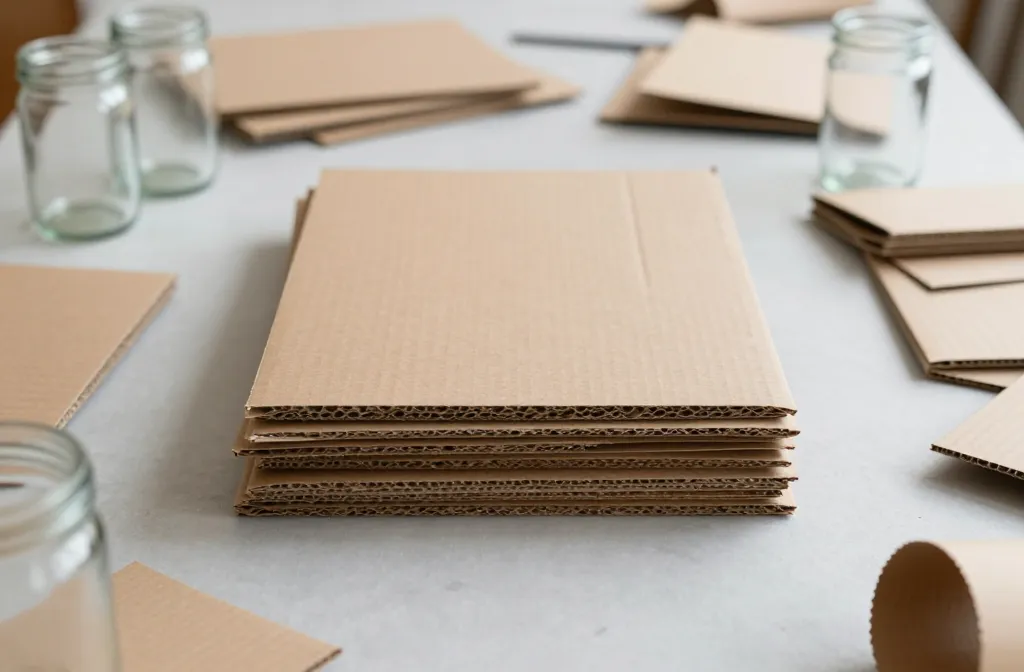
An unexpected pile of cardboard scraps staring back at you? Let’s turn that clutter into creativity. You don’t need a fancy recycling program or a warehouse full of tools—just a little know-how, a dash of patience, and a friend’s worth of crafty energy. FYI, this might just become your new favorite habit.
Why Recycle Cardboard Scraps Anyway?
Cardboard scraps add up fast: stickers, doodles, and those crafty experiments you never finished. Recycling them reduces landfill waste, saves trees, and gives your creativity room to breathe. Plus, it’s cheaper than buying new supplies and way more satisfying than tossing things in the trash. Sounds good, right?
Sort, Toss, and Keep Only What You’ll Use
– Start with a quick sort: clean scraps, damaged pieces, and perfect-for-crafting pieces.
– Set up a few bins: flat pieces, corrugated leftovers, and small bits.
– Be honest: will you actually use that stubbornly curled corner, or is it destined for the compost?
Ask yourself: Do I love this idea enough to turn it into something by Friday?
How to Decide What Stays
– If a piece sparks a project idea, save it.
– If it’s beyond repair or unusable, recycle it with your curbside program or local recycling drop.
– Keep a short-lived “inspiration tray” for 2–3 ideas tops. If it doesn’t spark joy or usefulness in a week, release it.
Creative Ways to Recycle Cardboard Scraps
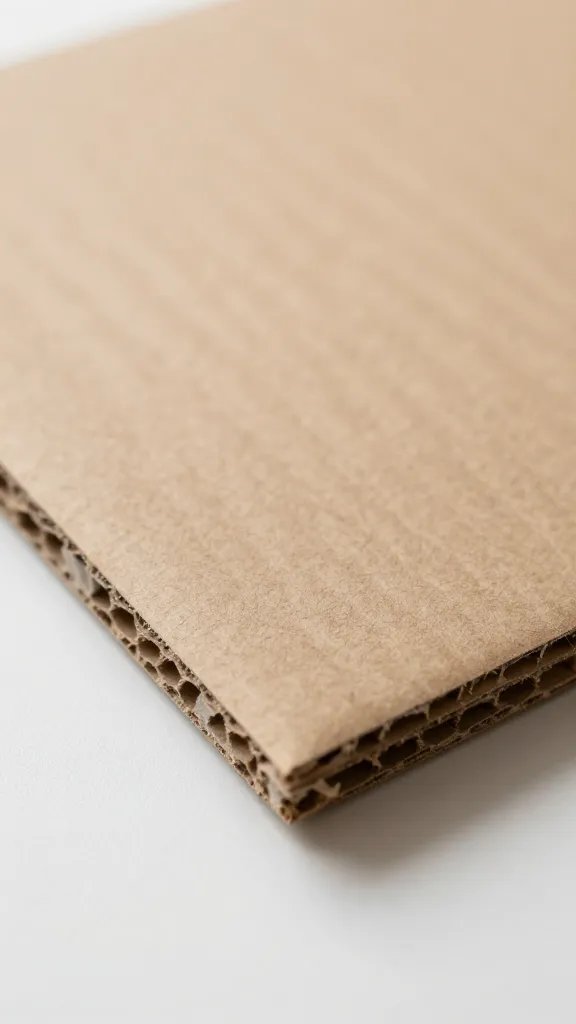
Cardboard scraps aren’t trash; they’re a versatile medium begging for a second life. Here are some easy, satisfying options you can tackle this weekend.
1) Mood-Boosting Mosaics and Collages
– Cut scraps into shapes, then arrange them on a canvas or sturdy cardboard base.
– Use paint, glue, and markers to add color.
– Glue down in layers to create depth, then seal with a spray of clear acrylic. Boom, wall art without buying new materials.
2) Sturdy Gift Tags and Mini Cards
– Slice thin strips of cardboard for tags.
– Decorate with stamps, doodles, or washi tape.
– Add a string or twine for a rustic look. Use this year-round for presents, birthdays, and special occasions.
3) Soft-Edge Ornaments and Mini Ornaments
– Round or geometric shapes become cute, lightweight ornaments.
– Layer multiple scraps for 3D effects.
– Add string, paint, or glitter for festive vibes.
4) Cardboard Sketchbook Covers and Notepads
– Cut scraps into covers, sandwich with recycled paper inside, and bind with a simple stitch or stapler.
– Use as a sketchbook for ideas, lists, or daily doodles. If you want a nicer finish, cover with decorative paper or fabric scraps.
5) Kid-Friendly Stamps and Texture Tools
– Punch out shapes for stamping ink onto paper.
– Create texture rollers by cutting ridges into a corrugated piece and gliding it over paint or ink. Great for kids’ art days.
6) Upcycled Storage and Organization
– Build lightweight trays or dividers for desk drawers.
– Create a chalkboard label system on the front for easy organization.
– These are perfect for art supplies, photos, or loose bits from other crafts.
Techniques to Make Scraps Shine
Try these practical techniques to maximize your cardboard scraps’ potential.
Flatten and Layer
– Flatten bulgy scraps under heavy books for clean, stackable pieces.
– Layer different textures for visual interest in collages or sculptures.
Texture and Paint
– Use gesso or white acrylic to prime scraps before painting.
– Add undertones with a wash of watered-down paint to unify a piece.
Adhesives that Actually Hold
– Use PVA glue for most surfaces, and a touch of hot glue for quick fixes.
– For delicate scraps, apply a light layer of glue and press with a flat tool to avoid warping.
Dealing with Scraps You Can’t Reuse Easily
Some scraps aren’t ideal for art projects, but they aren’t trash either.
Compost and Recycle
– Corrugated cardboard with ink and coatings can often still be recycled curbside. Check local guidelines.
– Unsoiled, paper-based scraps can go in compost if you’ve got a garden. Avoid glossy coatings and bulky adhesives.
Donate or Swap
– Local schools, community centers, or makerspaces often welcome extra craft materials.
– Host a tiny scrap swap with friends—share the love and the leftovers.
Set Up a Simple, Sustainable System
Putting a tiny system in place helps you keep scraps out of the trash without much fuss.
Create a Visible, Easy-to-Access Station
– Label bins clearly: “Flat Pieces,” “Small Bits,” “Decorative Scraps.”
– Place a flat tray on your workspace for quick grab-and-go crafting.
Establish a Quick Weekly Review
– Spend 10 minutes every week sorting by size and potential project.
– Put anything with a definite next step into a “Soon” box; recycle the rest.
– FYI, consistency beats perfection here.
Common Pitfalls to Avoid
– Don’t hoard every scrap forever. Your creative brain will thank you for the declutter.
– Don’t rely on scraps for every project; sometimes pristine supplies help you level up.
– Don’t ignore safety: use a sharp pair of scissors carefully and keep kids supervised with small pieces.
FAQ
Can I recycle cardboard craft scraps with curbside bins?
Most scraps from brown cardboard are recyclable, but it depends on coatings and adhesives. Clean, dry pieces go in curbside recycling where allowed. If a piece has lots of tape, glitter, or glossy coatings, consider repurposing or composting if appropriate. When in doubt, check local guidelines.
What if I don’t have space for a dedicated scrap station?
Start small: one shallow bin or an old shoebox will do. Label it and place it near your workspace. When it’s full, sort and recycle or repurpose. Small habits beat big setups any day.
How can I involve kids without making a total mess?
Set up a kid-friendly station with safety scissors, non-toxic paints, and clearly separated scraps. Create a quick “finish line” project for each session so kids see a tangible result. FYI, short sessions with clear goals keep energy high and mess contained.
Are there tools that help with organizing scraps?
Yes. Paper trimmers, mini punches, and a simple catalog system (photos or a notebook) help. A label maker saves time, and clear bins let you see what you have at a glance. Simple is powerful here.
What’s a quick weekend project to kick off the recycling habit?
Try a cardboard mosaic wall hanging. Gather scraps, cut into shapes, and layer on a canvas or sturdy board. Paint a bold background, glue everything down, and finish with a sealing spray. It’s fast, satisfying, and uses what you already have.
Conclusion
Cardboard scraps are not litter; they’re raw material waiting to be transformed. With a tiny bit of sorting, a few smart techniques, and a dash of enthusiasm, you can recycle scraps into art, decor, and practical goodies. So next time you finish a project, don’t automatically toss the leftovers. Give them a second life, and you’ll surprise yourself with what you can create. IMO, sustainable crafting is just more fun when it’s a little playful—and a lot less wasteful.