
How to Get Craft Paint Out of Clothes and Carpet

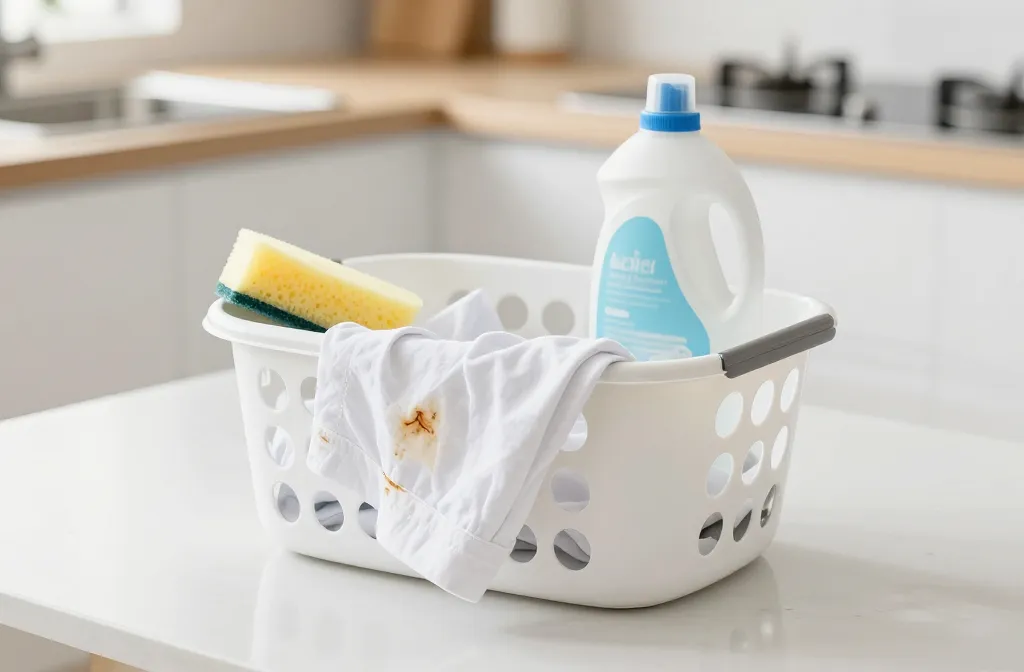
An accidental craft session just turned into a stubborn stain saga, right? Don’t panic. You’ve got this. This guide breaks down practical, no-nonsense steps to rescue clothes and carpet from craft paint chaos—without turning the house into a science lab.
First Things First: Spot the Paint and Gather Your Gear
Paint stains hate being left alone. The sooner you tackle them, the better. Start by identifying the paint type: water-based or oil-based. Water-based paints are usually friendlier and easier to lift, while oil-based paints demand a bit more elbow grease.
What you’ll need (ready-to-grab checklist):
- Fresh towels or rags
- Cold water and mild detergent
- White vinegar or rubbing alcohol (optional, for stubborn spots)
- Provider-safe stain remover or dish soap
- For carpets: a clean sponge, bucket, and a sturdy brush
- Old toothbrush for gentle scrubbing
FAQ-worthy tip: always test any cleaner on an inconspicuous area first to avoid color fading. FYI, this saves you from a second disaster.
Rinsing Out Water-Based Paints from Fabric
Water-based paints are the friendlier siblings in the stain world. They rinse out relatively easily if you act fast.
Steps:
- Blot, don’t rub. Press a towel into the stain to lift excess paint.
- Rinse under cold running water from the backside of the fabric to push paint out.
- Apply a small amount of mild detergent and work it into the stain with your fingers or a soft brush.
- Rinse again. Repeat until the water runs clear.
- If the stain fades but isn’t gone, soak in cold water with a bit of detergent for 30 minutes.
When it dries, check the fabric. If you still see color, move to a stain remover or repeat the steps. Don’t throw in the towel too soon—often, persistence pays off.
Oil-Based Paints: The Grabbing Reality Check

Oil-based paints cling to fibers like a clingy ex. They require more effort, but you can win.
Pro tips:
- Scrape off any excess paint gently with a spoon or dull knife. Don’t smear it.
- Blot with a cloth dipped in paint thinner or mineral spirits. Use in a well-ventilated area and avoid flames.
- Apply dish soap or stain remover afterward, then rinse with cold water.
- Wash as usual per fabric care labels. Repeat if needed.
Safety note: never mix chemicals. If you’re unsure, test a small area first and consider wearing gloves.
Carpet Rescue: Extraction Tactics That Actually Work
Carpet stains feel personal. But you’ve got options that don’t ruin the fibers or your mood.
Quick-start method:
- Blot the excess paint with a clean cloth—no rubbing, remember?
- For water-based paint, mix a teaspoon of dish soap with a cup of warm water. Apply, then blot with a clean towel.
- For stubborn stains, use a carpet stain remover or a 50/50 vinegar-water solution. Work from the outside toward the center to prevent spreading.
- Rinse with plain water and blot dry. You want to remove moisture, not soak it in.
If the stain sticks around, consider a steam cleaner or enlisting a carpet-safe enzyme cleaner. FYI, enzymes break down organic pigments and can save you from re-redoing an entire rug.
Deep Dinks: When a Stain Hangs On
Some stains sink into the fibers and need deeper attention. Here are deeper-dive options without overcomplicating things.
Cold vs. Warm: Temperature Matters
Cold water generally helps lift stains without setting them. Warm water can help dissolve pigment, but it might set certain dyes. Test first, then decide.
Enzyme Cleaners: A Gentle Power Move
Enzyme-based cleaners can be miracle workers on fabric and carpet. They break down proteins and pigments, helping lift stubborn spots. Follow label directions, and give it time to work before rinsing.
Repeat, Don’t Overdo
A single stain might need 2–3 rounds. Patience saves fabric. If you over-scrub, you risk fraying fibers or spreading the stain.
What About Delicate Fabrics?
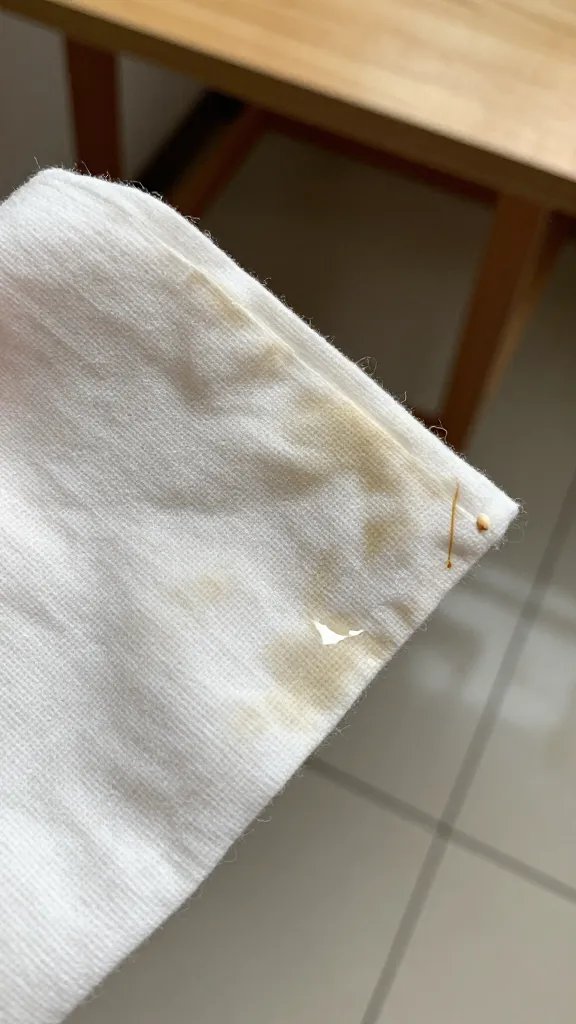
Delicates like silk or wool deserve extra respect. Check the care label first. For fragile fabrics:
- Use the mildest approach possible—cold water, gentle detergent, minimal agitation.
- Consider professional cleaning for very stubborn or large stains.
- If the fabric is not colorfast, a professional cleaner is safer than DIY risk.
Preventive Wins: Stains Don’t Have to Win Again
Prevention is smarter than cleanup. A few tiny habits can save you big stress later.
Tips:
- Protect surfaces with old shirts, aprons, or plastic sheeting during crafts.
- Work over a sink or washable surface and immediately rinse brushes and containers after use.
- Keep a stain-removal kit handy: stain remover, cold water, and microfiber towels.
- If you’re mixing colors, label containers to avoid accidental spills on outfits.
Frequently Asked Questions
Can I use bleach on craft paint stains?
Bleach is a risky move, especially on colored fabrics. It can lighten or discolor fabrics, and some paints may react poorly. For white fabrics or colorfast materials, test a small area first. If in doubt, skip bleach and stick to stain removers or detergent.
What about dried paint on fabric?
Dried paint is tougher but not hopeless. Gently scrape off as much as you can, then treat with a stain remover or soapy water. For stubborn cases, you may need to soak the fabric and repeat the treatment. Expect it to take a few rounds.
Is rubbing alcohol safe for all paints on fabric?
Rubbing alcohol can work on some inks and paint residues, but it isn’t universal. It can damage or fade certain fabrics. Always test on an inconspicuous spot first and proceed cautiously.
How do I know if a stain is gone on carpet?
After treatment, blot the area with a clean, dry cloth. If you still see color after the carpet dries, repeat the cleaning method. A successful removal often leaves the fibers looking normal with no damp scent lingering.
Can I use hot water to remove paint from clothes?
Avoid hot water for most paints—it can set the stain. Cold or lukewarm water is generally safer. If a stain lingers, you can rerun with warm water later, but start cool.
What if the stain is on a colored chair cushion?
Treat it the same way, but be mindful of colorfastness. Start with a small test area. If your cushion has foam, avoid soaking deeply and blot frequently to prevent soaking the inner stuffing.
Conclusion: You’ve Got This, Cleanup Champion
Stains happen to the best of us. With a little know-how, you turn a mess into a memory of your quick thinking and savvy stain-fighting skills. Water-based paints behave friendlier, oil-based paints demand a bit more patience, and carpets need the right touch to avoid soggy regrets. Remember: act fast, test first, and keep a calm, steady rhythm. FYI, sharing your success story with a friend or posting a quick before/after might just make someone else feel capable too. You’re not just cleaning—you’re mastering the art of the spill.