
How to Make Homemade Playdough That Lasts

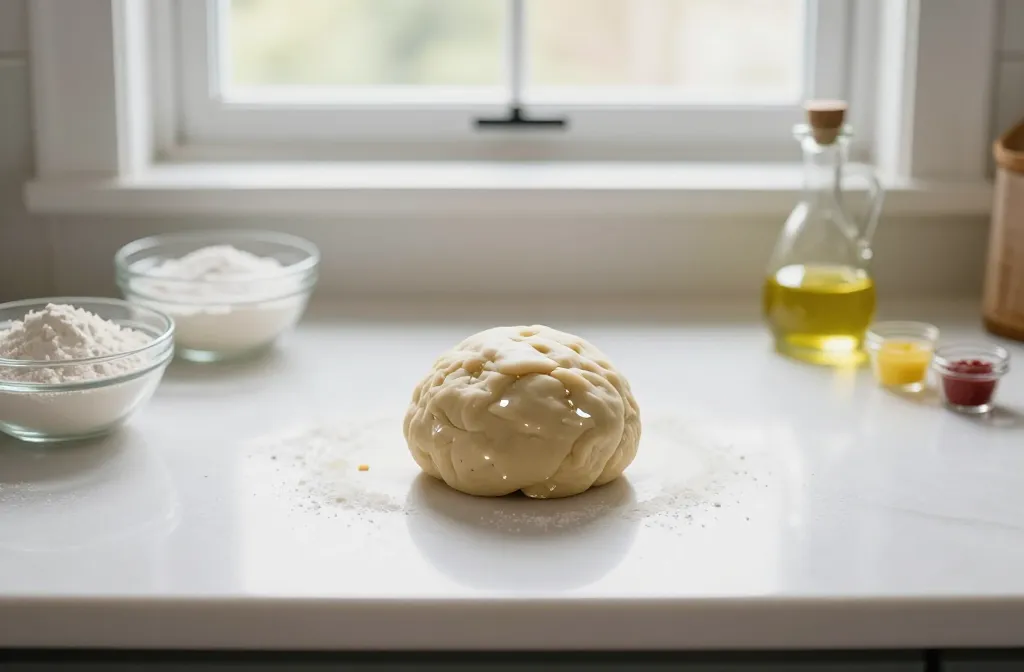
If you’ve ever watched a batch crumble after a day or two, you’re not alone. I’ve gone through more batches than I care to admit, chasing that perfect balance between soft play and long-lasting durability. This guide hands you a playdough that stays pliable, smells nice, and actually sticks around for weeks. FYI, you’ll want to bookmark this.
Why Homemade Playdough Can Outlast the Store-Bought Stuff
– Store-bought dough dries out, cracks, or goes gluey in weird weather.
– Homemade dough with the right ingredients can resist drying and stay pliable longer.
– The trick is a smart fats-and-salt combo, plus a dab of preservation magic that won’t poison tiny humans.
Ingredients That Give You Longevity
- Flour as the base. All-purpose works fine, but a touch of whole wheat adds character and keeps it from feeling too plastic-y.
- Salt acts as a preservative and flavor booster. Don’t skip it—just don’t dump the whole salt shaker in, either.
- Oil or condensed milk provides moisture and smoothness. Use a neutral oil for a softer dough or coconut oil for a hint of fragrance.
- Water ties everything together. Warm water helps activate the starches and makes kneading easier.
- Color and scent optional, but fun. Food coloring adds personality, while a drop of vanilla or almond extract makes it smell irresistible—just make sure it’s kid-safe.
- Preservative option for longer life: a few drops of cosmetic-grade glycerin or a tiny amount of vitamin E oil can help, but keep it tiny and kid-safe.
The Classic, No-Stress Recipe (Good for Beginners)
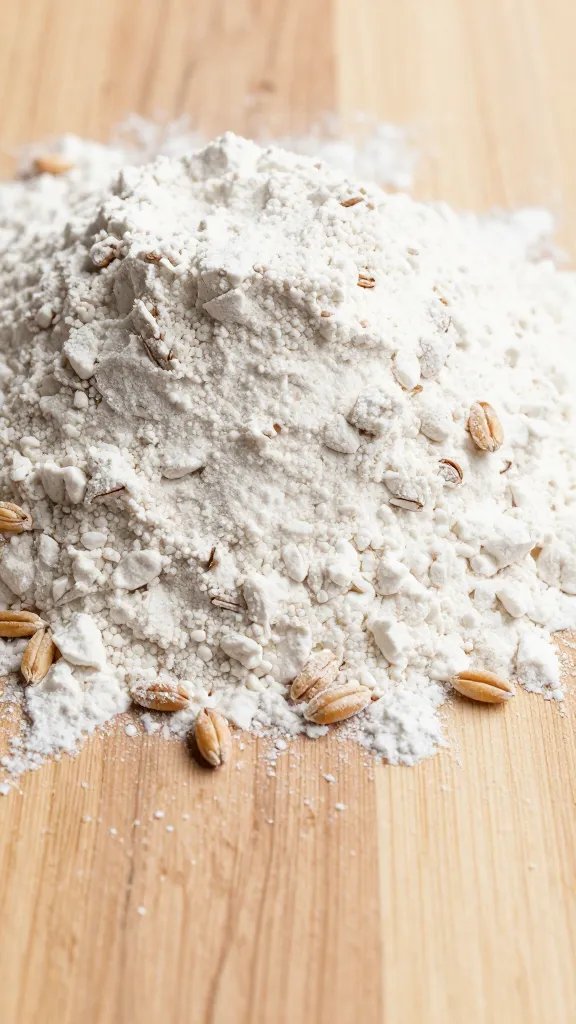
- Combine 2 cups of flour, 1/2 cup of salt, and 2 tablespoons of cream of tartar in a bowl.
- In a separate pot, whisk 1 tablespoon of oil with 1 cup of boiling water and a few drops of food coloring.
- Pour the wet mix into the dry mix and stir until it comes together. If it’s sticky, add a little flour; if it’s dry, splash in a bit more water.
- Knead for 3–5 minutes until smooth. If you want it extra elastic, knead a tiny bit longer and rest it under a damp towel for 10 minutes.
- Wrap tightly in plastic wrap or store in an airtight container. For best results, refrigerate between uses.
Tip: Get the Texture Right
Want that dreamy, doughy feel? Aim for a balance: not too sticky, not too dry. If you’re unsure, keep a small portion slightly tacky and let the rest dry out a touch. Your future self will thank you.
Boosting Longevity: How to Keep Playdough Fresh
- Moisture management: too dry? a few drops of water and a quick knead restores it. too wet? sprinkle in a bit more flour and knead until it’s cohesive.
- Storage is everything: airtight containers beat plastic bags. A reusable silicone lid or a small tub with a tight seal works wonders.
- Clean hands, clean dough: oily hands transfer extra moisture and can cause stickiness. Quick finger-wipe before playing helps.
- Small batches: smaller portions dry slower and stay more controllable. It only takes a minute to rehydrate or re-soften.
Texture Upgrades: Make It Even More Durable
- Add a touch of lotion: a teaspoon of unscented lotion per batch can soften dough and increase longevity, especially for kids who love to smoosh.
- Rice flour trick: replace 1/4 cup of regular flour with rice flour for a smoother, less crumbly dough that holds shape better.
- Sandwich bag trick: store dough between sheets of wax paper when not in use to minimize surface drying.
When to Use Glycerin or Vitamin E
FYI, tiny amounts go a long way. A couple of drops of glycerin or a few tiny shavings of vitamin E oil can improve moisture retention. Keep it kid-friendly and test a small piece first to ensure no staining or awkward texture.
Colors, Scents, and Personalization

- Split your dough into several portions and color each with different foods or gel colors. Bright, engaging colors attract kids and keep attention longer.
- For scent, use kid-safe extracts like vanilla, almond, or citrus. Avoid overpowering smells that could irritate sensitive noses.
- Texture tweaks like a sprinkle of glitter are cute but optional. If you do add glitter, ensure it’s cosmetic-grade and non-toxic for kids who might taste a nibble.
Creative Play Ideas That Extend Dough Life
- Make a mini kitchen set or pretend groceries. The more you create, the more you’ll keep dough in use longer without destroying it in a single play session.
- Use cookie cutters and rollers for shaped fun. The dough holds shapes better when it’s a touch firmer, so don’t over-soften.
- Introduce texture tools like combs, bottle caps, or pastry wheels to add variety without adding mess.
Frequently Asked Questions
Can I store playdough at room temperature?
Yes, as long as you keep it in an airtight container away from direct sunlight and heat. If the room is very humid, you might need to rehydrate slightly over time.
How long does homemade playdough last?
Typically 1–3 weeks with proper storage, sometimes longer if you added small amounts of glycerin or vitamin E. If it starts to smell off or get moldy, toss it and start fresh.
What signs indicate it’s time to discard the dough?
If it turns sticky, cracks, grows a sour scent, or shows mold, it’s time to retire that batch. Trust your senses—kids will tell you when it’s not right either.
Is homemade playdough safe for children who mouth things?
Most standard recipes use edible ingredients, but it’s not intended to be eaten. Supervise younger kids and keep any buttons, glitter, or scents out of reach if there’s a chance they’ll sample.
Can I freeze playdough to extend its life?
Yes, you can freeze dough in an airtight container. Thaw and knead gently to restore pliability. It’s a convenient trick for overflow crafting sessions.
Conclusion
Making your own playdough that lasts isn’t magic—it’s science plus a bit of patience. With the right mix of flour, salt, moisture, and smart storage, you’ll get dough that stays soft, vibrant, and ready for hours of creative chaos. So next time you’re crafting with the kiddos, skip the crumbly stuff and roll out a batch that won’t quit. IMO, you’ll thank yourself when week two arrives and you’re still pulling perfect, pliable dough from the fridge. Happy shaping!