
How to Craft With Students on a Zero Budget

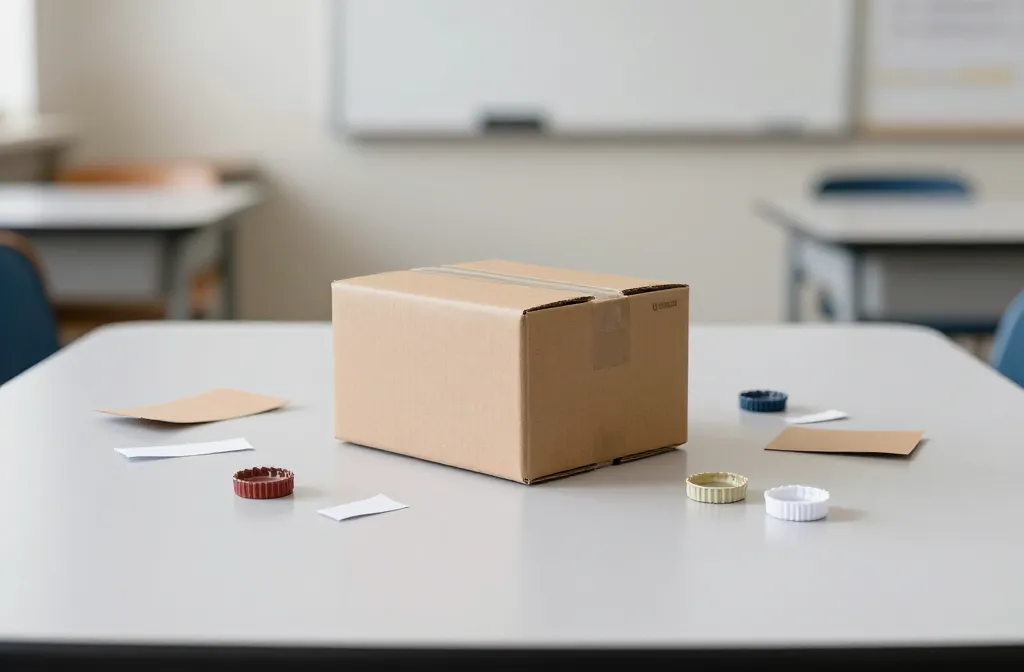
An art room mystery solved: you don’t need a budget to spark imagination. You just need creativity, a little hustle, and some clever substitutions. This guide dives into practical, friendly ways to craft with students when funds are tight but enthusiasm is overflowing.
Why Zero Budget Crafting Is Truly Possible
The truth is, kids don’t measure value in coins—they measure joy in hands-on doing. Free or cheap materials can fuel big ideas if you pivot your mindset from “we need” to “we can repurpose.” FYI, the best ideas often come from problems you’re trying to solve in the moment.
Scouting the Treasure: Where to Find Free Materials
- Ask for donations from parents, local businesses, and neighbors—place a simple sign-up sheet for a “craft material drive.”
- Repurpose everyday items: cardboard boxes, egg cartons, bottle caps, and scraps from local makerspaces.
- Tap into school resources: unused bulletin boards, old magazines, fabric scraps, and scrap paper.
- Organize a swap station in your classroom for gently used supplies.
- Use digital resources: printable templates and open-source patterns to cut down on waste.
Designing Projects That Travel Light
When you’re not buying materials, your project design matters more than ever. Choose activities that maximize reuse and minimize waste. Aim for 2–3 low-cost core supplies and a ton of imagination.
- Favor works that rely on texture and color rather than pricey materials.
- Make structure with recycled cardboard frames, then layer with paint, markers, and found objects.
- Choose cross-curricular themes: science, history, and art all in one project.
Project Ideas That Fly on a Budget
- Collage portraits from old magazines and fabric scraps.
- Nature-inspired prints using leaves, twigs, and household paint.
- Paper mosaics with torn scrap paper and glue.
- Shadow puppets carved from cardboard and enhanced with markers.
Practical Studio Setup Without Spending a Dime
You don’t need a fancy space to craft—just an organized bottling system for supplies and a workflow that keeps chaos at bay. Use labeled bins, a “finished” tray, and a clear drop-off method for reused materials.
Storage Hacks That Save Time
- Label everything clearly—jars for beads, bags for scraps, and bins for cardboard shapes.
- Create a rotating supply shelf with a quick-access tray for the day’s projects.
- Color-code by project type to make transitions smoother.
Teaching Techniques That Turn Constraints Into Creative Fuel
Constraints aren’t cages; they’re Sputniks that propel exploration. Use them to push students to brainstorm, iterate, and reflect on their choices. Wonder aloud, “What could we use instead of this?” and watch ideas bloom.
Inquiry-Driven Craft Sessions
- Set a design challenge: “Create a sculpture using at least three recycled materials.”
- Encourage rapid prototypes: quick sketches, rough builds, then refine.
- Wrap with reflection: what worked, what didn’t, and what to try next time.
Incorporating Tech Without Breaking the Bank
Technology can be a helper, not a crutch. Use devices you already have for research, printing templates, or sharing process videos. FYI, you don’t need a 3D printer to wow with 3D thinking.
Low-Cost Digital Tools
- Use photo editing apps to create color palettes from found materials.
- Record quick timelapse videos of the making process to share with families.
- Printouts of patterns on scrap paper to guide projects without expensive supplies.
Engaging Families Without Spending Extra
Families love to see kids proud of their work. Invite parents to contribute what they can—whether that’s time, ideas, or a few random supplies. A short, clear call for help can unlock a lot of goodwill.
Family-Friendly Showcase Ideas
- Host a “Tiny Gallery” day where students explain their work and the materials used.
- Send home simple, low-cost project kits with easy-to-follow steps.
- Offer a digital gallery with descriptions in student voices.
Assessment That Supports Growth, Not Guilt
Assessment in zero-budget crafting should celebrate process as much as product. Use rubrics that focus on creativity, problem-solving, collaboration, and persistence. Keep feedback constructive and specific.
Simple Rubric For Crafting Projects
- Idea originality and rationale
- Use of recycled or found materials
- Craftsmanship and effort
- Reflection and learning
Common Pitfalls And How To Avoid Them
Creativity is a wonderful thing, but it can stumble into chaos if you don’t plan a little. Here are quick fixes for common zero-budget craft struggles.
- Too many loose pieces: set a “safety tray” for small parts.
- Materials not accessible: stock a few guaranteed favorites (like cardboard and paper) that you know you’ll have.
- Time management: break projects into short, repeatable segments with check-ins.
FAQ
What if we genuinely have no extra materials in a pinch?
Focus on a storytelling craft using only words and paper. Create paper-cut stories, folds, and pop-up scenes with printer paper and markers. You’ll be surprised how far imagination can go with very little.
How do I keep students excited about repeated, similar projects?
Introduce a rotating “theme” system and let students reinterpret the same materials in new ways. Add a “challenge mode” where they push for higher complexity or a different medium each round. IMO variety keeps energy high.
Can I involve the community if I’m shy about asking for donations?
Yes. Start with a short, friendly message to families and local businesses explaining the classroom’s mission and a simple drop-off plan. People love helping when they understand the impact. FYI, clarity goes a long way.
How do I balance student autonomy with classroom safety?
Set clear rules, provide supervision during tool use, and predefine safe areas for messy materials. A quick safety briefing at the start of each session pays off big time.
What if students want to bring in stuff from home?
Welcome it, but establish guidelines: only certain items, clean and safe, and no hazardous materials. This makes the exchange purposeful and reduces chaos in the classroom.
Conclusion
Zero-budget crafting isn’t a punishment—it’s a playground for ingenuity. When you lean into repurposing, collaboration, and thoughtful design, you’ll see students dive into projects with energy and pride. FYI, the best art often comes from scraps, not spoils. So gather what you’ve got, invite the room to improvise, and watch creativity break through the budget ceiling.