
How to Help a Student Who Refuses to Join Craft Activities


If a student hates crafts or simply braces at the idea of a glue bottle, you’re not doomed to a dull activity period. Let’s turn craft time into something they actually show up for. FYI, a little curiosity goes a long way.
Read the Room Before You Reach for the Glue
Not every kid loves glitter and googly eyes, and that’s totally okay. Start by observing what lights them up in other areas. Do they like building, drawing, or teamwork? Narrow your craft choices to things that play to their strengths rather than forcing the usual glitter bombs everybody associates with “fun.”
Ask open-ended questions without pressure. “What would you rather make today?” can shift the energy from “I’m not doing this” to “I can try something I’m curious about.”
Offer Choices, Not Ultimatums
Choice boosts engagement. Provide a menu of 2–4 options with different skill levels and time commitments. This gives the student agency and reduces resistance.
- Option A: Quick, low-muss craft (15 minutes, minimal cleanup).
- Option B: A collaborative project (shared responsibilities, social aspect).
- Option C: A reflective craft (drawing and labeling, no glue required).
- Option D: A digital craft alternative (pixel art, simple code-based activity).
Let them pick, then you can tailor as needed. It’s not about caving; it’s about meeting them where they are.
Swap Materials and the Environment
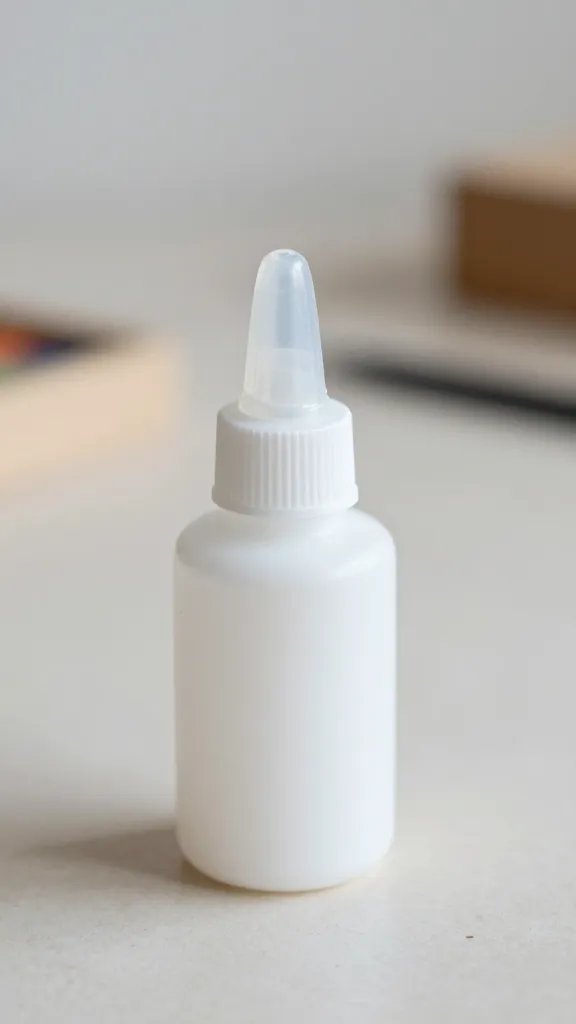
Sometimes the environment feels loud or chaotic, and that alone can derail interest. Create a calmer craft corner with clear stations. Swap out spicy-smelling glue for low-odor options. Use magnetic boards, pre-cut shapes, and reusable craft kits to reduce overwhelm.
FYI, a tidy space reduces anxiety and boosts willingness to participate. A little organization goes a long way toward buying time for genuine interest to spark.
Tap into Their Interests with Themed Projects
Link crafts to things they already enjoy. If a student loves space, make planispheres or galaxy jars. If they’re into animals, try sock puppets or origami dinosaurs. You don’t have to reinvent the wheel—just align the activity with their passion.
Ask, “What world are you curious about today?” and translate that curiosity into a hands-on project. It’s a magic trick—engagement appears when the activity resonates with them.
Utilize a Gentle, No-Pressure Approach
Pressure kills enthusiasm faster than a bad pun. Offer a soft start: a tiny, low-stakes task that can be completed in a few minutes. If they opt out later, that’s fine; leave the door open for next time.
Use encouraging language and celebrate small wins. “Nice choice—let’s give it a try for five minutes.” Small commitments feel doable, and that’s where motivation starts to grow.
Incorporate Social and Collaborative Elements
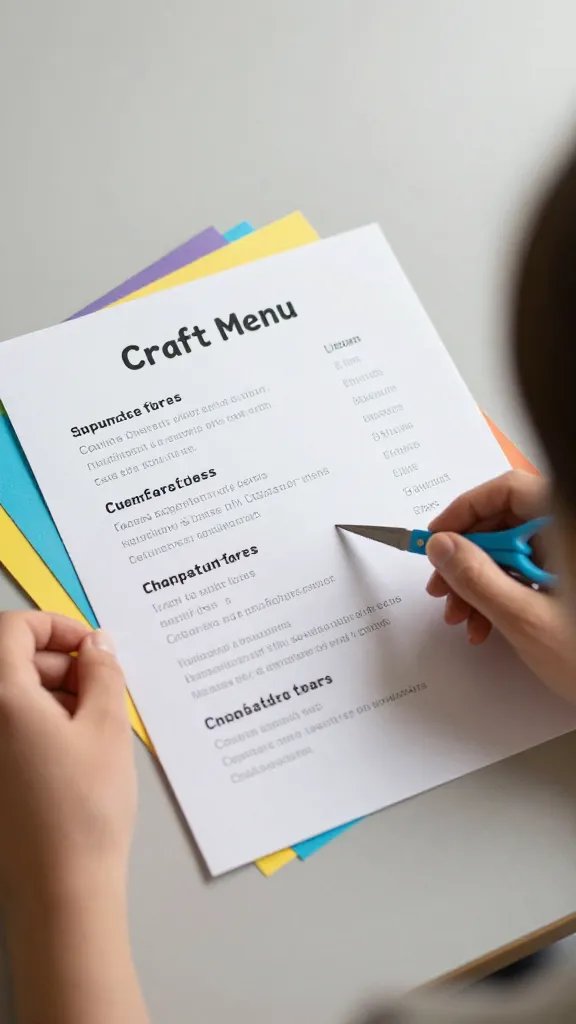
Sometimes, a student joins in because their friends are involved. Consider buddy or small-group crafts where one or two students already enjoy the activity. The social incentive can nudge a reluctant student to participate without pressure.
Set clear roles so everyone contributes without feeling overwhelmed. A little teamwork can turn a lonely task into a shared, fun experience.
Offer Alternatives, But Set Gentle Boundaries
Craft activities aren’t the only way to participate. Offer alternatives like journaling, digital storytelling, or building with non-traditional materials. The key is to keep the student engaged in something constructive rather than letting the hour slip away.
Boundaries matter too. If a student consistently refuses, have a quick check-in after class. Ask what would help next time and set a simple, achievable goal for the following session.
Deeper Dive: Handling Anxiety or Sensory Sensitivities
Not wanting to participate often hides behind anxiety or sensory triggers. Calm down cues can make a big difference. A quiet space, fuzzy blankets near the craft table, or noise-reducing headphones can reduce stress.
Try a sensory-friendly kit with textured papers, soft clay, and neutral colors. If a student is overwhelmed, propose a substitute that uses the same concept—shape creation or color planning—without the sensory overload.
Subsection: Quick Anxiety-Reducing Tactics
– Offer a “pause” card: a built-in minute to regroup. Keep it non-punitive.
– Use predictable routines: same setup, same steps, same cleanup. Predictability soothes nerves.
– Lean on humor, but not at their expense. A light joke can deflate tension and invite participation.
FAQ
Why might a student refuse to join craft activities?
There can be many reasons: anxiety, sensory overload, past negative experiences, or simply a lack of connection to the activity. Start with empathy, not judgment, and ask what would help them feel safer or more interested.
How can I involve parents without pressuring the student?
Share quick, concrete observations and invite parental input on preferences outside of school hooks. Suggest at-home activities that mirror classroom options and reinforce a positive association with crafts.
What if the student just wants to observe?
Observation isn’t a loss. It’s a chance to learn what draws them in. Let them observe for a short time, then offer a small, optional task they can join if they feel inclined.
How can we make crafts more inclusive for different abilities?
Choose adaptive tools, provide step-by-step demonstrations, and allow different entry points to the same outcome. Celebrate progress rather than perfection. Inclusion is a mindset, not a checklist.
Are there quick one-minute strategies I can use mid-lesson?
Yes. Try a mini-challenge: “Create something using three colors in two minutes.” It’s fast, fun, and gives a sense of accomplishment. If they join, great; if not, you’ve still kept things light and playful.
Conclusion
Craft time should feel like an invitation, not a trap. By offering choices, tuning into interests, and reducing pressure, you create an environment where even the most reluctant student can dip their toes in. Remember, FYI: engagement rarely happens in one grand gesture. It’s the small, consistent wins that build momentum. So keep it light, keep it fun, and keep the door open for next time.