
DIY Decor vs Store Bought When Making It Yourself Is Worth It


An artful desk lamp here, a cozy throw pillow there, and suddenly your space feels like you, not a catalog. DIY decor isn’t just about saving a few bucks; it’s about making something you actually love waking up to. Let’s weigh DIY magic against store-bought shortcuts and figure out when it’s worth the extra effort.
Why DIY Keeps the Spark Alive
Creativity, meet your living room. When you make something yourself, you control every detail—color, texture, size, even the smell of success (and yes, that new-paint-gone-wrong smell). This isn’t vanity; it’s customization as a superpower.
– You tailor to your space: No more hunting for the exact shade of blush blush that kinda works. You mix it until it sings.
– Personal stories in your decor: Each piece carries a memory, a moment of learning, a silly mistake you’ll laugh about later.
- Low-cost experimentation: DIY often costs less, especially if you reuse scraps or repurpose finds.
- Learning curve = bragging rights: You’ll pick up skills you can actually use in future projects.
Store-Bought Isn’t the Enemy
Retail decor shines when you want a polished look fast. It’s consistent, predictable, and often perfectly styled with minimal effort. For the busy bee, store-bought buys you time and a consistent aesthetic.
– Quality control matters: You’ll notice things like fabric durability and finish quality that DIY might lack on the first try.
– Instant gratification: A new rug can transform a room tonight, not next weekend.
When DIY Really Pays Off
If you want a focal piece that screams “you,” DIY is your best friend. Consider projects that build confidence and deliver a high payoff with moderate effort.
Color and texture experiments
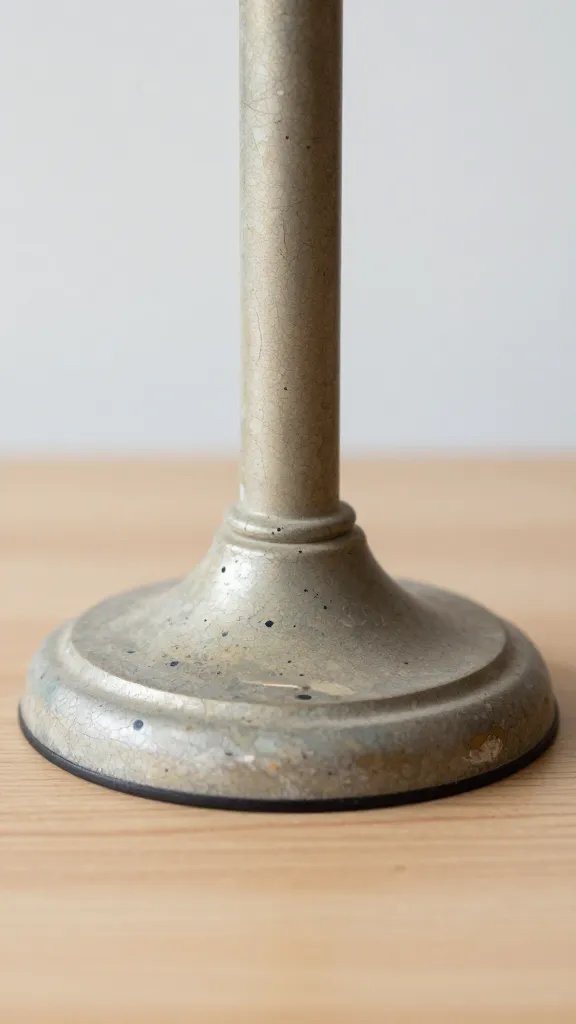
Chalk paint, stencils, or hand-dyed fabrics let you craft unique textures. The payoff isn’t just how it looks; it’s how you feel when you run your fingers over the finish and think, “I made that.”
Repurposing old treasures
Breathe new life into something you already own. An old ladder becomes a bookshelf; a vintage crate becomes a side table. It’s eco-friendly and budget-smart.
Where Store-Bought Shines: Quick Wins and Consistency

Sometimes you want a room that looks cohesive within a weekend. Here’s when buying makes sense.
– Consistency: Materials match, colors don’t clash, and you don’t end up with five different shades of white.
– Time is money: If you’re balancing work, kids, and a life, buying avoids chaos.
Smart shopping tips
– Look for durable fabrics and easy-care finishes.
– Choose modular pieces that can grow with you.
– Don’t overlook secondhand finds; a little spray paint goes a long way.
Balancing Act: How to Decide What to DIY
You don’t have to pick one path for everything. Mix and match for a space that feels layered and intentional.
- Start with a plan: Pick one DIY project and one store-bought piece that anchors the room.
- Set a budget: If you overspend on supplies, the project loses its shine.
- Assess time availability: Can you spare an hour a day, or do you need a “panic buy” solution?
DIY-friendly projects to test the waters
– Framed art with a DIY gallery wall.
– Custom candles or simple upholstery updates.
– Painted planters to tie your greenery together.
Materials, Tools, and The Fine Print
Before you dive into a DIY project, a quick reality check helps you avoid sunk-cost frustration.
- Quality basics: Minimal tools, maximum payoff. A good glue, sandpaper, and brushes go a long way.
- Materials list matters: Fewer trips to the store = faster project completion.
- Safety first: Dust masks, eye protection, and ventilation aren’t optional for messy projects.
Fuel for your creativity: brainstorming ideas
– Start a mood board with colors, textures, and photos of your dream space.
– Collect potential materials you already own or can upcycle cheaply.
– Sketch a rough layout so your pieces don’t fight for wall space.
FAQ
Is DIY always cheaper than store-bought?
DIY can be cheaper, especially when you reuse materials. But not every project saves money—some fancy finishes or high-quality tools add up. Do the math before you buy: count materials, tools you’ll use again, and your time value. FYI, the extra satisfaction sometimes justifies a small splurge.
How do I avoid a DIY project going wrong?
Start simple, pick a project with forgiving materials, and give yourself a realistic timeline. Watch a couple of quick tutorials, gather all supplies first, and test on a small piece before committing to the whole piece. If you hate it, you haven’t sunk too deep.
What if I don’t have a craft room or garage?
No problem. Use kitchen tables, balconies, or even a corner of a roommate’s space. The key is planning and cleaning up as you go. A well-ventilated, easy-to-clean surface makes DIY feel less chaotic and more fun.
Can I mix DIY and store-bought items in the same room?
Absolutely. This is where the magic happens. Use DIY pieces as accents to bring personality, with store-bought essentials to anchor the room. The result: a balanced, stylish space that doesn’t scream “craft project.”
How do I know when a store-bought item is worth it?
If it saves you time, offers consistent quality, and fits your color story without extra tweaking, it’s worth considering. Also, factor in warranty, return policy, and repairability.
Conclusion
DIY decor and store-bought pieces aren’t enemies; they’re teammates. DIY gives you personality, customization, and bragging rights; store-bought keeps things polished, fast, and dependable. The sweet spot is a room that mixes both—a few standout DIY pieces paired with reliable, store-bought staples. So, what are you waiting for? Grab a brush, a can of paint, or a shopping cart, and start shaping a space that truly feels like you.