
How to Keep a Classroom Clean During Craft Time

Ever watched a glitter tornado swirl through a classroom and wondered if you should call in the custodian or just surrender to the chaos? You can have both creativity and cleanliness—without the drama. Let’s break down simple, workable strategies that keep craft time fun and mess under control.
Set the Tone: Purposeful Prep Before the Glue Dries
Clean classrooms start with intention. Before a single kid snips, ask: what will we actually use, and where will it go when we’re done? If you fail to plan, you plan to mop the floor with your sanity. FYI, a little prep goes a long way.
- Clear a dedicated “craft zone” with a defined surface and nearby storage.
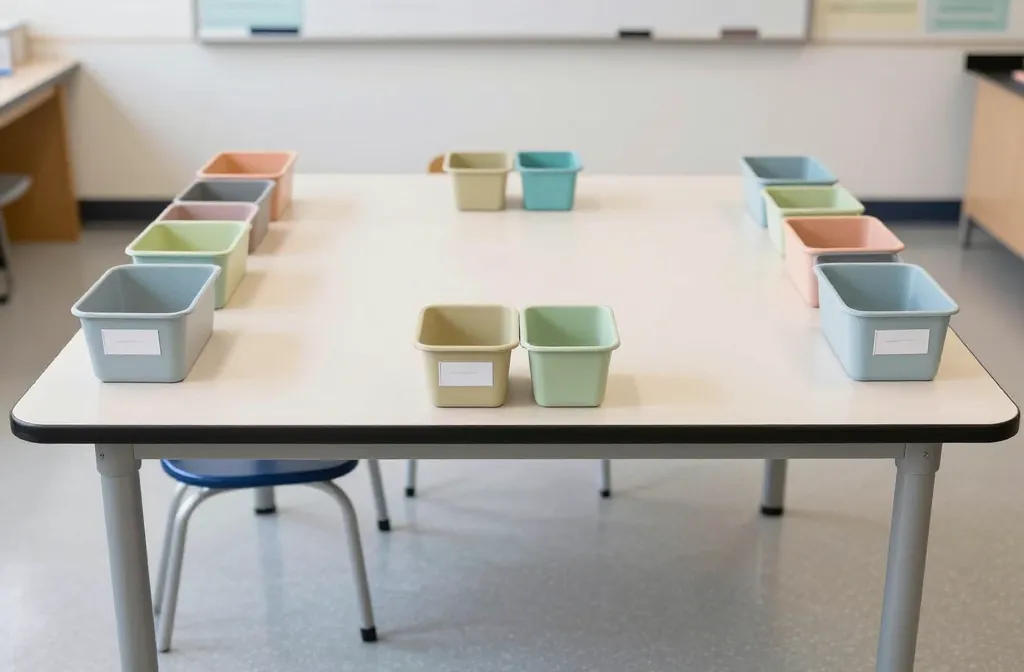
- Pre-assemble supplies in labeled bins or trays to minimize wild treasure hunts.
- Post a quick one-page checklist for students: wipe, put away, redo if needed.
Smart Storage Solutions That Actually Work
Storage isn’t glamorous, but it saves you from the glitter apocalypse. Keep things accessible to kids and easy for you to tidy.
Labeling Love
Label containers with pictures and words so students know exactly where to return items. No more “I thought this was yours!” debates.
Color-Coded Zones
Assign colors to tasks: red for glues and scissors, blue for markers, yellow for paper. It’s a micro-lesson in organization and reduces cross-contamination of mess.
Craft Time Routines: The Engine That Keeps It Clean

Routines aren’t boring; they’re your secret weapon. Build habits that students own, not you nagging them to do the obvious.
- Sanitize stations at the start and end of craft time. Quick spray, wipe, and go.
- Use a noise-free transition timer to signal clean-up time and give kids autonomy.
- Set a true “clean as you go” pace: tiny tidying moments prevent a mountain later.
Teacher Tools That Make a Difference
The right tools reduce friction and save you from chasing glitter across the cosmos.
- Plastic trays and shallow bins to corral messy goodies like sequins, stickers, and paper scraps.
- Kids-sized cleaning gear: mini brooms, dustpans, and microfiber cloths.
- Clipboards or quick checklists for students to track their own clean-up progress.
Dealing with Glitter, Glue, and Other Creatures from the Craft Zone
Let’s be honest: some messes are legendary. But you can tame them with a few clever moves.
Glitter: The Tiny Invader
Use limitado quantities, seal glitter containers, and have a designated glitter mat. If it sticks to everything, switch to confetti-free alternatives or moisture-activated glitter that’s easier to collect.
Glue and Paint: The Sticky Dilemma
Keep glue sticks in easy-to-reach spots and designate a “drip-dry” area for brushes. Lay down disposable table covers and encourage quick, neat application.
Involve Students: Ownership Over Clean-Up
Students who own the clean-up process are more invested. It’s not punishment; it’s empowerment with a side of bragging rights.
- Assign rotating roles: Captain Clean, Sweep Supervisor, Materials Manager.
- Offer quick, tangible incentives: stickers or a few extra minutes of free-choice activity.
- Celebrate clean-up wins publicly with a mini shout-out or a wall of fame.
Parental and Classroom Community: Extend the Clean-Up Ethic
Your classroom doesn’t exist in a vacuum. Parents and aides can help reinforce clean habits outside craft time too.
- Provide a simple one-page handout with tips for at-home crafts that mirror classroom routines.
- Share a weekly “craft time recap” with photos of students tidying up and taking pride in their space.
- Invite volunteers to lead a short clean-up station during busy days.
Deeper Dives: Practical Checklists You Can Stick On Your Wall
Sometimes you need a quick reference. Here are two compact checklists you can print and post.
Before Craft Time
- Set up the craft zone with labeled supplies.
- Place a clean-up station nearby with tools ready.
- Brief students on expected routines and roles.
During Craft Time
- Encourage neat beginnings: tracing lines, minimal spills.
- Remind students to return items as soon as they’re done with them.
- Watch for corner clutter and redirect quickly to the proper bin.
FAQ: Quick Answers To Common Craft-Clean Questions
What if I don’t have a lot of storage space?
Use stackable, clear bins that you can tuck into a cabinet. Label everything and keep a compact, portable supply caddy for each group. FYI, less space doesn’t have to mean less organization—just clever use of vertical space and multi-purpose containers.
How can I handle messy students without embarrassing them?
Make clean-up a normal part of the activity, not a penalty. Use positive language and private reminders when needed. If a kid spills a lot, offer extra help and celebrate the recovery rather than calling them out in front of peers.
What’s the best way to address glitter everywhere?
Limit glitter, switch to non-glitter alternatives when possible, and set up a dedicated glitter tray with a lid. Encourage students to shake off excess glitter into a designated container before returning items to bins.
How do I keep parents in the loop without extra homework?
Send a simple weekly update with a couple of photos showing kids tidying up and a short tip parents can use at home. It builds momentum without turning into a full-blown project for families.
Can digital or eco-friendly crafts help reduce mess?
Absolutely. Use digital drawing apps, printable templates, and recyclable materials. It cuts down physical waste while still sparking creativity. IMO, sustainability and creativity can be BFFs.
Conclusion: Tiny Habits, Big Clean-Up Wins
Clean craft time isn’t about perfection; it’s about consistency and giving kids ownership. When you combine smart prep, kid-friendly storage, engaging routines, and a dash of humor, mess becomes manageable and even part of the fun. So grab a bin, rally the team, and watch the classroom transform from “glitter volcano” to “creative zone.”