
17 Decorative Craft Ideas Using Scrap Fabric

# 17 Decorative Craft Ideas Using Scrap Fabric
You have a drawer full of leftover fabric pieces and a house that could use some warmth, but throwing out good material feels wasteful and buying new decor feels expensive. Those scraps can turn into something worth keeping.
These seventeen decorative craft ideas using scrap fabric work with whatever you already have, from old clothes to leftover quilting cuts. Most take under an hour, and nothing here needs a sewing machine unless you already want to use one.
Each idea leaves you with something finished you can actually use or display today.
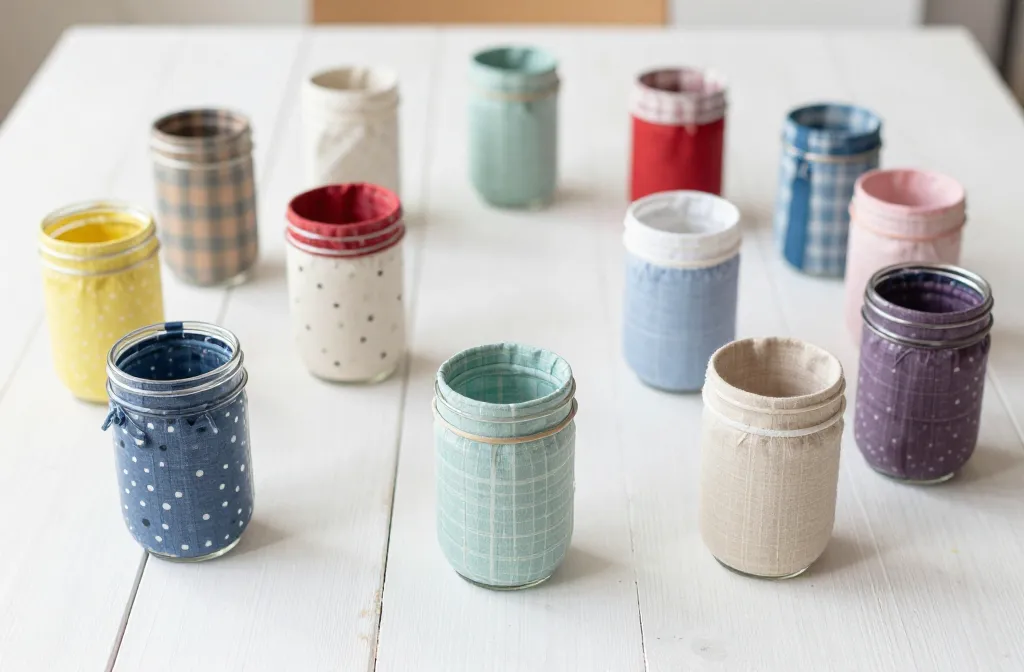
1. Wrap Mason Jars With Fabric Strips for Flower Holders
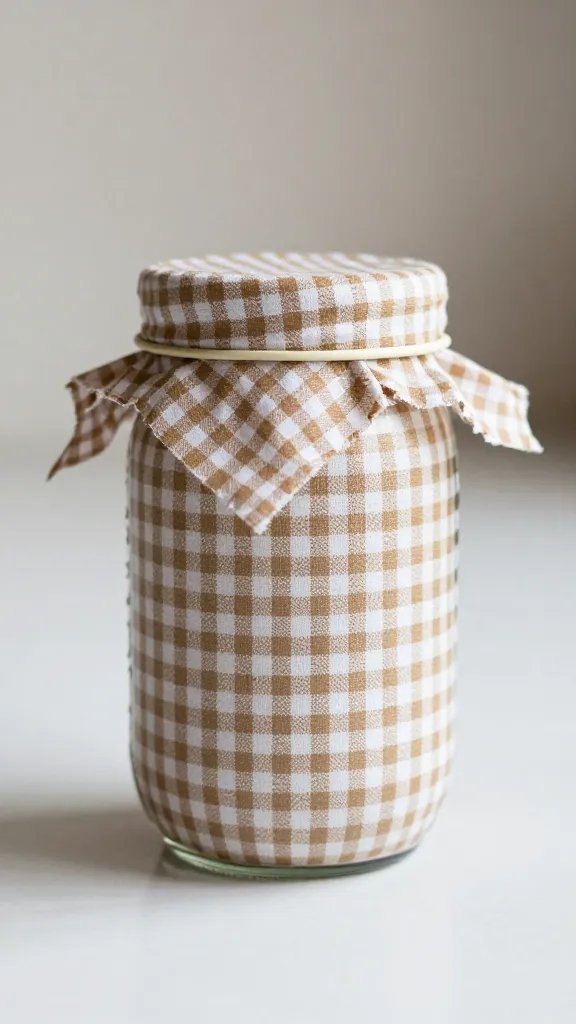
Empty jars look like recycling, but wrapped jars look intentional. This turns any plain glass container into something you can set on a shelf or fill with fresh flowers.
The make: Cut fabric into long strips about two inches wide, wrap them around the jar in overlapping layers, and secure the end with a dot of hot glue on the back.
Mixing prints on three jars gives you a set instead of a single piece. Gingham next to a small floral next to a solid stripe keeps it interesting without looking jumbled. Skip the glue if you want to change the fabric later.
2. Braid Fabric Scraps Into a Colorful Bowl Base
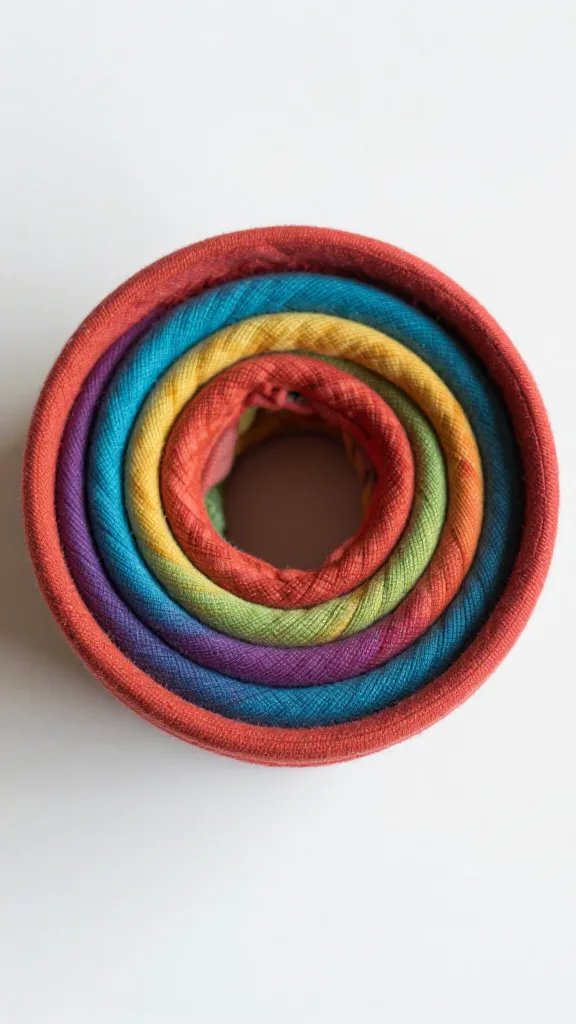
Flat fabric turns three dimensional when you braid it tight and coil it into a bowl shape. This uses up small pieces fast and gives you a catch all dish for keys or jewelry.
- Cut fabric into strips about one inch wide and as long as possible
- Braid three strips together, knotting the end when you run out
- Coil the braid flat in a spiral and glue each layer to the one below it
- Build sides by stacking coils on top of each other instead of flat
Time needed: About forty minutes for a bowl the size of your palm, faster if you use wider strips.
3. Tie Fabric Scraps Around a Wreath Form for a Soft Door Hanging
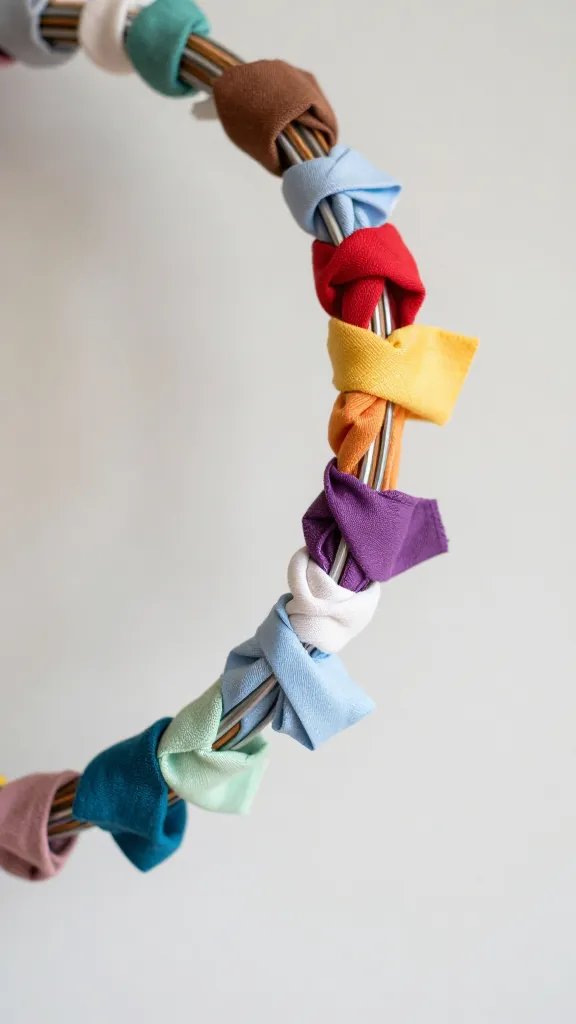
Wire wreath forms sit cheap at craft stores, and fabric scraps tied around them make a door decoration you can swap out by season. No glue, no sewing, just knots.
Why it works:
- Torn fabric edges give it a cottage look without fraying badly
- Mixing neutrals with one accent color keeps it from looking too busy
- Tying instead of gluing means you can pull off pieces and start over if the balance feels wrong
Aim for about fifty ties to fill a twelve inch form. Fewer leaves visible gaps.
4. Sew or Glue Fabric Circles Into Hanging Garland
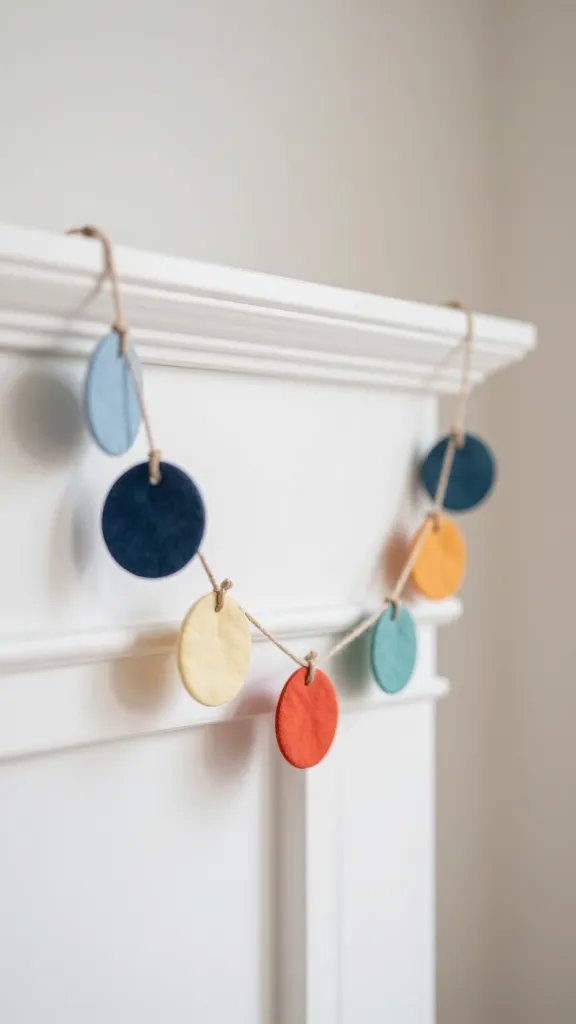
Garland fills empty space over doorways or mantels without blocking anything underneath. Fabric circles strung on twine move when people walk by, which paper cannot do.
Cut circles using a mug or jar as a template so they match in size. Thread a needle with strong thread or thin twine and push it through the center of each circle, spacing them an inch or two apart. Knot both ends and leave extra length for hanging.
Make it easier: Glue circles onto a length of ribbon instead of sewing if your thread keeps tangling.
5. Layer Fabric Scraps Inside a Picture Frame for Textured Wall Art
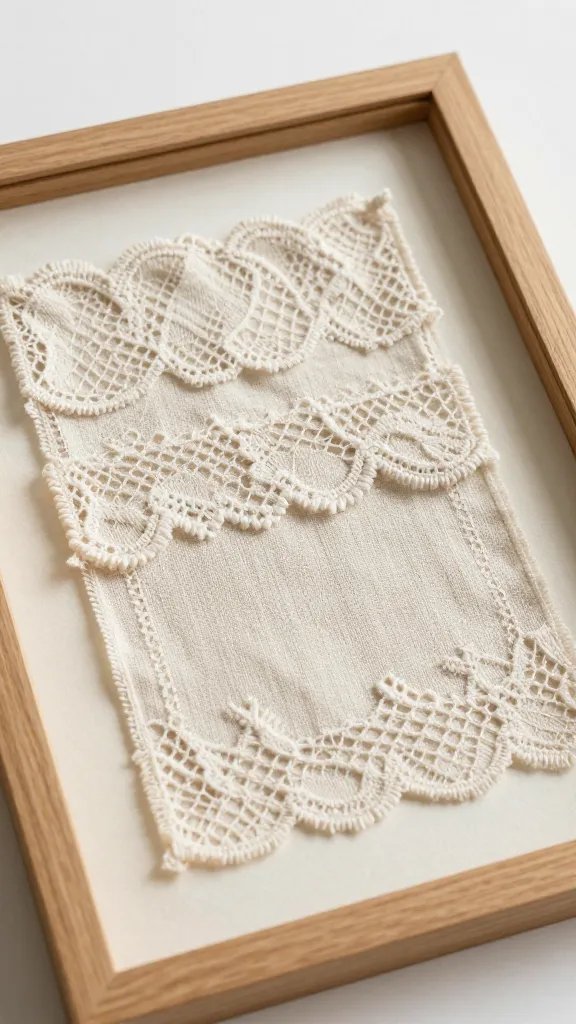
A frame with no glass becomes a shallow shadow box when you layer fabric inside it. This works especially well with lace, linen, or anything with visible texture.
Best for: Neutral rooms that need one spot of pattern without adding furniture or rugs.
Remove the glass and backing, cut fabric slightly larger than the frame opening, and layer two or three pieces with the prettiest one on top. Tape or staple the edges to the back of the frame. Rehang it and you have art that cost nothing but fifteen minutes.
Color note: Stick to one color family in different shades so it reads as art, not a scrap pile.
6. Fold Fabric Into Napkin Rings With a Simple Tie
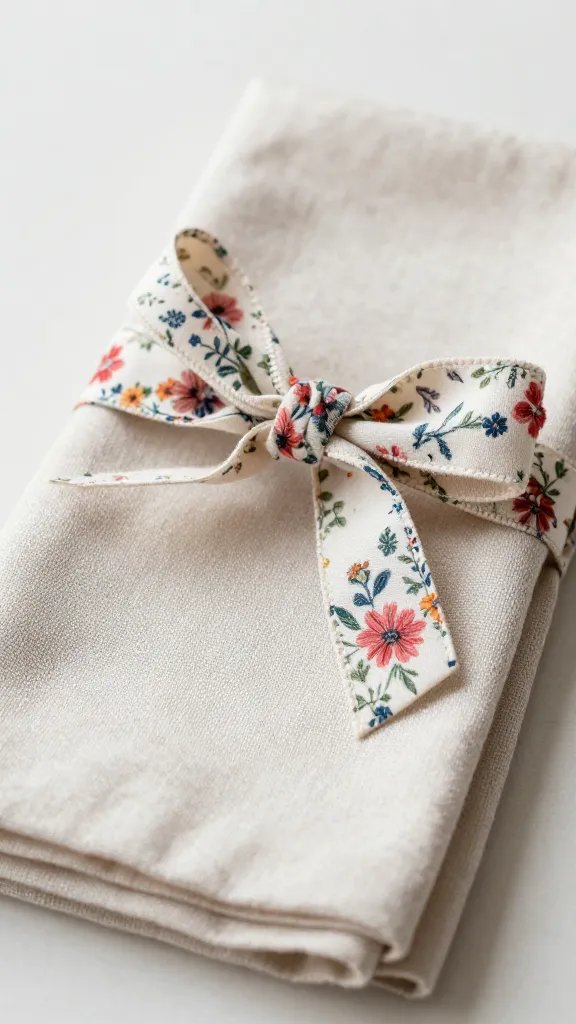
Plain napkins look dressed up when something wraps around them. Fabric strips tied in a bow or knotted once give you reusable napkin rings that do not slide off the way ribbon does.
Cut strips about ten inches long and two inches wide. Fold each napkin into a rectangle, wrap the fabric around the middle, and tie it once or twice depending on the look you want. Tighter knots suit everyday meals. Loose bows work for something fancier.
Laundering them is easier than you think. Toss them in with the napkins and press them flat while damp.
7. Glue Fabric to Wood Blocks for Decorative Shelf Fillers

Small wood blocks from the craft store turn into something worth displaying when you wrap them in fabric like tiny packages. Cluster three or five on a bookshelf between heavier items.
- Start with plain wood cubes or rectangles in different sizes
- Cut fabric larger than each face of the block
- Glue one side at a time, folding the edges under like wrapping a gift
- Let each face dry before turning the block to glue the next
Skip this: Do not use stretchy knit fabric. It pulls and wrinkles as the glue dries and never looks smooth.
8. Twist Fabric Strips Into a Hanging Plant Holder
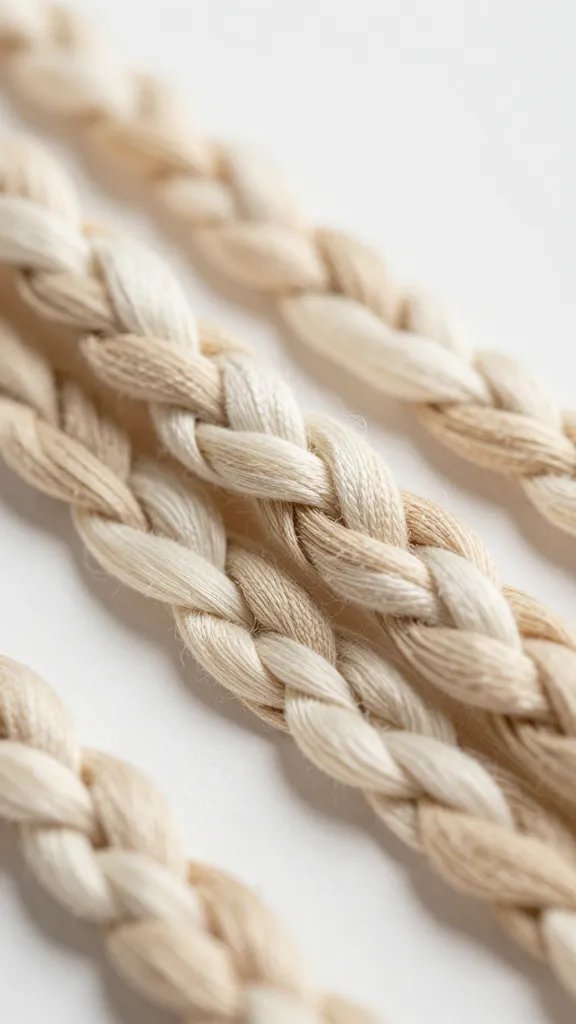
Macrame plant hangers take patience and a tutorial. Fabric plant hangers take four strips and about twenty minutes because you braid them instead of knotting.
The make: Cut four strips of sturdy fabric about three feet long and one inch wide. Gather them at one end and tie a knot, leaving a loop for hanging. Divide into pairs and braid loosely down about a foot. Tie the ends around the lip of a small pot.
This holds lightweight pots only. A heavy ceramic planter will stretch the fabric and eventually fall. Stick with plastic or thin terracotta and plants that do not need daily watering so you are not lifting it down constantly.
9. Cut and Fringe Fabric Into a Table Runner

A long piece of fabric becomes a finished runner when you fringe the short ends instead of hemming them. No sewing machine, no thread, just scissors and a straight cut.
Why it works:
- Fringe hides uneven edges better than a hem you tried to iron
- Fabric weight matters more than pattern, choose something with body that lays flat
- Cutting fringe every half inch gives it movement without looking stringy
Measure your table before you cut. Runners look best when they hang about six inches off each end, not all the way to the floor.
10. Stuff Fabric Scraps Into Clear Ornaments for Year Round Decor
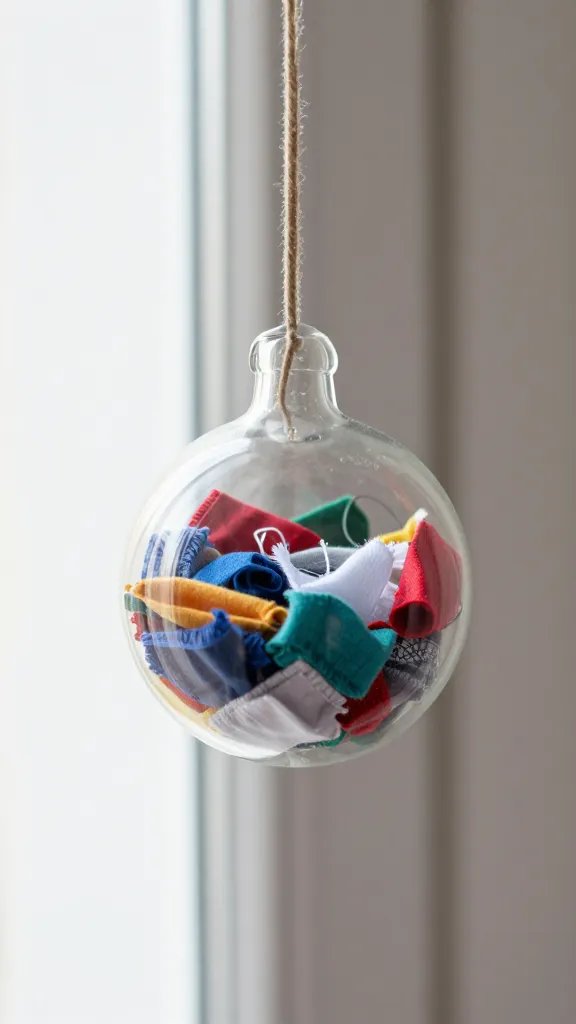
Clear glass or plastic ornaments meant for Christmas work every season when you fill them with fabric instead of glitter. Hang them in a window or on a hook by the door.
Open the top, tear fabric into small pieces, and push them inside with a pencil or chopstick until the ornament looks full but not packed tight. Replace the hanging cap and you are done. Swap the fabric when you want a different color without buying new ornaments.
Seasonal swap: Pastels in spring, brights in summer, warm tones in fall, and whites or metallics in winter.
11. Bind Fabric Around Wooden Rings for a Wall Mobile

Embroidery hoops or wood rings in graduated sizes become a hanging mobile when you wrap them in fabric and suspend them with thread. This fills vertical space without taking up floor room.
Wrap each ring tightly with a long fabric strip, overlapping as you go and securing the ends with a dot of glue. Tie thread or fishing line to three points around each ring. Hang the largest at the bottom, the smallest at the top, spacing them a few inches apart.
Small space fix: One wrapped ring hung alone works when a full mobile feels like too much.
12. Fold Fabric Into Decorative Coasters With Fusible Interfacing
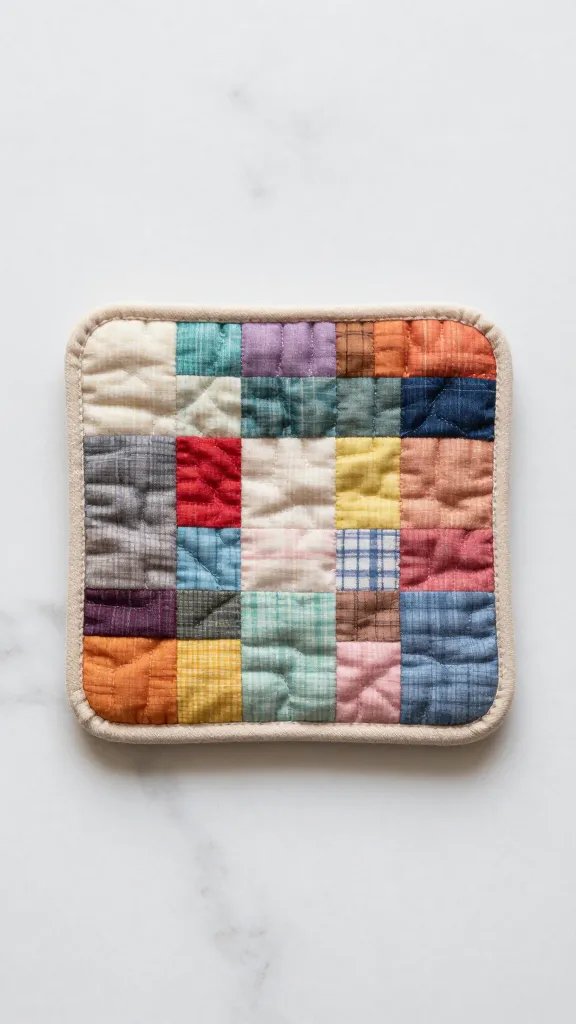
Coasters get used, which means they need to hold up to wet glasses and washing. Fusible interfacing sandwiched between two fabric layers keeps them sturdy without sewing around the edges.
Best for: Anyone who already irons and does not mind one extra step for something that lasts.
Cut two fabric squares and one square of fusible interfacing the same size. Layer them with the interfacing in the middle, rough side touching the fabric. Press with a hot iron until the glue melts and fuses everything together. Trim the edges straight and you have a coaster that survives the dishwasher better than cork.
13. Attach Fabric to Embroidery Hoops for Instant Wall Circles
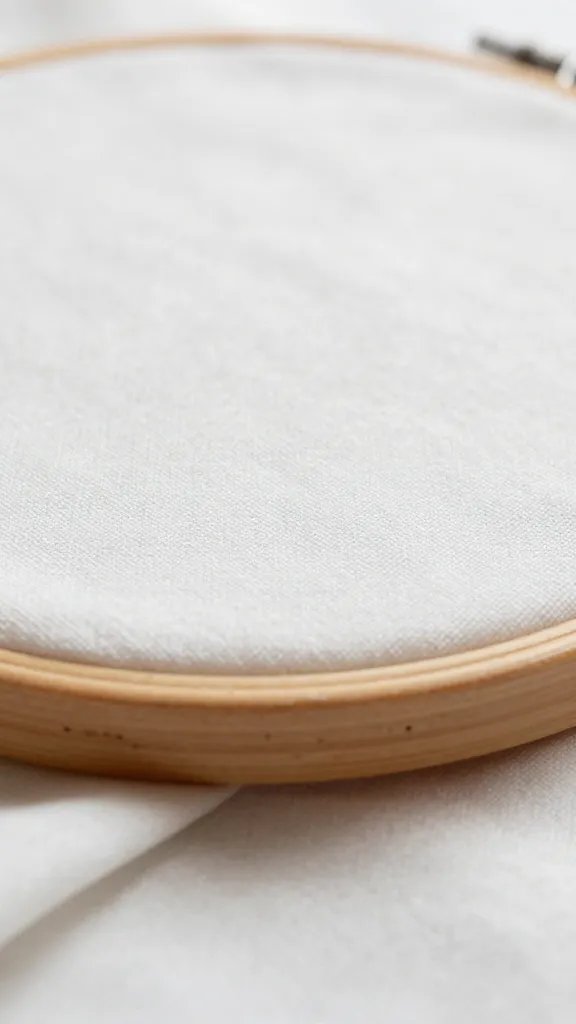
Framed fabric gives you pattern on the wall without committing to wallpaper. Embroidery hoops clamp fabric tight and cost less than real frames.
Place the smaller hoop under your fabric, press the larger hoop over it, and tighten the screw until the fabric pulls taut. Trim the excess about an inch outside the hoop and either tuck it behind or leave it visible if the raw edge suits the look you want. Hang the hoop from a small nail.
One small change: Painting the hoop before you add fabric turns it into a colored frame instead of plain wood.
14. Roll Fabric Scraps Into Drawer Sachets

Sachets keep drawers smelling good without the powder mess of loose potpourri. A small fabric square rolled around dried lavender or cedar chips and tied with thread holds the scent in and keeps it from scattering.
Supplies: Fabric cut into six inch squares, dried lavender or cedar, and cotton thread or thin ribbon.
Mess control: Spoon the dried material onto the center of the fabric, gather the edges up like a small pouch, and tie it tightly before the filling spills. Three or four sachets fit in one drawer without crowding your clothes.
15. Weave Fabric Strips Through a Wire Basket for a Lined Look
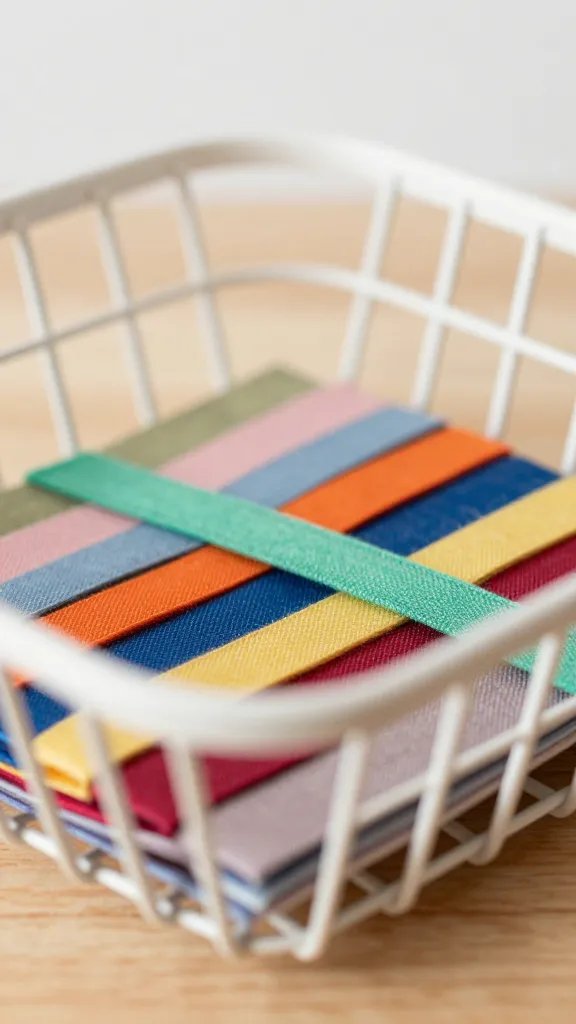
Wire baskets show everything inside them, which looks messy on a shelf. Weaving fabric strips through the wire gives you a softer basket that hides clutter without blocking air.
Cut strips about one inch wide and long enough to weave in and out through the vertical wires. Start at the bottom and work up, tucking the ends inside the basket when you reach the top. Alternate colors every few rows or stick with one tone depending on the room.
This takes longer than it sounds, about an hour for a medium basket, but nothing about it is hard. Just repetitive.
16. Knot Fabric Scraps Around Twine for a Textured Hanging Strand
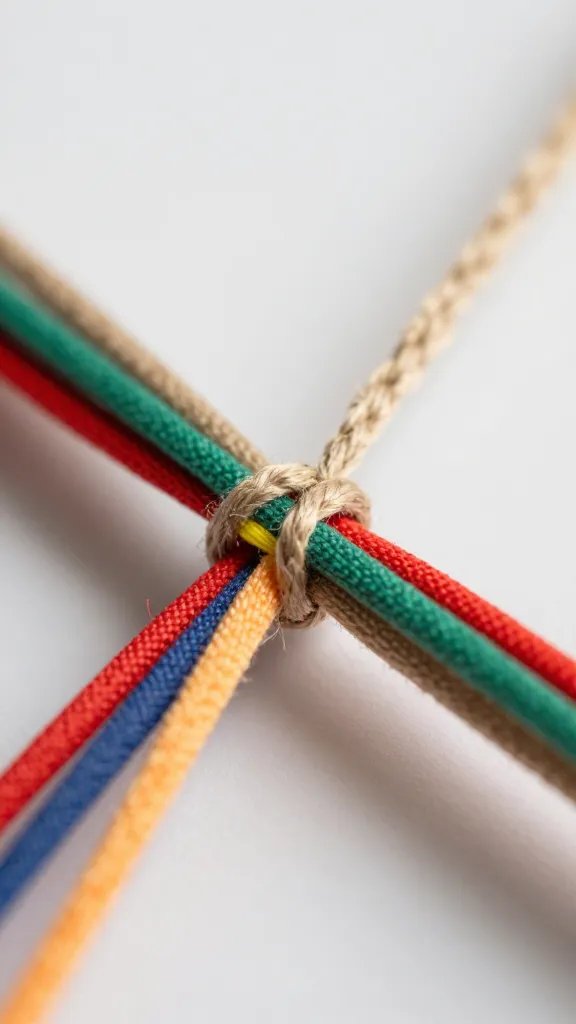
Long strands of knotted fabric hang behind beds, across mantels, or along porch railings. They add softness where hard surfaces dominate.
Cut fabric into strips about six inches long and one inch wide. Fold each strip in half, loop it around a length of twine, and pull the ends through the loop to knot it on. Slide the knots close together as you go so the twine does not show through. Keep adding strips until the strand reaches the length you need.
Theme swap: Stick to whites and creams for a neutral look, or mix every color you have for a playful one.
17. Glue Fabric Strips Onto Old Books for Decorative Shelf Stacks

Books you no longer read still work as decor when you cover the spines with fabric. Stacked on a coffee table or shelf, they add height under a plant or candle.
Why it works:
- Covering mismatched spines in the same fabric makes a random stack look curated
- Hardcovers hold up better than paperbacks when you glue fabric directly to them
- Choosing fabric that matches your room pulls the books into the overall color story
Measure the spine, cut fabric slightly larger, and glue it down with a thin layer of craft glue. Fold the edges over to the front and back covers for a clean finish. Let them dry flat overnight so the covers do not warp.
Scrap fabric stops being a pile of leftovers the minute you cut it with a plan. These seventeen ideas turn small pieces into finished decorations without a complicated process or a long supply list. Most of them take less time than scrolling for something to buy online, and all of them let you use what you already own. Save this for the next time you open that fabric drawer and wonder what to do with it all.