How to Find Your Craft Style as a Teenager

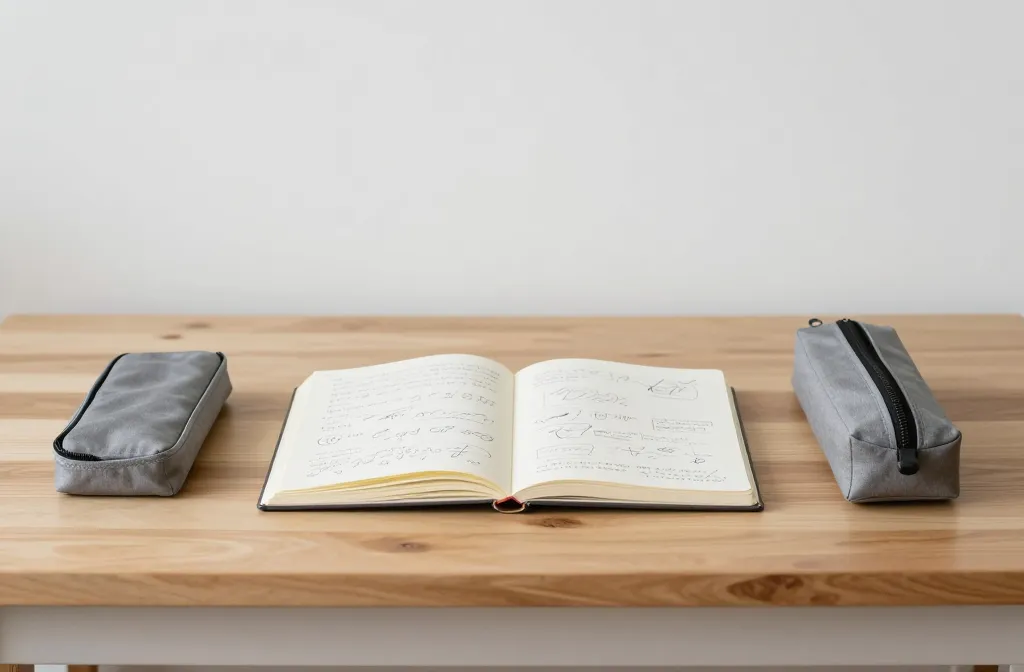
An easy truth: your craft style isn’t stamped in stone. It evolves as you dabble, fail, and try again. This guide helps you cut through the noise, find what sticks, and actually enjoy the process. Let’s make crafting your own vibe, not just copying what you see.
Different Avenues: Where to Begin Exploring
Craft style starts with exposure. If you don’t know what you like yet, you won’t know what you’re good at. Try a little of everything and see what grabs you.
- Sketching and illustration
- Digital art and photo editing
- DIY projects and upcycling
- Textile crafts like sewing or embroidery
- Pottery, sculpture, or clay
- Printmaking or zine creation
FYI, you don’t need to pick one forever. Think of this as a tasting menu. You’ll know what you love by what you keep coming back to.
Notice Your Recurrent Clues: What Pops Out to You
Your brain signals you every time you see something that clicks. Start noticing patterns in what you’re drawn to.
- Which colors keep showing up in your workspace?
- Which subjects or themes keep appearing in your sketches?
- Which materials do you reach for first?
- What feelings do you want your art to evoke?
If you’re stuck, keep a “Craft Diary” for a week. Note what you tried, what you enjoyed, and what left you bored. The boring stuff is a red flag; the exciting stuff is your north star.
Dive Deeper: Masterful Short Experiments
Short, focused experiments help you test vibes without sinking hours into one path.
- Weekly small projects: 3 hours max. Try 3 different styles.
- Limit your palette: pick 5 colors and stick to them for a piece.
- Alternate mediums: paint one sketch, then turn it into a digital piece.
Experimentation keeps motivation high and pressure low. If a method bombs, you’ve learned something valuable without a massive time sink.
Mini Challenge: The 7-Day Style Sprint
Each day, pick a vibe (minimalist, vibrant, moody, whimsical) and produce a small piece. Reflect at the end of the week: which vibe felt most natural? That’s a strong clue to your style.
Develop a Visual Language: Signposts That Speak Your Name
Your craft style should feel unique to you, not like a copycat montage from the internet. Build a few consistent elements that readers or viewers can instantly recognize.
- Signature color or color pairing
- Distinct line weight or brush stroke
- Recurring motifs or symbols
- Common compositional rules you bend on purpose
Don’t chase trends to please others. Trends fade; a strong visual language sticks around and grows with you.
Subtlety Wins: Evolving Your Signature Elements
Let your signature elements mature over time. Start bold, then dial back or tweak as your taste shifts. Your younger self might go wild with neon, while your future self settles into a calmer, cohesive look.
Seek Feedback Without the Fomo
Opinions matter, but they don’t own your future. Get feedback from people you trust and know your goal.
- Friends who create, teachers, mentors, or a local maker community
- Ask specific questions: “What feelings does this piece evoke?” or “What’s one thing here I could improve?”
- Be brave and share rough drafts. You’ll learn more from early stages than from polished perfection
IMO, constructive criticism is a superpower. It accelerates your growth and helps you stop pretending you’re already perfect.
Showcase Your Progress: A Lightweight Portfolio
You don’t need a grand gallery. A simple, evolving collection works wonders for confidence and direction.
- Digital portfolio: a folder on your computer or a simple online page
- Social snapshots: post progress shots with honest captions (don’t overthink the aesthetics)
- Documentation: date and describe what you learned with each piece
Having a record helps you see your trajectory. FYI, you’ll be surprised at how your taste shifts when you look back a few months later.
Turn Passion Into a Routine: Making Time Without Burning Out
Consistency beats intensity. Small, regular sessions keep your style fresh without turning into a grind.
- Schedule 2–3 short sessions per week
- Set a tiny, specific goal for each session
- Cut yourself some slack—you’re a teenager with a life
Remember, your craft is a journey, not a race. FYI, pace yourself and keep the joy intact.
Broaden Your Lens: Cross-Pollinate for Fresh Inspiration
Borrow liberally from different fields. The weird crossovers often yield the most interesting results.
- Combine doodling with collage
- Mix digital edits with traditional media
- Incorporate music, film, or fashion vibes into your pieces
Cross-pollination keeps your work dynamic and prevents you from boring yourself with sameness.
Practice Mindful Creation: The Why Behind Your Art
If you don’t know why you’re making something, you’ll exhaust yourself chasing trends. Tie each piece to a feeling, story, or idea you care about.
- Ask: What do I want this piece to say?
- What emotion do I want my audience to feel?
- What personal memory or idea does this piece reflect?
IMO, purpose is the secret sauce. It makes your craft feel personal, not performative.
FAQ
Q: How long does it take to find my craft style?
There’s no fixed clock. Some teens lock in a vibe in a few weeks; others take several months. The key is consistent exploration and honest reflection. If you’re not enjoying something after giving it a fair shot, move on to the next thing with zero guilt.
Q: Can I have multiple styles at once?
Sure. You can flirt with several looks and see which one sticks. Just keep a main through-line so your work feels cohesive overall, even if you experiment with different moods.
Q: What if input from friends is mixed?
Filter feedback by usefulness. If multiple people say the same thing, that’s a hint worth listening to. If feedback contradicts itself, trust your gut and try again.
Q: Should I share my beginner work publicly?
Sharing early work can be terrifying but incredibly rewarding. You’ll attract supportive people and you’ll get real-world feedback. If you’re worried, share in a small, like-minded group first.
Q: How do I stay motivated when I feel stuck?
Take a break, switch mediums for a bit, or revisit a project with fresh eyes. Sometimes the best move is a tiny reset: a different color palette, a new tool, or a new theme that excites you.
Conclusion
Finding your craft style as a teenager isn’t about picking a final destination today. It’s about taking small, intentional steps that reveal what resonates with you. Explore, experiment, ask questions, and archive what you learn. Before you know it, you’ll have a recognizable vibe that’s 100% you—and you’ll actually love making things again and again.