
How to Craft With Two Kids of Very Different Ages

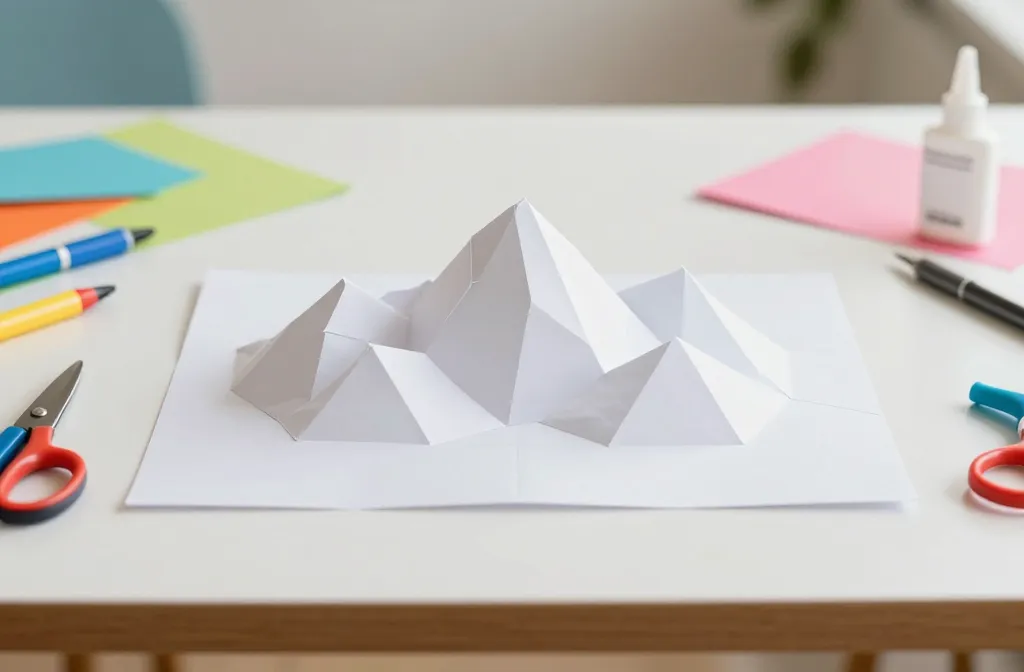
An afternoon of crafting can turn into chaos faster than you can say “glue stick.” But with a little planning and a big dash of patience, you and your two kids can create something amazing—without losing your mind. Here’s how to balance the creative chaos and actually enjoy the mess.
Why Crafting With Different Ages Is Worth It
Crafting isn’t just about making pretty stuff. It’s about shared focus, problem-solving, and brag-worthy pictures for the family album. When kids of different ages collaborate, they teach each other, stretch their skills, and surprisingly, learn to negotiate. FYI, the earliest lesson is patience—yours and theirs.
Set Up a Surprising Stations Layout
Think of your craft space like a tiny kitchen: stations, clear tasks, and zero wasted steps.
- Primary station: for the younger kid. Simple tasks like coloring, sticker placement, or gluing pre-cut shapes.
- Challenge station: for the older kid. More complex tasks like cutting with safety scissors, painting details, or assembling a small component.
- Shared station: a big work surface where collaboration happens—think large canvases, collaborative murals, or a group sculpture.
Tiny tip: keep tools color-coded and within reach. When a kid knows exactly where the scissors live, the chaos stays contained.
Choose Projects That Scale Easily
Your best bets are projects that have a flexible core but adjustable complexity. Here are some ideas that tend to thrive with two ages in the mix.
- Collage murals: Younger kids handle shapes, older kids handle composition and layering.
- Build-a-scene dioramas: Younger kids focus on texture and color; older kids plan the scene and attach sturdy supports.
- Friendship bracelets with a twist: Younger kids braid simple patterns; older kids add knots or beads for advanced patterns.
- Paper crafts with stretch goals: Easy origami for beginners, more intricate folds for the seasoned crafter.
Offer Choice Yet Keep Boundaries
Let each child pick a core idea, but set guardrails so the project moves forward. Who picks first? The younger kid, then the older one, then you summarize the plan.
How to set boundaries without killing creativity
- Limit the palette to 5-6 colors to avoid color chaos.
- Assign one “upgrade” option per kid—extra glitter for the older, extra stickers for the younger.
- Pre-cut shapes and safety scissors should be within reach only in the designated zones.
Timeboxing: Make It Flow, Not Drag On
Two kids, two energy levels, one finite window. Timeboxing helps.
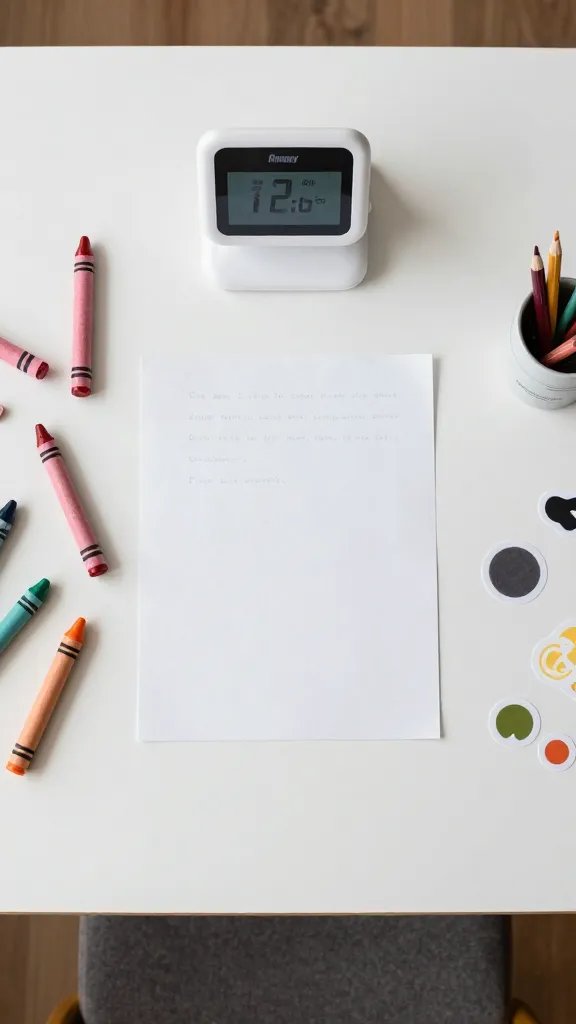
- Set a main crafting window (20-30 minutes) with a visible timer.
- Switch tasks at the halfway mark to keep both kids engaged.
- End with a quick cleanup race. Winner gets the last snack bite or a 3-minute draw-it-yourself storyboard.
Engage Both Sides of the Brain
Imaging and logic, art and plan—your kids will benefit from both.
Practical tips to balance creativity and planning
- Start with a rough sketch for the older kid; let the younger kid freeform around the edges.
- Use guided prompts: “What color would this wear in sunlight? How can we add texture?”
- Replace perfection with progress: celebrate a well-glued edge or a neat color blend.
Safety and Supplies: A Quick Check
No one wants to end a craft session with a dramatic glue incident or a busted project.
- Glues that dry clear and non-toxic for little hands
- Safety scissors for both ages; you can buy kid-safe versions with different blade tensions
- Washable paints, aprons or old shirts, and a dedicated “craft towel” area
- Plenty of trash bags or a reusable apron for quick cleanup
Encourage Cooperation Without Crumbling Under Pressure
Two kids, two personalities, one project. It’s bound to get a little tense.
Ways to keep the vibe positive
- Call out shared wins: “We nailed that color blend together!”
- Rotate roles so each kid builds leadership skills—one paints, one glues, all contribute ideas
- Use humor to defuse tension: a goofy soundtrack or silly voices during the build can do wonders
Involving Imitation and Help: The Gentle Push
Older kids want to help but not be bossy. Younger kids want guidance without feeling talked down to.
- Pair them as a “Studio Team” with a shared goal.
- Give the older kid a mentorship role: “You’re the texture captain.”
- Offer “Yes, and…” prompts to keep ideas flowing without derailing the session.
Project Ideas You Can Try This Weekend
Here are ready-to-go options that scale nicely.
- Seasonal wreaths with layered paper leaves (young kid glues, older kid adds details)
- Mini terrariums using craft foam and bottle lids (older kid handles assembly, younger kid decorates)
- Storybook diorama: pick a favorite scene and recreate it with cardboard, fabric scraps, and tiny characters
- Texture collage: anything goes—fabric, foil, yarn, and paint swatches to create a tactile art piece
FAQ
What if one child loses interest mid-project?
Keep a backup mini-task ready at the ready: a quick sticker sheet, a small additional texture, or a different color to re-engage. If needed, switch to a new task for the other child while the restless one resets. Don’t force it—sometimes a brief break is the best glue.
How do I handle conflicts over supplies?
Label supplies by color and shape or assign a “magical drawer” that acts as a shared resource. When conflict arises, offer a reset: each child lists one thing they’d like to try with the same item, and you rotate. Keep things moving, not melting down.
What if the projects end up completely mismatched?
Improvise and celebrate the fusion. A mismatched collage can become a “patchwork world” or a story scene where every piece has a backstory. The point is the process, not cookie-cutter perfection.
How can I keep cleanup from being a monster?
Make cleanup part of the game: a 2-minute sprint, each kid responsible for one task, with a tiny reward at the end. Use a portable bin and keep wipes handy. FYI, a quick ritual helps: wash, dry, and place items back in their spots in one smooth motion.
Do I need expensive gear to craft with two kids?
Not at all. Start with basic supplies: crayons, stickers, colored paper, glue sticks, safety scissors, and a handful of simple templates. You can upgrade gradually as you discover what your two kids actually love.
Conclusion
Crafting with two kids of very different ages can feel like a circus, but it’s more like a well-choreographed dance once you find the rhythm. Set up distinct stations, pick scalable projects, and give each kid ownership without letting the process derail. And yes, you’ll end up with creations you’ll actually want to display—and brag about later. So grab the glue, crank the playlist, and get ready for a session that’s equal parts chaos and charm. IMO, the mess is part of the magic.