
What Glue Actually Works on Cardboard and What Does Not

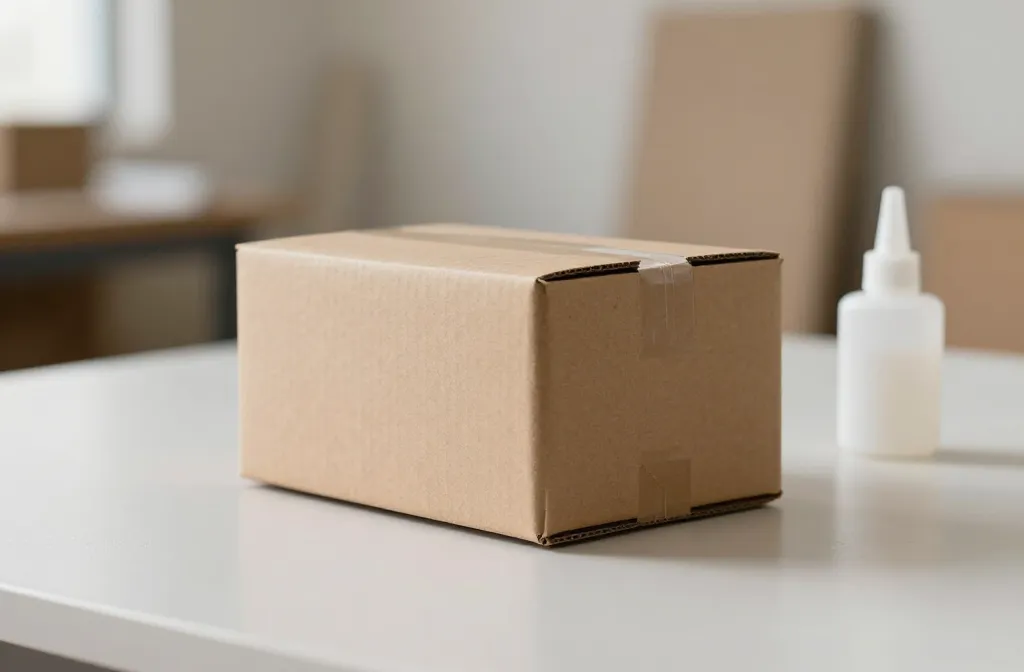
An honest, practical guide for anyone who wants cardboard to actually hold together. No fluff, just glue that sticks and glues that fail, with tips you can trust. FYI, your project will thank you later.
What makes cardboard different from other surfaces?
Cardboard isn’t just thick paper — it’s a layered, fibrous structure that’s flexible, porous, and sometimes coated. That means some glues soak in and others form a quick bond, while a few stubborn types won’t grab at all. We’ll cover the winners, the losers, and the sweet spot where stuff actually sticks.
Best glues for cardboard you can rely on
- PVA wood glue (white glue): Great for light to medium-duty projects. It dries clear on most cardboard and bonds well with the fibers.
- Craft glue (school glue): Easy to spread, dries flexible, and works for paper-to-cardboard work or temporary builds.
- Rubber cement: Quick, repositionable, and ideal for paper overlays. Not ideal for heavy loads, but fantastic for dry-fit and art collages.
- Hot glue: Quick and strong for thicker pieces or 3D builds, but beware of neat seams that show through. It can warp thin cardboard if you apply too much heat.
- Contact cement: Very strong and instant, but needs precise alignment. Use sparingly and keep away from kids’ projects unless you’re supervising.
- Hardening glues for cardboard crafts like PVA + baking soda mix: DIY option that stiffens edges without too much weight. Fun for science fair props.
Glues that usually fail on cardboard (and why)

- Super glue (cyanoacrylate): Works on cardboard—but only for very small, rigid parts. The porous nature can soak up glue unevenly, leaving brittle joints. You’ll likely get a snap before you finish your project.
- Epoxy without surface prep: Strong, but cardboard’s fibers can soak away the resin, leaving a pale, weak bond. Prep helps, but it’s often overkill for cardboard builds.
- Wood glue on damp or glossy cardboard: If the surface is damp or slick, you won’t get the bite you need. Cardboard loves a dry, open surface to grab hold.
- White glue that’s old or too thin: Old glue loses tack, thinning glue runs, and you end up with a soggy mess. Always test a small corner first.
Tips for getting a sturdy cardboard bond
- Surface prep matters: Lightly sand glossy coatings or wipe with a dry cloth to remove dust. A clean surface grips better.
- Clamp or weight substitutions: Use clamps, rubber bands, or a stack of books to keep parts together while the glue dries. Cardboard hates moving targets.
- Thin, multiple layers: If you’re gluing a hinge or edge, apply a thin layer, let it set a bit, then add a second coat for a stronger bond.
- Use a barrier for excess soak: A small amount of masking tape along edges helps control glue bleed and keeps joints neat.
- Time vs. strength: Some glues set fast but don’t reach full strength for hours. Plan for a dry-cure period before stressing the joint.
Section for specifics: constructing cardboard boxes and props
Box-making is all about edges and corners. Use a strong, flexible bond on seams and avoid overloading edges with glue. For props that need shape, hot glue works well to build a frame quickly, then finish with craft glue for the edges. FYI: test a tiny section first to see how the cardboard handles the glue and heat.
When you should use edge reinforcement
Apply a thin strip of glue along the edge and press a scrap piece across it. This creates a rib of extra strength without bulking up the surface. It’s perfect for moving parts that hinge or fold.
How to handle thin or corrugated cardboard
Corrugated sections love puncture resistant glues. Use longer open time glues like PVA to avoid squeezing out too fast. If you’re layering, consider a sandwich method: glue, sheet, glue, sheet, clamp.
Troubleshooting common problems
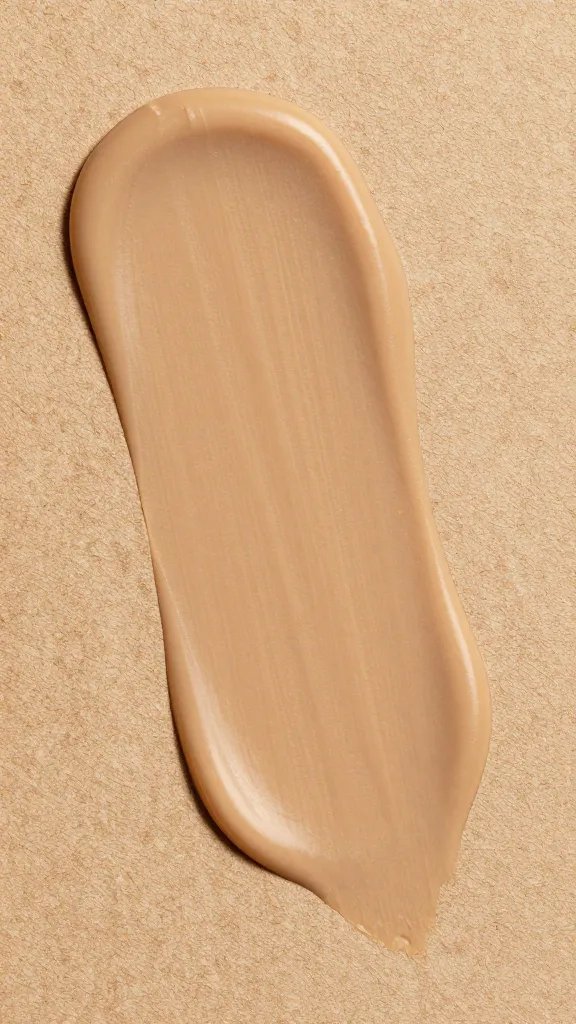
- Glue drying cloudy: This usually happens with white glue on porous cardboard. Use a small amount and wipe away excess while wet.
- Warpage after drying: Weigh the piece down or add battens (thin supports) while it cures. Avoid stacking heavy items on top until sturdy.
- Edges peeling: Use a strip of reinforced tape or a dab of glue to seal the edge and prevent lifting.
Material mix-ups and what to avoid
Mixing glue types can be tempting to save time, but it often backfires. For example, using hot glue on a delicate paper layer plus PVA can cause edges to separate as the glue cools. If you’re unsure, test a small swatch first and compare how the bond holds after a few hours.
When in doubt, test before you commit
Cardboard is forgiving, but not magical. Do a quick test run with your planned glue on a scrap piece. Check for tack, strength, and any warping after a drying period. It saves you from a project-ending misstep later.
FAQ
Can I use wood glue on any cardboard project?
Wood glue is a solid all-rounder for cardboard. It bonds well with fibers, dries clear, and remains flexible enough for light-to-medium loads. For heavy loads or precision work, pair it with clamping and a second layer for reinforcement. IMO, it’s a reliable default choice.
Is hot glue bad for cardboard crafts?
Hot glue isn’t bad; it’s fast and forgiving. It works best for thicker cardboard pieces and 3D builds. Don’t rely on it for long-term structural strength or very thin edges, though. It can warp thin cardboard if you apply too much heat.
Should I seal the cardboard before gluing?
Sealing isn’t always necessary, but it helps in some cases. If your paper surface is very porous, a light sealant or primer can reduce absorption and improve bond uniformity. FYI, avoid sealing if you want a paint-ready surface that needs to grip glue later.
What glue is best for cardboard that will be handled a lot?
For handles and frequent handling, use a flexible glue like PVA or craft glue with a finishing layer. Hot glue can work for quick builds, but it may crack with repeated bending. A combination approach often works best: a strong adhesive for the core bond plus a flexible layer for surface grips.
Can I reuse cardboard parts after gluing?
Reusability depends on the glue. PVA and craft glues often allow mild disassembly if you’re careful, especially when not fully cured. Be mindful that forcing apart can damage fibers and reduce future bonding strength. If you plan reuse, consider mechanical fasteners like clips or slots in addition to glue.
Conclusion
Cardboard isn’t a doomed material; it just needs the right glue and technique. If you want a bond that lasts without turning your project into a messy, sagging mess, pick a glue that matches the weight and use case. Start with a reliable option like PVA or craft glue, test on a scrap, and don’t rush the cure. By treating cardboard like the flexible, layered material it is, you’ll get joints that hold up and a project that actually looks like what you intended.