
How to Cut Cardboard Cleanly Without Tearing the Edges

Let’s be real: cutting cardboard cleanly feels like a tiny victory dance. You want crisp edges, not a ragged mess, and you want it done fast. I’ve got you covered with practical hacks, tricks, and a few silly shortcuts that actually work.
Why Cardboard Edges Tear in the First Place
Cardboard tears mainly because of pressure, grain direction, and the tool you’re using. If you’re slicing against the grain or pressing too hard, you’ll get snagging and jagged edges. Also, cheaper cardboard frays more easily than sturdy corrugated stuff. FYI, a little patience goes a long way.
Tools That Make Clean Cuts a No-Brainer
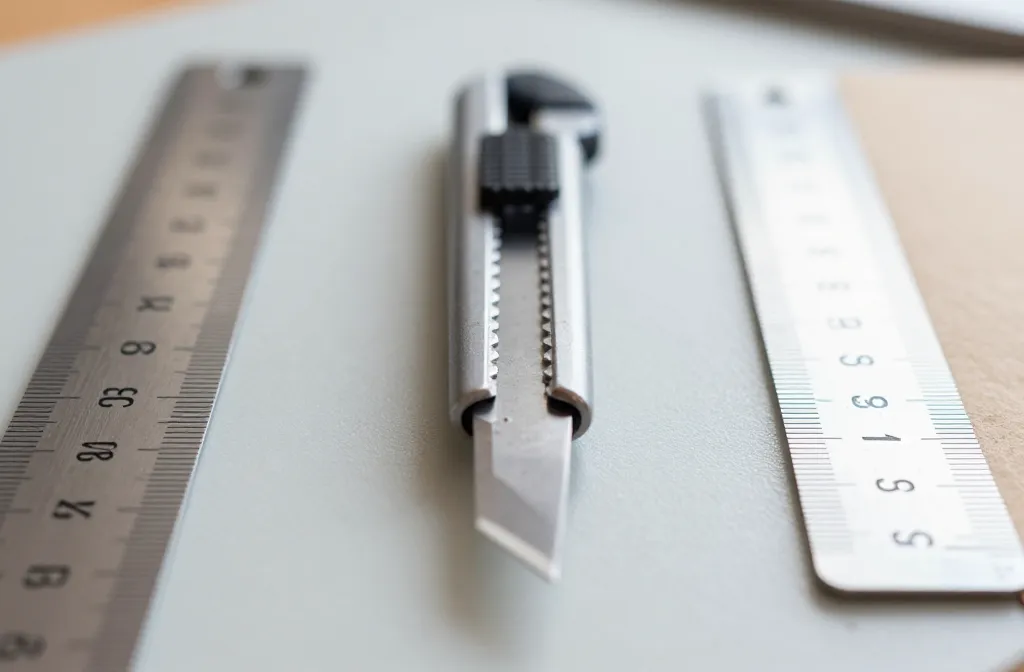
- Craft knife or utility knife with a sharp blade
- Ruler or straightedge as a guide
- Cutting mat or thick cardboard to protect surfaces
- Scoring tool for stubborn sheets
- Windex or soapy water for quick edge dampening (optional)
Yes, you can wing it with a box cutter, but a sharp blade and a straightedge make all the difference. A dull blade tears; a sharp blade glides.
Step-by-Step: The Clean-Cut Routine

- Prep the cardboard: Remove tape, labels, or flaps. Lay it flat on a cutting mat.
- Measure twice, cut once: Mark your line with a pencil or a light groove from the blade’s edge.
- Score before you cut: Lightly drag the blade along the line to create a shallow groove. This reduces tearing.
- Use the straightedge: Align the ruler with your mark and press down firmly as you cut in smooth, long strokes.
- Control your pressure: Let the blade do the work. Don’t smash down—let the sharp edge glide.
- Finish with a clean pass: If any jagged bits remain, go over them with a single, careful pass in the same direction.
Pro Tips for Different Cardboard Types
Corrugated vs. Flat Cardboard
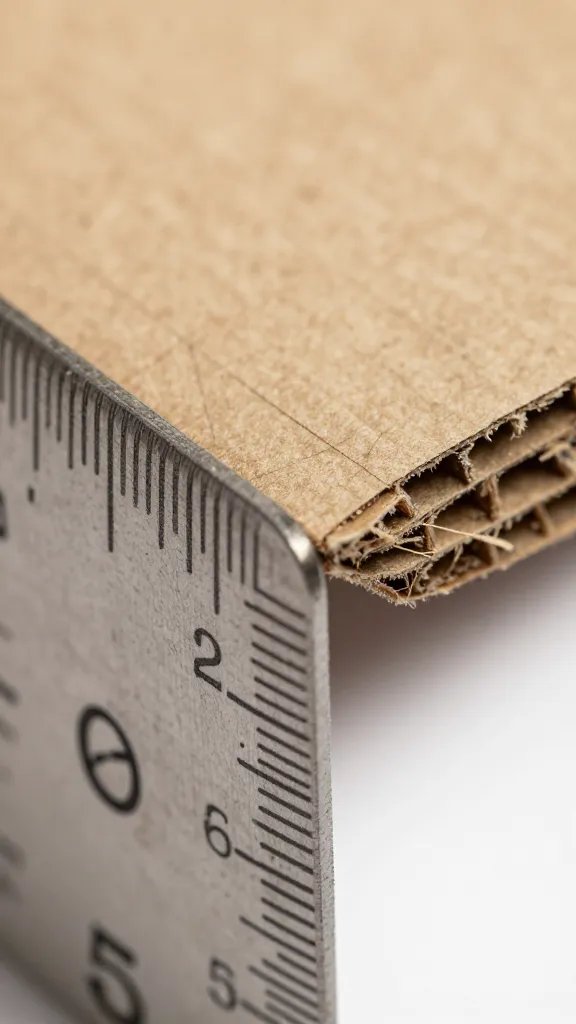
Corrugated cardboard has layers. It’s tougher to cut perfectly, but a two-step approach helps: score the surface first, then cut through the fluted middle with controlled pressure. For flat cardboard, a single clean pass often suffices.
Thick Boxes and Shipping Materials
Thicker cardboard benefits from a scoring pass and then a solid cut. Use a sharp blade at a shallow angle to avoid tearing the outer layer. If it’s stubborn, switch to a utility knife with a heavier handle for better leverage.
Quick Fixes if You Don’t Have a Cutting Mat
- Lay three sheets of scrap cardboard underneath to create a stable cutting surface.
- Use a scrap piece of wood as a rigid backing so the blade doesn’t wander.
- Place a scrap ruler or metal straightedge to guide your cut.
Improvise like a pro, but don’t compromise the edge in the process. FYI, a stable base is half the battle.
Common Mistakes and How to Beat Them
- Mistake: Dull blade. Fix: Replace or sharpen blades often; it makes a major difference.
- Mistake: Pressing too hard. Fix: Let the blade do the work; light, steady strokes beat brute force every time.
- Mistake: Skipping the scoring step. Fix: Score first to create a guided path.
- Mistake: Cutting against the grain. Fix: Align your cut with the grain direction where possible.
Edge Finishes: Getting Crisp, Ready-to-Use Edges
After you cut, you might still notice a slight roughness. Here are quick fixes:
- Sanding: Lightly sand with fine grit (100–150) to smooth the edge. Wipe away dust.
- Double-cut: For super neat edges, cut once, then flip and cut again over the same line with a fresh blade.
- Moistened edge: A tiny dab of water can settle fibers, then a light run with a blade brushes them clean.
Don’t overdo moisture; cardboard hates being soggy. IMO a touch of dampness is enough to settle fibers without warping.
Creative Uses for Clean Edges
- Sharp templates for crafts or model making
- Perfect-fit inserts for packaging or storage
- Precise decorations and signage on cardboard projects
With clean edges, your DIY projects look more polished and professional. It’s the small stuff that sells the result, right?
When You Might Want to Break the Rules
Sure, the method above works, but sometimes you’re under a deadline or dealing with extremely thick or coated cardboard. In those moments, you might need a hot knife, a laser cutter, or a sturdier utility knife with a ruler-guided guide. If you do it safely, it’s legit to adapt. FYI, safety first—always cut away from your body and wear eye protection if things get tricky.
Alternative Tools for Special Jobs
For precision cuts, you could try:
- Rotary cutter for long straight lines
- Mouse or hobby knife for tight curves
- Laser cutter for intricate designs (if you have access)
These aren’t mandatory, but they can save you time with complex shapes.
FAQ
How do I prevent tearing when cutting thick cardboard?
Score first to create a guided groove, then cut with a sharp blade using long, even strokes. Use a straightedge and apply steady pressure—avoid twisting the blade or cutting at an angle. A two-pass approach helps on very thick sheets.
Can I use household knives, or do I need a craft knife?
A good sharp craft knife or utility knife is ideal. Household kitchen knives aren’t designed for precise cardboard work and can slip easily, causing tears. If you must improvise, at least sharpen the blade and cut slowly along a ruler.
What if my edges still fray after cutting?
Try light sanding with fine grit or a gentle dampening of the edge, followed by a clean pass with a fresh blade. If you’re making a lot of cuts, a second scoring pass before the main cut can help lock fibers in place.
Is it okay to cut cardboard on a wooden table?
It’s fine, but protect the surface. Use a cutting mat or at least a thick scrap of cardboard under your work. This protects both your table and the blade, reducing slips and edge damage.
Do I need to wear safety gear?
Wear safety glasses if you’re dealing with thick sheets or sharp blades. Keep fingers away from the cutting line and cut away from your body. It’s not about being dramatic—nobody wants a knicked finger for a DIY project.
Conclusion
Cutting cardboard cleanly is less about mystical tricks and more about the basics: a sharp blade, a straightedge, and a patient hand. Score, guide, and cut with long, smooth strokes, then finish the edge with a light touch. FYI, you’ll feel like a wizard the first time you watch a jagged edge morph into a neat, crisp line. The entire process is a little ritual, but the payoff is a polished project you’re proud to show off.