Why Crafting Helps With Teen Stress and Anxiety

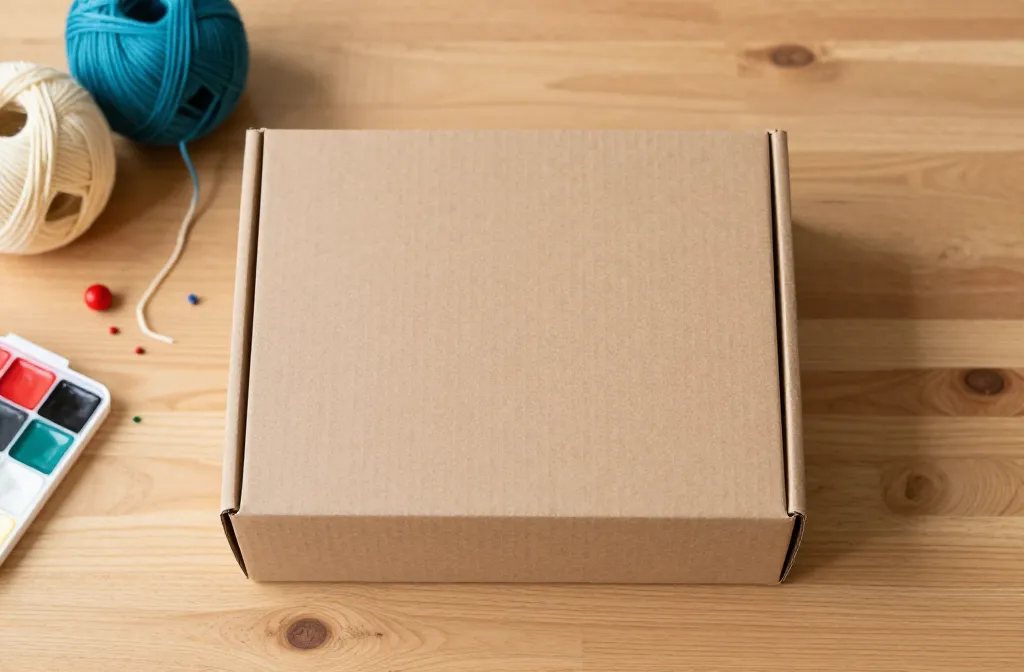
Feeling overwhelmed is basically a teen rite of passage. But what if a cardboard box, some yarn, or a splash of paint could cool the storm in your brain faster than scrolling through memes? Crafting isn’t just cute Pinterest vibes—it can be a legit tool for taming stress and anxiety in teens. Here’s how, with a few practical ideas you can actually try.
What Happens in Your Brain When You Create
– Crafting gives your brain a break from ruminating. When you focus on a project, you switch from a doom-scroll loop to a goal you can actually complete.
– It boosts dopamine in real time. The little wins—tying a knot, stitching a seam, finishing a page—feel good and reinforce calm.
– Your nervous system learns a new rhythm. Repetitive, low-stakes tasks tell your body, “Hey, we’re safe and moving forward,” which lowers baseline anxiety.
Quick Wins: Low-Pressure Projects to Try Today
– DIY stress ball or fidget jar: Squeeze, shake, breathe. Simple, satisfying, and totally non-judgmental.
– Scrapbooking or journaling with doodles: Capture memories, sort thoughts, and keep the brain busy without perfectionism.
– Easy knitting or crochet: Two basic stitches can create a sense of progress without needing to be a pro.
– Painting a small canvas: No rules, just color therapy. FYI, color-mixing can be oddly meditative.
– Origami or paper crafts: Fold, crease, and admire your little masterpieces. Physical manifestation of “I’m handling this.”
Deeper Dive: Why Texture, Color, and Hands-On Work Matter

Textural Calm: The Joy of Making Things You Can Touch
Touch signals safety to the brain. The feel of yarn, clay, or wood gives your senses something concrete to latch onto, which cools excessive worry and brings focus back.
Color as a Mood Dial
Colors aren’t just aesthetics; they subtly shift mood. Softer hues can be grounding, while brighter tones may spark energy and motivation. Use color to match your energy level or to gently nudge it in a healthier direction.
Flow State Without the Pressure
When you get into a rhythm you can sustain, time disappears. That flow isn’t mystical—it’s a real brain state where attention aligns with the task. You come out the other side calmer and more centered.
Social Crafting: Shared Projects That Build Support
– Group projects can turn anxiety into connection. Even a quick group craft at lunch or after-school club creates micro-moments of belonging.
– You don’t have to be “the crafter” to benefit. Join a class or watch a tutorial together with a friend. Small, friendly accountability helps you stay on track.
– Sharing results boosts confidence. Show your progress, celebrate tiny wins, and let compliments land. It’s a confidence upgrade with glitter.
Habit Building Without the Guilt
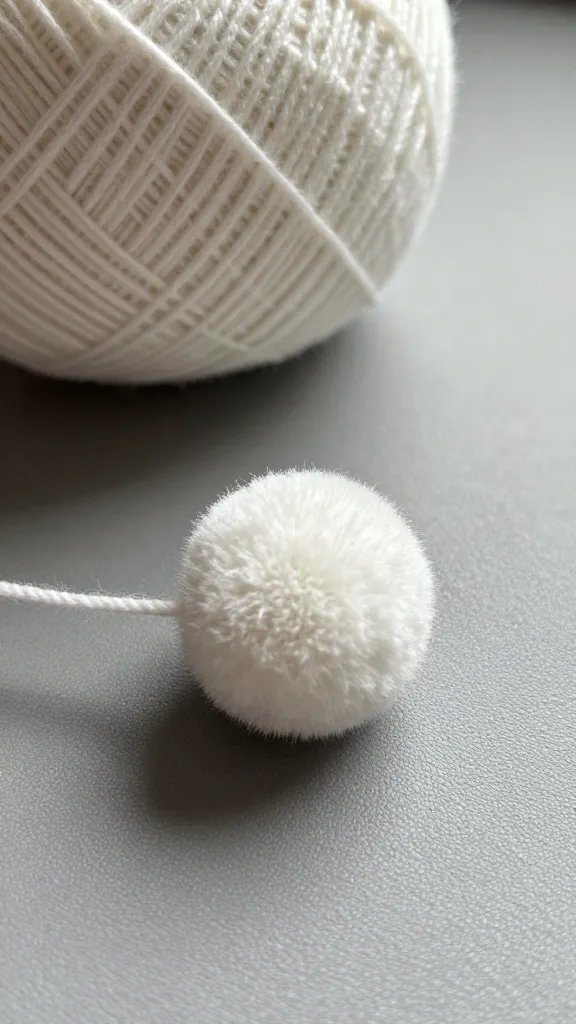
– Set tiny, doable goals. “Finish one pom-pom.” “Complete three rows.” Tiny tasks keep you moving without pressure.
– Keep a simple kit ready to go. A bag with scissors, glue, colors, and a few starter projects means you’ll actually start.
– Schedule 10–15 minutes a day. Consistency beats intensity; tiny investments compound over time.
When Crafting Feels Stuck: Common Hurdles and Quick Fixes
– Procrastination fog: Break tasks into micro-steps. Write them on sticky notes and tackle the easiest one first.
– Perfectionism panic: Embrace “good enough” and celebrate progress, not polish. Your brain doesn’t need a flawless finish to feel calm.
– Time crunch: Choose portable crafts you can do anywhere. A zipper pouch you sew on the go? Totally doable.
Materials On a Budget: Getting More Bang for Your Buck
– Start with what you have. Old shirts become tote bags; scrap paper becomes collage pages; yarn from a thrift store is a treasure.
– Repurpose household items. Cardboard, bottle caps, and strings can become surprisingly satisfying projects.
– Digital crafting counts too. Embroidery apps, pixel art, or simple design on a tablet can scratch the creative itch when supplies are tight.
FAQ
Is crafting actually effective for teen anxiety, or is it just a distraction?
Crafting is more than a distraction. It engages attention, reduces rumination, and fosters a sense of mastery. The immediate wins—finishing a piece, solving a small problem—build confidence and calm, which helps long-term coping.
What if a teen isn’t naturally “creative”? Can crafting still help?
Absolutely. Creativity isn’t about being Picasso. It’s about expressing, exploring, and aligning attention. Try simple, hands-on projects that don’t demand artistic skill. The point is the process, not the product.
How can parents or guardians support without taking over?
Offer supplies, space, and gentle encouragement. Avoid micromanaging; instead, ask, “Want to try this with me?” or “Do you want feedback or space to figure it out?” Let the teen lead the project at their own pace.
Are there risks or things to watch out for?
Most risks are minor—sharp tools, small parts, or materials that trigger allergies. Always supervise younger teens with hazardous tools. For older teens, respect boundaries; if crafting becomes a fixation or avoidance method, check in with a counselor.
Can crafting complement therapy or school support?
Yes. Crafting can be a practical at-home extension to therapy or school-based stress management programs. It provides tangible coping skills that can reinforce strategies learned in sessions or classes.
Conclusion
Crafting isn’t a magical cure, but it’s a surprisingly effective ally for teen stress and anxiety. It offers quick relief, builds a sense of control, and turns everyday moments into mini-successes. So grab a kit, invite a friend, and start with something tiny. FYI, you might just find a new calm rhythm you actually want to maintain. If you’re skeptical, try one 10-minute session today and see how you feel on the other side. You might be surprised how much a simple project can reset a brain that’s been spinning.