How Long Should a Kids Craft Session Actually Be by Age

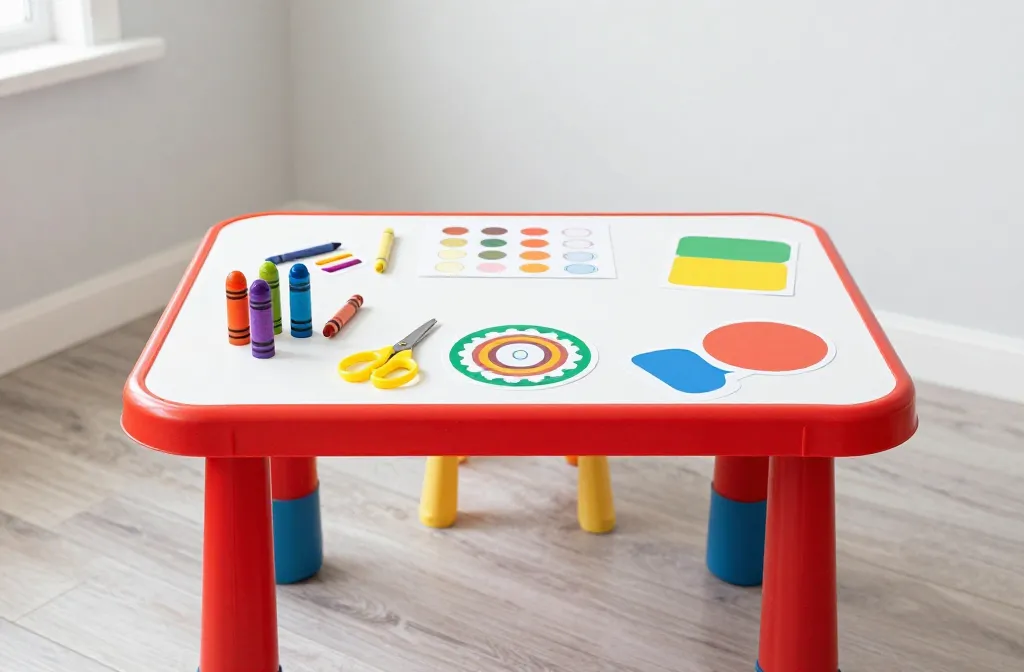
An excited spark lights up when kids grab scissors and glue, but time can make or break the fun. This guide breaks down craft session lengths by age so you can keep tiny hands busy without the meltdown. FYI, a great craft is less about the project and more about the vibe—and a little structure goes a long way.
Why Session Length Even Matters
Kids aren’t built to power through hours of crafting. Attention spans, patience, and stamina vary with age and personality. Short, sweet bursts usually yield better results than marathon sessions that end in glue-covered chaos. If your goal is creativity, not chaos control, start with shorter blocks and ramp up gradually.
Infants and Toddlers: 5 to 15 Minutes of Magic
– Keep materials super simple: chunky crayons, safety scissors, large stickers, and chunky glue sticks.
– Focus on exploration rather than finished products. Let them smear, stack, and squish without worrying about neatness.
– Short, guided sessions work best. Plan 1–2 activities, each 5–7 minutes.
– Safety first: non-toxic supplies, secure surfaces, and close supervision.
Preschoolers: Building Momentum in 15 to 25 Minutes
– They can handle a tiny project with steps. Try a 2–3 step activity like “make a feathered mask” or “decorate a cardboard frame.”
– Keep transitions smooth: display stations or a tidy-up ritual to cue the end.
– Include a helper moment: let them choose colors or stickers to boost ownership.
– Pro tip: rotate stations every 10–12 minutes to reset attention and keep energy high.
Kindergarten to Early Elementary: 25 to 45 Minutes
– At this stage, kids can manage more complex projects with guided instructions.
– Plan a main craft plus a quick, optional add-on. If the first part stalls, switch to the add-on to salvage the session.
– Balance open-ended exploration with a clear goal. Kids love the sense of purpose.
– If you’re hosting a group, keep groups small (4–5 kids) and assign a rotating “craft captain” to help peers.
Late Elementary: 40 to 60 Minutes—With Structure
– Most kids in this phase can stay engaged for a full crafting hour if the project is enticing.
– Break the session into chunks: 15 minutes idea, 20 minutes creation, 5 minutes cleanup, 5 minutes show-and-tell, 5 minutes reflection.
– Offer choice: provide 2–3 project paths and let them pick. Autonomy boosts focus.
Older Kids and Tween Vibes: 60 Minutes and Beyond (If They’re Hooked)
– When curiosity is high, a longer session works—especially with a multi-step project like building a cardboard city or sewing a simple plush.
– Build in collaboration: small teams can brainstorm, draft, and showcase. Social motivation often keeps momentum.
– Keep it fresh: change materials, introduce a tiny challenge, or sneak in a mini “craft critique” at the end.
Structure Without Stifling Creativity
– Start with a clear goal: what should the kid end up with? A finished paper mask, a decorated frame, a storytelling prop? It helps.
– Use a predictable rhythm: set up, create, clean up, show and tell. Kids love consistency.
– Build in milestones: “Finish line” moments where they can proudly share or compare. It’s motivation, not pressure.
– Keep supplies accessible: fewer steps means fewer delays. Lay everything out in a tidy, kid-friendly way.
How to Read Your Child’s Cues
– Signs they’re ready to switch activities: restlessness, disinterest, or frequent asking to move on.
– Signs they’re in the groove: sustained focus, excited chatter about the project, and steady progress.
– If they burn out: switch to a quick, calming cleanup ritual or offer a simpler version of the project.
Adapting for Neurodiversity and Sensory Needs
– Provide quiet corners and fidget-friendly options alongside the main activity.
– Allow movement breaks between steps to reset focus.
– Offer choices with varied textures and tools, so they can engage in their preferred way.
Common Pitfalls (And How to Avoid Them)
– Pitfall: Projects take forever and kids lose interest.
Solution: Keep it tight for younger kids; offer a longer, linked project only if enthusiasm stays high.
– Pitfall: Too many options all at once.
Solution: Narrow choices to 2–3 clear paths per session.
– Pitfall: Mess becomes a barrier.
Solution: Pre-assign cleanup roles and supply mats, towels, and wipes.
FAQ
How long should a 3-year-old craft session last?
Aiming for 5 to 15 minutes works best. Keep materials simple and let exploration drive the session. End with a quick cleanup and a quick show-and-tell to celebrate tiny wins.
What if my child loses interest quickly?
Offer a short main activity plus a fast, optional add-on. If their interest drops, switch to a different, more active task or a quick collaborative project with a friend.
How long should a group craft session last?
Groups (3–5 kids) usually stay engaged for 30–45 minutes if you structure the activity with small steps and clear roles. Rotate stations and assign a helpful peer to guide.
Is it okay to let kids finish later at home?
Yes, but avoid letting the session drag late into the evening. A quick “to-go” mini craft or a photo of the finished piece can satisfy the creative itch without bedtime chaos.
How do I keep older kids engaged without pressure?
Offer a longer, open-ended project with real options: build a cardboard city, sew a simple plush, or design a poster. Let them pick the path, set a loose timeline, and celebrate progress along the way.
What about a kid who wants to craft every day?
That’s awesome energy! Rotate themes to prevent burnout and introduce a short, optional daily mini-challenge. A weekly showcase or “craft club” vibe keeps it sustainable and fun.
Conclusion
Craft sessions aren’t one-size-fits-all, and that’s the point. Tailor the length to the kid’s age, energy, and interest, then adjust as you go. The sweetest wins come from momentum—short bursts that feel doable, followed by a genuine sense of pride after a finished piece. So next time you plan a craft afternoon, map it out by age, keep a few flexible options, and watch creativity flourish.