What Craft Supplies Are Safe for Toddlers

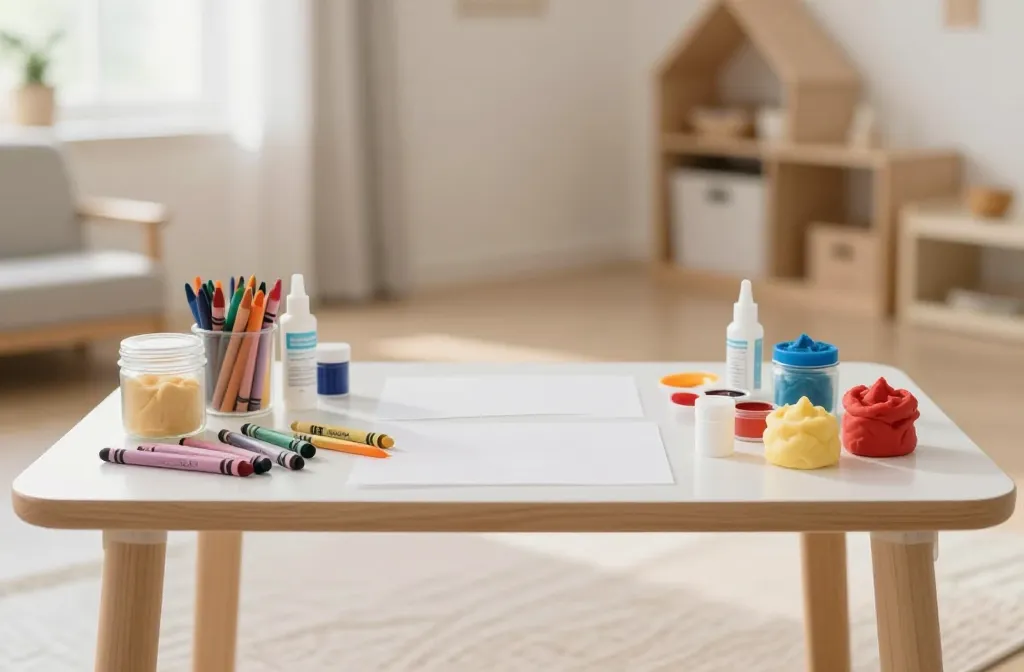
An engaging intro: Toddlers love to splash, scribble, and practically redecorate your entire house with glue and glitter. The catch? They also love to put things in their mouths and explore with reckless curiosity. Let’s cut the chaos with smart, safe craft picks that keep the mess manageable and the memories priceless.
What counts as “safe” for toddler crafts?
– Each item should be specifically labeled as non-toxic. If it isn’t, you should probably skip it, no matter how bright the packaging looks.
– All small pieces are a no-go. Toddlers love to taste-test everything, including tiny beads or buttons, so avoid anything that can fit in a 1-inch hole.
– Durable, washable options win. Toddlers spill, smear, and smear again. Materials that are easy to clean save you from a parenting sitcom montage.
Core supplies that pass the toddler sniff test
– Crayons and markers labeled non-toxic
– Washable tempera paints
– Tempera watercolor sets
– Non-toxic glue sticks and washable school glue
– Large safety scissors (blunt tip)
– Finger paints and edible paints (for the extreme mess days)
– Playdough or modeling clay with no added choking hazards
– Pre-cut adhesive shapes and large beads (avoid tiny pieces)
– Paper, cardboard, and easy-to-clean surfaces
Why non-toxic is non-negotiable
Non-toxic means the products are formulated to be less risky if they end up in little mouths. FYI, it doesn’t mean “you can eat them”—please don’t. Read labels, check for safety certifications, and trust big-name brands that stand by child-safety testing. If something smells strong, that’s a red flag. Trust your nose: if it stings or burns, wash it off and put it away.
Picking the right paints for tiny hands

– Go washable every time. The goal is end-of-day smiles, not end-of-day scrubbing
– Water-based paints beat solvent-based paints for kiddos
– Use palettes with big wells so little fingers don’t spill everywhere
Paint basics at a glance
– Use washable tempera paints for big color blocks
– Watercolors can be great for gentle color blending, but supervise to prevent tears (yep, the watercolor paper chaos is real)
– Finger paints? A classic. They love smearing and mixing colors; just keep a hoodie nearby, and your sanity intact
Glue and adhesives: sticking things together without the drama
– Choose glue sticks for the least mess
– Washable school glue is okay in small amounts, but avoid super glue near curious toddlers
– Tape plays nice with bigger crafts, and it’s easier for little hands to manage
Gluing without the tears
– Work on a washable surface or an old sheet to corral the mess
– Pre-assemble simple shapes so kids can focus on the fun of decorating
– For sticky situations, have wipes handy and model the right amount of glue
Tools that are actually toddler-friendly
– Scissors with safety blades and rounded tips
– Large brushes and sponge brushes for easier grip
– Stencils and stamps with big, chunky shapes
– Paint dabbers or sponges to reduce drippy chaos
Smart tool tips
– Let kids explore textures—crinkly paper, felt, pom-poms, and fabric scraps feel like tiny adventures
– Encourage finger painting as a starting point; it’s low-pressure and big on creativity
– Rotate tools weekly so crafts stay fresh and exciting
Storing and organizing to reduce the chaos
– Clear bins with labels help kids learn organization, and you won’t have to perform a scavenger hunt after every project
– Use a dedicated art cart or tote with sections for paints, brushes, papers, and clay
– Store sharp tools and tiny pieces out of reach, even if you think your kid is “almost a grown-up.” Trust me, they’re not
Creative project ideas that are toddler-friendly
– Handprint and footprint art with washable paints
– Collage days using safe glue sticks and big paper shapes
– Simple weaving with large lacing cards and yarn
– Texture rubbings with crayons on scrap paper
– Sensory “lava” with cornstarch and water (you’ll thank me for the fun, and the cleanup will be manageable)
Easy project: washable stamp art
– Use large stamps with non-toxic ink pads
– Let kids stamp big shapes on a sheet of paper
– Add color by painting the background and letting it dry
Easy project: mosaic with pre-cut shapes
– Provide big foam shapes or thick paper shapes
– Let kids arrange and glue them in a fun pattern
– It teaches color matching and spatial awareness without choking hazards
Nasty pitfalls to avoid (so you don’t learn the hard way)
– Tiny tiny pieces—no matter how cute, they’re a choking hazard
– Strong-smelling or solvent-based products near little noses
– Open containers within reach—accidents happen quickly
– Mixing too many products at once—fewer messy surprises if you keep it simple
Cleaning routines that actually work
– Set up a dedicated craft area with a washable surface
– Have a wet wipe zone within arm’s reach
– Use a toddler-friendly apron or old shirt to minimize wardrobe changes
– Rinse brushes and wipe down tables right after art time to prevent crusty builds-up
FAQ
What age is best for starting safe crafts with toddlers?
Most toddlers 12 months and up can start with simple, supervised crafts. Start with finger painting, large stamps, and collage activities. As kids grow, you can introduce safer scissors and more intricate projects. Always supervise and adjust to your child’s comfort level.
How do I know if a paint is truly non-toxic?
Look for labeling that says non-toxic, AP Seal from the Art and Creative Materials Institute, or similar safety certifications. Read the ingredients list for obvious irritants and avoid anything with strong solvents or small parts that could be swallowed.
What are the best washable options for a busy mom or dad?
Opt for washable tempera paints, water-based markers, and glue sticks. Save permanent markers and spray paints for when the kids are on a different planet. It’s not about perfection; it’s about keeping craft time fun and scrubbable.
How can I minimize mess without stifling creativity?
Use a dedicated crafting space, lay down a large barrier like a washable mat or old sheet, and keep tools organized. Allow kids to mess in controlled bursts—short, focused sessions beat marathon chaos. FYI, it still ends up messy sometimes, but you’ll survive.
Are edible paints a good option?
Edible paints can be a fun, safe option for the youngest kids, especially during messy play days. They’re not as vibrant as standard paints, but the peace of mind is worth it. If you’re using standard paints, supervise closely and choose edible-safe options for anyone with a tendency to taste-test everything.
Conclusion
Craft time with toddlers can be a joyful whirlwind of color, texture, and tiny masterpieces. The key is choosing safe, non-toxic supplies that are easy to clean up and genuinely engaging for little hands. Stay flexible, keep the supplies organized, and lean into the play—mess included. So, are you ready to stock up on toddler-safe supplies and start crafting unforgettable moments? Believe me, the glow on their faces is worth every gluey hug.