
What Craft Supplies Every Classroom Actually Needs

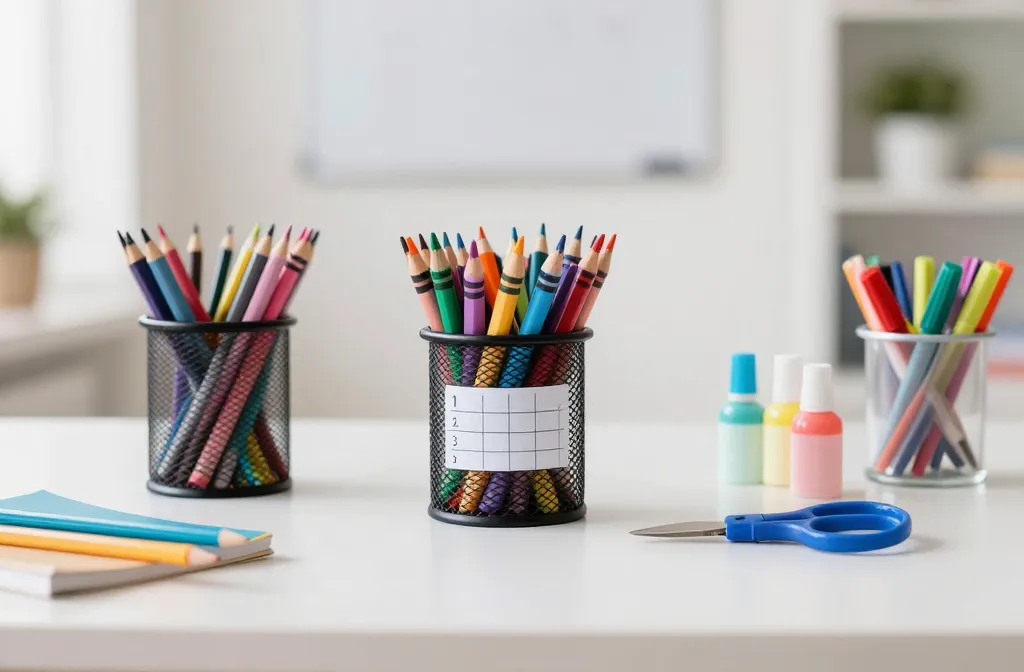
An honest, no-nonsense guide to stocking your classroom so you can teach, create, and survive the school year without drowning in glitter glue. We’ll cut through the buzzwords and zero in on the basics that actually get used, day after day. FYI, you’ll thank me when you aren’t hunting for scissors in the chaos.
The Everyday Essentials You Should Stock Right Now
You don’t need a stamp collection the size of a library. You need the basics that cover most activities, most kids, most days. Start here and you’ll save time, money, and a lot of teacher-approved headaches.
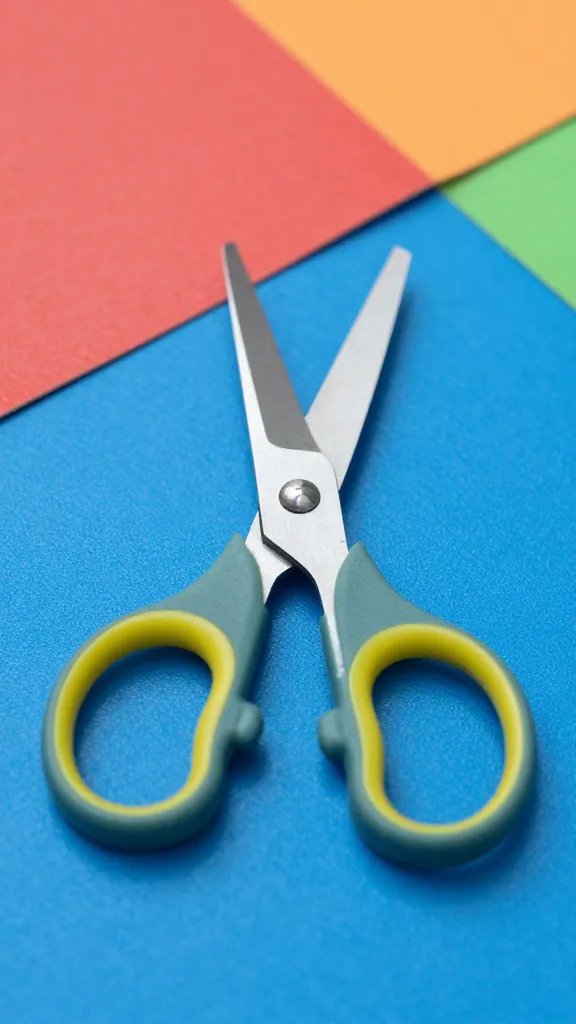
- Scissors in assorted sizes (blunt for primary, pointed for older students) – one per student isn’t necessary, but aim for a few per table.
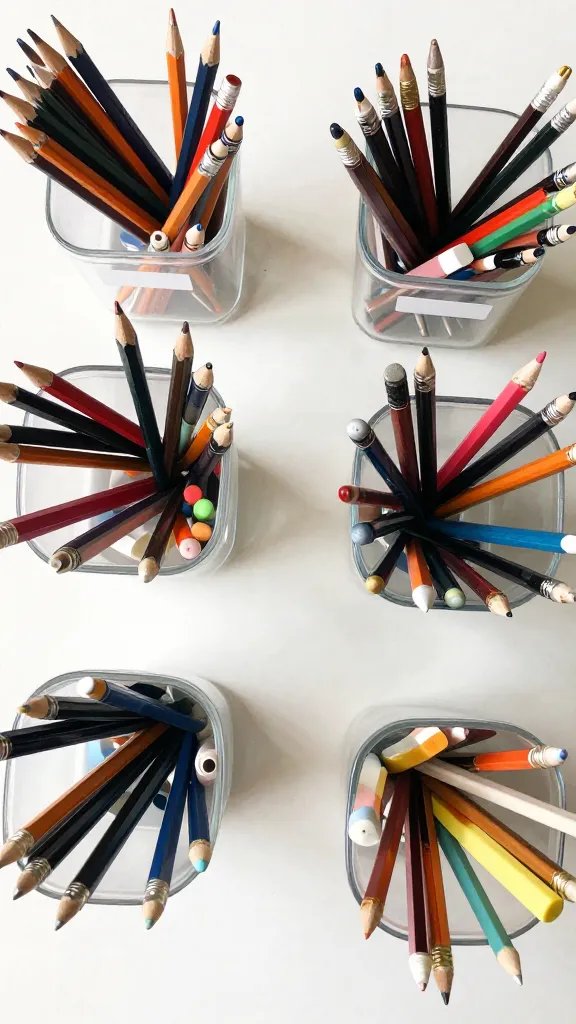
- Clear, labeled containers for pencils, crayons, markers, and tiny items. Visibility = speed and fewer “where did it go?” moments.
- Pencils and erasers (both pencils and mechanical pencils for varied tasks) – backup boxes are worth it.
- Glue sticks and a few liquid glue bottles for tighter crafts. Mess control is a real superpower.
- Coloring supplies (crayons, colored pencils, markers) in a rainbow of options so students can pick their vibe.
- Rulers, scissors, and hole punchers for easy project prep. Yes, kids still need to cut straight lines sometimes.
- Scotch tape and sticky notes for quick fixes and reminders that don’t require powertools.
Storage That Means Less Drama and More Learning
If you can’t find the glue, the project dies. If you can’t locate a label, the supplies spawn a ghost town. Smart storage saves both time and sanity.
Labeling and Organization
Label everything, even if you think you won’t need to. Use color-coded bins for different content areas and a master list so you know exactly where things live. Students can help maintain order, which builds responsibility.
Student-Centered Stations
Set up craft corners with a few ready-to-use kits: literacy kits, math stations, science experiment packs. Keep a quick-swap shelf so the room doesn’t turn into a scavenger hunt every day.
Paper, Pencils, and Post-Its: The Real Workhorses
No matter the curriculum, you’ll need reliable basics that can handle chaos, creativity, and occasional chaos-creativity.
- Post-it notes in multiple sizes for quick reminders, think-pair-share prompts, and exit tickets.
- Construction paper in a broad color range for collages, banners, and mood boards.
- Notebook paper and composition books for journals, quick writes, and science logs.
- Printer paper and card stock for handouts and project templates. Stock up on a few reams at a time.
- Dry-erase markers and a whiteboard eraser that actually works. You’ll use these more than you think.
Low-Muss, High-Impact Craft Supplies
Let’s talk about the goodies that spark creativity without driving you to hide in the supply closet.
Decorative Fuel Without the Mess
A handful of washi tapes, decorative scissors, and sticker packs can spice up projects without turning your room into a glitter disaster. FYI, limit the glitter to a controlled once-a-month craft to save your sanity.
Fine Motor Tools
Small glue bottles, eye droppers, pipe cleaners, and pony beads help with fine motor skills and open-ended construction play. It’s amazing how much students improve when you mix tactile tools with a little challenge.
Technology-Smart Craft Materials
Not every classroom has a full art room vibe, but you can mix tech-friendly options with traditional supplies to keep things fresh.
- Printable templates on cardstock for quick projects and sub plans. No one enjoys reinventing the wheel every week.
- Binder clips and rubber bands for makeshift structure building and on-the-fly organizers.
- Scannable QR codes linking to project directions or video tutorials. IMO, this saves a lot of chalk-dust storytelling.
Safety First: Kid-Friendly and Teacher-Ready
Craft time should feel magical, not hazardous. Build safety into your supply choices and classroom routines.
- Non-toxic supplies for peace of mind and fewer parent phone calls after the weekend project.
- Scissors with blunt tips for younger kids and safety stations with guidelines posted near every work surface.
- Aprons or old shirts to protect clothing during messy projects. Kids get a kick out of wearing “the art shield.”
Creative Project Ideas That Reuse and Refresh
It’s not just stock; it’s how you deploy it. Here are some easy, repeatable projects that use common supplies you’ve already stocked.
- Seasonal banners made from construction paper and markers
- Story mapping using sticky notes and a large paper mural
- Science journals with labeled diagrams cut from card stock
- Mathematical craft cards using color-coded paper for operations and basic facts
In-Depth Look: The 5-Second Rule for Supplies
A practical framework to keep your classroom stocked without breaking the bank.
1) Audit quarterly
Take 10 minutes at the end of each term to see what’s left, what’s missing, and what’s fallen into the floor-sock-of-doom zone. Replace items that hit the red zone.
2) Stock flexibly, not obsessively
Aim for a core set plus a “bonus bin” with a little extra of popular items. This avoids overbuying and ensures you’re ready for surprise activities.
3) Create a quick reordering system
Use a simple checklist or a shared digital doc where you or your TA can add what’s running low. Quick, efficient, and less chaos.
FAQ
How many of each item should I actually have?
Start with a practical minimum and scale up based on class size and frequency of use. For example, keep at least 2-3 boxes of crayons per grade level, 4-6 glue sticks per table, and 1-2 scissors per student group. You can adjust as you observe patterns through the year.
What if I have limited storage?
Think vertical and labeled. Wall-mounted bins, clear stacking containers, and shelves at student eye level cut down on time wasted rummaging. Use a centralized “checkout” station for quick grab-and-go items.
How can I keep supplies from disappearing?
Assign simple responsibilities: each table or group tracks a tote with their shared items. A small “lost and found” drawer helps, too. Regular reminders and classroom routines reinforce ownership.
Are there eco-friendly craft options?
Absolutely. Choose recycled paper products, low-waste glue, and refillable markers. Swap traditional glitter for confetti made from paper scraps or biodegradable options. FYI, sustainable choices save money over time and the planet.
How can I make sure kids actually use the supplies?
Set explicit expectations, model quick clean-up, and embed mini-projects that require students to plan their materials before starting. Short, structured tasks with visible goals reduce chaos and boost ownership.
Conclusion
Stock smart, not insane. A thoughtful mix of basics, organized storage, and practical safety keeps craft time flowing smoothly and boosts creativity instead of chaos. The right supplies empower students to explore, experiment, and express themselves—without turning the classroom into a scavenger hunt. IMO, a well-stocked room is the secret sauce for a thriving, stress-free art-infused learning environment. If you’ve ever felt overwhelmed by the supply pile, start with the essentials above and build from there. You’ve got this.