Is Cardboard Safe for Toddler Crafts What Parents Should Know

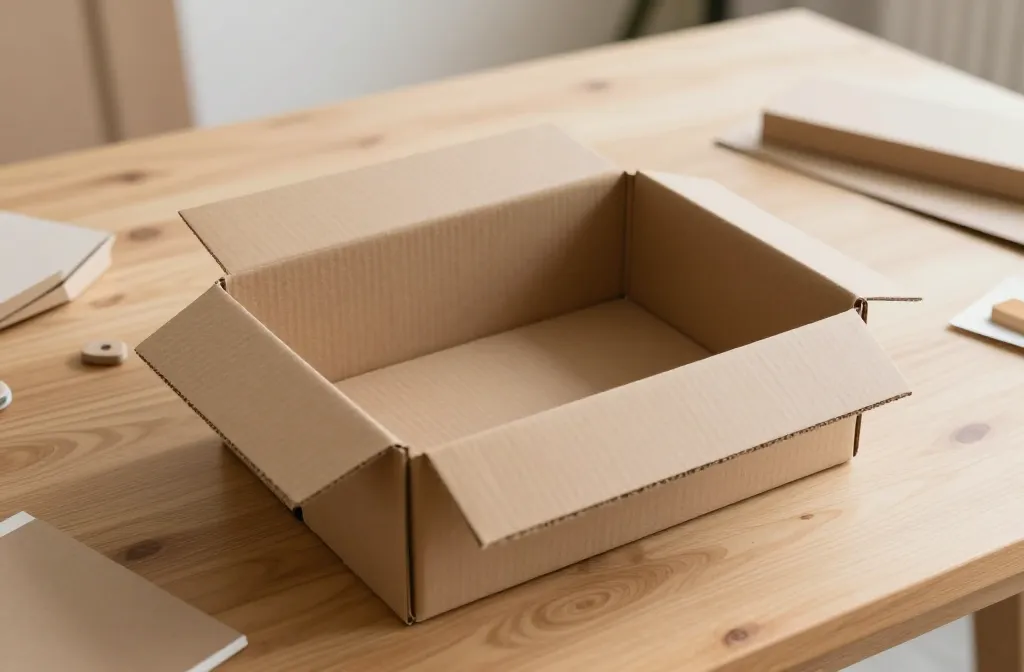
An exciting, legit guide for parents who want messy fun without the emergency room drama. If your toddler grabs a cardboard box and starts a full-on craft crusade, you’re not alone. Let’s break down safety, practicality, and a few smart hacks so creativity stays glorious and risky-free.
Why Cardboard Keeps Winning as a Craft Material
Cardboard is basically toddler glue and glitter made inexpensive. It’s sturdy enough for forts, yet light enough for snipping with kid scissors (under supervision, of course). It’s versatile, readily available, and surprisingly tactile—perfect for little hands that love to pinch, poke, and pull. FYI, cardboard also wipes down easily when a little paint adventure goes off the rails.
What Makes Cardboard Safe (and Not Safe) for Toddlers
Cardboard safety hinges on two things: clean material and age-appropriate projects. Here are the big ones to keep in mind.
- Cleanliness: Always start with unsoiled boxes from reliable sources. Avoid packing materials with unusual residues or odors.
- Supervision: Toddlers and sharp tools are a bad combo. Use blunt-tipped scissors, kid-friendly craft knives if needed, and a calm, steady vibe.
- Small parts: Skip tiny beads or buttons that could become choking hazards. Choose larger pieces that stay put or can be glued down securely.
- Adhesives: Water-based glues are kid-friendlier than strong solvents. For older kiddos, white school glue works; for little ones, use safe glue sticks or non-toxic paste.
- Paints and finishes: Opt for non-toxic, water-based paints. If you use spray paint, keep it away from tiny lungs and ensure good ventilation.
Seal the deal with safety tips
– Check boxes for staples or tape that could snag skin. Remove any rough edges with a file or sandpaper if you’re comfortable.
– Test a small patch of paint on cardboard first to confirm it doesn’t irritate sensitive skin.
– Keep a damp cloth handy to wipe hands and surfaces quickly.
Picking the Right Cardboard Projects for Toddlers
Not all cardboard crafts are equal. Let’s sort the gold from the junk.
Simple, Satisfying Starter Projects
– Build-a-Box Town: Cut large, flat pieces to create simple house shapes. Kids can decorate with stickers, markers, and safe glue.
– Texture Tiles: Cardboard cut into squares with holes punched for ribbon lacing. Great for fine motor skills and lots of color testing.
– Shape Stamps: Use corks or bottle caps dipped in paint to stamp shapes onto a bigger cardboard sheet.
Projects to Grow With
– Cardboard Creature Puppets: Cut openings for hands, let kids decorate with fabric scraps, yarn, and wiggle eyes.
– Mini Play Kitchen Accessories: Simple shelves, pretend food plates, and utensils—adhesive is key here so pieces stay put.
– Construction Playset: Interlocking shapes cut from multiple layers of cardboard let toddlers stack and balance.
Tools and Materials That Make Cardboard Crafts Safer and Fun
Having the right toolkit transforms chaos into charm.
- <strongToddler-friendly scissors with rounded tips
- <strongNon-toxic glue sticks or paste
- <strongWater-based paints in primary colors
- <strongWashable markers for quick cleanup
- <strongTape alternatives: painter’s tape or masking tape for smoother edges and less mess
Smart storage ideas
– Keep a dedicated craft tote with all essentials in one place.
– Reuse secret stash boxes to teach organization, not chaos.
– Label bins with pictures so your kid learns where things go.
Creativity Without Chaos: Keeping the Process Light
Craft time should feel like a chill hangout, not a stress test.
- Set a time limit: 20–30 minutes is plenty for toddlers.
- Lead with choices: Let them pick colors, shapes, or textures to empower ownership.
- Keep it messy, not dangerous: Use a dedicated craft mat and wear old clothes or an apron.
Handling Frustration
If your kid gets frustrated, pause and pivot. Offer a simple, ready-made base (a cardboard rectangle) and let them add features gradually. A quick win can turn a meltdown into a burst of pride.
Environmental and Health Considerations

Cardboard is eco-friendly by nature, but there are a few caveats to keep in mind.
- <strongRecycling: Most cardboard is recyclable. Break it down after projects, then rinse paint traces if possible.
- <strongInk and coatings: Some printed cardboard uses inks that aren’t ideal for gnawers. If you’re concerned, white or plain brown cardboard is the safest baseline.
- <strongAllergies: If your child has sensitivities, test paints on a small patch of skin first and skip scented markers.
Bringing It All Together: A Simple Cardboard Craft Routine
Want a repeatable rhythm that keeps things fresh? Try this easy routine.
- Materials Friday: Gather materials together so nothing interrupts the session.
- Idea Box: Keep a jar of quick ideas—punch shapes, paint textures, or add-on accessories.
- 60-Minute Friday: Split time into a 15-minute setup, 30-minute crafting, 15-minute cleanup and sharing.
FAQ
Is cardboard safe for toddlers to handle without supervision?
Supervision is a must with toddlers, especially when scissors, glue, and small pieces are involved. Use blunt scissors, teach safe handling, and stay within arm’s reach during the craft. It’s not about policing every move; it’s about safety first, fun always.
What paints are best for cardboard crafts?
Non-toxic, water-based paints work best. They’re easy to clean, dry relatively fast, and won’t leave harsh fumes. If you want a super quick setup, try markers or crayons for color without the drying time.
How can I keep cardboard from tearing during crafts?
Choose strong, corrugated cardboard for sturdier projects. Use tape or glue strategically to reinforce edges. For younger kids, glue on larger pieces rather than trying to snap and shape delicate bits.
What about cleaning up after craft time?
Keep wipes handy and designate a mini “cleanup station.” Encourage your toddler to help by placing scraps in a bin and wiping the table together. A little teamwork makes cleanup feel like part of the project.
Are there any alternatives to cardboard if I want a different texture?
Absolutely. Foam sheets, cork, and lightweight wood pieces can add variety. Just remember to adjust safety precautions: sharper edges, different paints, and potentially new ventilation needs.
Can cardboard crafts help with development milestones?
Yes! Building with cardboard boosts fine motor skills, hand-eye coordination, and problem-solving. It also nurtures creativity and language as you narrate your project and ask open-ended questions.
Conclusion
Cardboard crafts are a goldmine for toddler creativity—cheap, adaptable, and surprisingly sturdy when you play it smart. With the right materials, supervision, and a handful of project ideas, you can turn a plain box into a world of pretend play, fine-motor practice, and giggles. So, grab a box, grab a friend, and start crafting—your kid’s next masterpiece is waiting inside that cardboard.