
How to Ship Handmade Items If You Sell Online

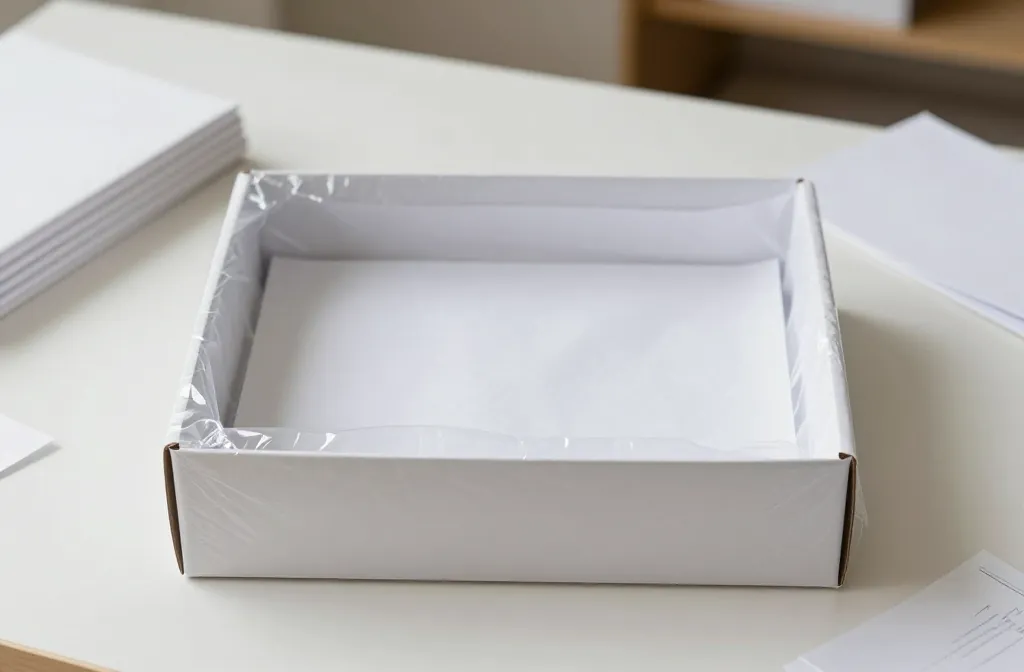
An early-morning packaging obsession just got real. If you sell handmade goodies, shipping is your backstage pass to happy customers and repeat orders. Let’s cut the drama, pin down the process, and ship like a pro without breaking your budget.
1) Nail Down Your Packaging DNA
What do you ship, and how do you want it to feel when the recipient opens the box? Your packaging is part branding, part protection, and all about the unboxing moment. Start by listing your core packaging choices and why they matter.
- Materials: sturdy boxes vs. padded mailers, tissue paper, and a sticker or stamp that screams your vibe.
- Branding: consistent colors, logo placement, and a friendly note that says, “Thanks for supporting handmade.”
- Protection: cushioning that actually protects your item (think bubble wrap, air pillows, or crinkle paper).
Subsection: Eco-friendly touchpoints
FYI, sustainable packaging isn’t just nice to have—it builds trust. Use recyclable materials, minimize plastic, and mention your green choices in product notes. Your customers will notice.
2) Pricing Your Shipping Like a Pro
Shipping can make or break a sale. Get smart about rates, packaging weight, and which service fits your product line.
- Know your weight: weigh the item with its protective packaging.
- Choose a carrier strategy: USPS for budget, UPS/FedEx for speed or heavier parcels, and regional carriers for specialty routes.
- Offer options: free shipping above a threshold, flat-rate, or calculated at checkout. Your margins will thank you.
Subsection: Print-on-the-spot labels or batch printing
If you ship often, invest in a label printer. It speeds things up and looks pro. Otherwise, batch-print labels in one go to stay efficient.
3) Create a Simple, Foolproof Packing Process
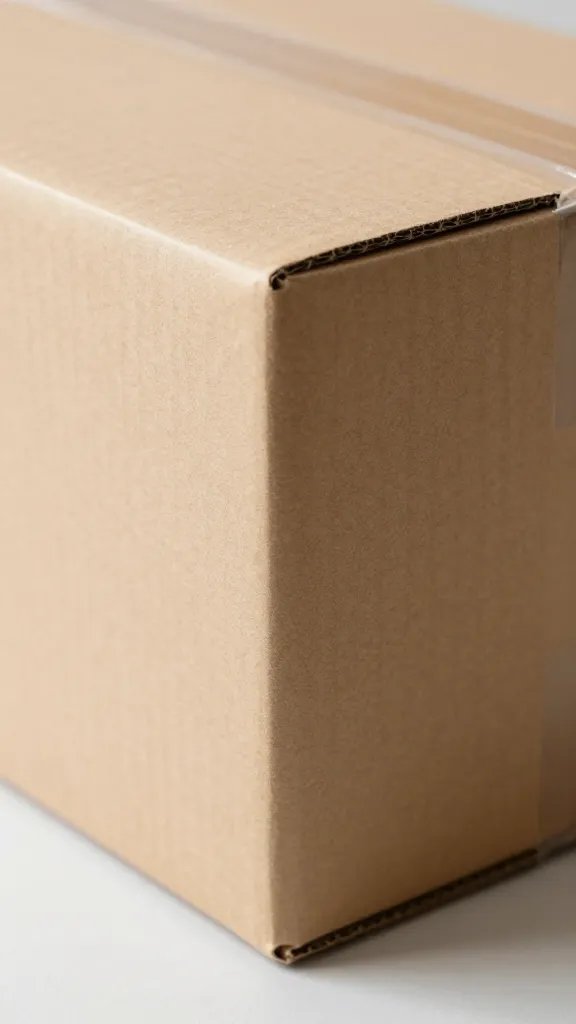
A messy packing line slows you down and invites errors. Map a clear, repeatable flow.
- Item prep: wrap the handmade piece securely, check for loose parts, and inspect for any flaws before packing.
- Boxing step: choose the right box size, add padding, and seal with strong tape.
- Documentation: include a packing slip, care instructions, and a thank-you note.
Subsection: Checklists save the day
Keep a one-page packing checklist at your workstation. It reduces mistakes and makes training new team members (if you grow) a breeze.
4) The Unboxing Experience: First Impressions Matter
Unboxing is your chance to deliver delight. Think of every detail as a tiny billboard for your brand.
- Greeting card: a short thank-you note with a personal touch goes a long way.
- Branding elements: logo on the tissue, a sticker seal, or a custom thank-you label.
- Care and return info: include a quick care card and how to reach you if there’s an issue.
Subsection: Personal touches that scale
Add a small freebie or a handwritten note if you can. It’s the kind of thing people remember and share online, which brings in new customers.
5) Handling International Shipments (If You Do It)
International shipping adds excitement—and a few extra caveats. Plan for duties, taxes, and longer transit times.
- Catalog every item’s HS code and accurate description for customs forms.
- Clarify shipping timelines: faster shipping may cost more, but customers appreciate options.
- Document protection: consider insurance or tracking that works across borders.
Subsection: No-surprises duties
Be transparent about who pays duties and taxes. Clear labeling reduces post-sale drama and negative reviews.
6) How to Handle Returns Without Losing Sleep

Returns are inevitable in handmade goods. A friendly, fair policy keeps customers happy and protects your margins.
- Clear policy: time window, condition requirements, and whether you cover return shipping.
- Process flow: issue a label, track the return, and inspect before restocking.
- Communication: respond quickly and calmly if a customer is unhappy.
Subsection: Turn returns into goodwill
Offer exchanges or credits when possible. A smoother return process can turn a potentially negative experience into a loyal customer.
7) Shipping Costs and Communication: The Night and Day Duo
Transparent, proactive communication is your best friend. People want to know when their treasure ships and when it arrives.
- Tracking: always provide a tracking number and estimated delivery date.
- Notification cadence: confirm shipment, mid-transit update if you have one, and delivery confirmation.
- Delays: be upfront about potential delays and offer solutions or alternatives.
Subsection: Automation helps without feeling robotic
Set up automated order confirmations and shipping updates. It saves you time and keeps customers in the loop.
8) Tools and Resources That Save Time
You don’t need to reinvent the wheel. Lean on tools that streamline fulfillment.
- Shipping platforms: integrate your shop with USPS, ShipStation, or Shippo for discounted rates and easy label printing.
- Inventory and orders: stock alerts, automated order routing, and packaging supplies tracking.
- Templates: keep ready-to-send packing slips, care cards, and thank-you notes.
Subsection: The budget-minded setup
Start with the essentials—printer, scale, and a few box sizes. As you grow, layer in premium packaging or an upgraded labeling workflow.
FAQ
Do I need to offer free shipping, and how does it affect margins?
Free shipping can increase conversions, but it isn’t free for you. Build it into product pricing or set a threshold free-shipping policy. Track whether it boosts orders enough to justify the cost.
What’s the best way to protect fragile handmade items during transit?
Use sturdy boxes, double-wan cushioning, and appropriate fillers. For extra protection, consider double-boxing for exceptionally delicate items or using rigid mailers with internal padding.
How can I minimize international shipping headaches?
Provide clear customs details, use tracked services, and offer a few affordable international options. Being transparent about transit times helps manage expectations and reduce inquiries.
How do I scale my packaging as orders grow?
Invest in a scalable packaging station: a dedicated workspace, a labeling printer, a reliable scale, and a small inventory of standard box sizes. Create repeatable processes and templates to keep things moving smoothly.
What should I put in a wow-worthy thank-you note?
Say thanks, share a quick story about your craft, invite feedback, and remind customers you’re on social media. A personal touch beats a generic message every time.
Conclusion
Shipping handmade items online isn’t just about getting a box from you to them—it’s about delivering a little moment of joy. With a clear packaging identity, smart pricing, and a repeatable process, you keep happy customers coming back for more. FYI, a bit of extra effort in the unboxing department pays off in reviews, referrals, and a calmer mind for you. Ready to ship with confidence? Let’s make every package feel like a celebration of handmade goodness.