
Why Your Child Refuses to Craft and What Actually Helps

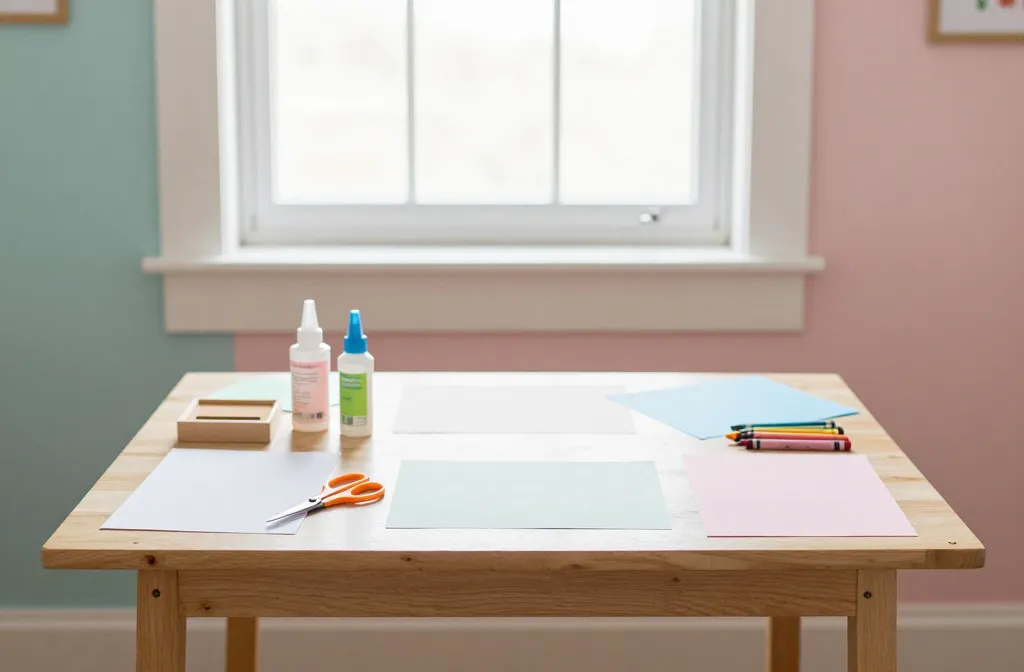
An engaging, practical guide for parents who’ve watched glitter glue become a battlefield. If your kid acts like crafting is a villain in a kids’ show, you’re not alone. Let’s unpack why this happens and, more importantly, what actually nudges little hands back to the art table.
What’s Really Going On When Your Kid Refuses to Craft
Craft aversion isn’t rebellion; it’s a mix of feelings, skills, and preferences. Sometimes they’re overwhelmed by tiny supplies, other times they’re just not into the project you picked. The key is meeting them where they are, not forcing the glitter.
- Overwhelm: Too many steps can derail anyone.
- Confidence gaps: A daunting project kills motivation fast.
- Interest mismatch: If the project isn’t their jam, it’s not fun.
- Skill mismatch: Fine motor tasks might feel frustrating rather than joyful.
Make It About Choice, Not Compliance
Imposing a craft plan can feel like a boss battle. Offer options, not mandates. When kids feel ownership, they light up.
- Two or three project choices
- Let them pick the materials
- Set a loose time limit so it doesn’t linger into a dreaded chore
Adjust the Setup: Space, Tools, and Time

The right environment matters as much as the right idea. A messy space steals focus; a calm, inviting nook invites sparkly inspiration.
What to tweak for better vibes
- Clean but not sterile: A little mess signals creativity
- Accessible tools: Child-safe scissors, wide-tipped markers, glue sticks
- Short bursts: 15–20 minutes of crafting, followed by a break
Find Projects That Align With Their World
If your kid loves dinos, go with dinosaur puppets. If they’re obsessed with space, rockets out of paper and glitter can be magical. The goal is relevance, not perfection.
Project ideas that usually win hearts
- Personalized bookmarks for readers
- Photo collages with simple frames
- Seasonal decorations they can keep or give as gifts
- DIY card-making for family members
Turn Craft Time Into Playtime, Not Homework
Mood matters. If crafting feels like a chore, you’ll lose the spark fast. Make it playful, not perfunctory.
- Soundtrack: a fun playlist, no pressure to finish
- Role play: pretend you’re art museum curators or designers
- Mini-challenges: race to complete a tiny project, with goofy rewards
Keeping the pressure off
- Avoid “must finish” language
- Celebrate attempts, not just outcomes
- Limit critique to one constructive tip
Embrace the Process Over the Product
Crucial shift: celebrate the journey, not the finished piece. When kids feel safe to experiment, they’re more likely to return to the craft table.
What to praise instead of the end result
- Trying something new
- Balancing patience and messy magic
- Creative thinking during the process
Incorporate Tech-Savvy Tweaks Without Dimming Creativity
Tech can be a crafty ally or a distraction. Used thoughtfully, it can bridge interest gaps.
- Video tutorials for beginners
- Digital templates they can print and customize
- Augmented reality art ideas that merge screen time with hands-on crafting
Structured Freedom: A Simple Routine That Works
Consistency helps, but it should feel optional. A tiny routine sets expectations without strangling creativity.
- Weekly 15-minute craft window
- Rotate themes to keep things fresh
- Respect their pacing—don’t rush a masterpiece into existence
Deeper Dive: Navigating Frustration Without Sparks Flying
Craft time can trigger frustration in a snap. Here’s how to cool the room instead of the mood.
When frustration flares
- Acknowledge feelings: “I see you’re stuck.”
- Pause with a reset: a quick stretch or snack break
- Switch gears temporarily to avoid meltdowns
Redirection strategies that actually help
- Offer a “back-pocket” alternative project
- Grab a helper item: a simple tracing sheet or stencil
- Turn it into a collaborative piece—two heads, fewer tantrums
FAQ: Quick Answers From Real-Life Parenting
Why does my child resist even simple crafts?
Overwhelm, lack of confidence, or disinterest can all show up as resistance. Start small, offer options, and celebrate tiny wins to rebuild momentum. IMO, tiny steps beat giant, forced projects every time.
What if my child only wants to use a screen during craft time?
Blend screen time with craft by using digital templates, interactive tutorials, or AR drawing apps that lead to a physical product. FYI, tech can be a bridge, not a barrier, when used thoughtfully.
How can I encourage without turning it into a battle?
Lead with choice, keep it short, and soften the language. Quiet encouragement beats loud pressure. Ask, “Do you want to try this one or this?” and step back if they’re not into it.
What are easy project ideas for beginners?
Low-stress options like personalized bookmarks, simple collages, cardboard robot sculptures, or paper masks are great starters. Focus on the process, not perfection.
How do I handle a craftsday that spirals into chaos?
Set a timer, designate a cleanup buddy, and have a “cool-down” option ready. A predictable routine helps kids feel safe and less likely to derail the session with frustration.
Conclusion: Craft Time That Feels Like Play, Not Pressure
Crafting with kids should feel joyful, not punitive. When you swap rigidity for choice, set up a friendly space, and honor their interests, you’ll see curiosity return to the table. FYI, progress isn’t always visible in a perfect finished project; it’s the spark in their eyes and the stories they tell about what they made. So keep it light, keep it flexible, and celebrate the messy, brilliant process as much as the product.